

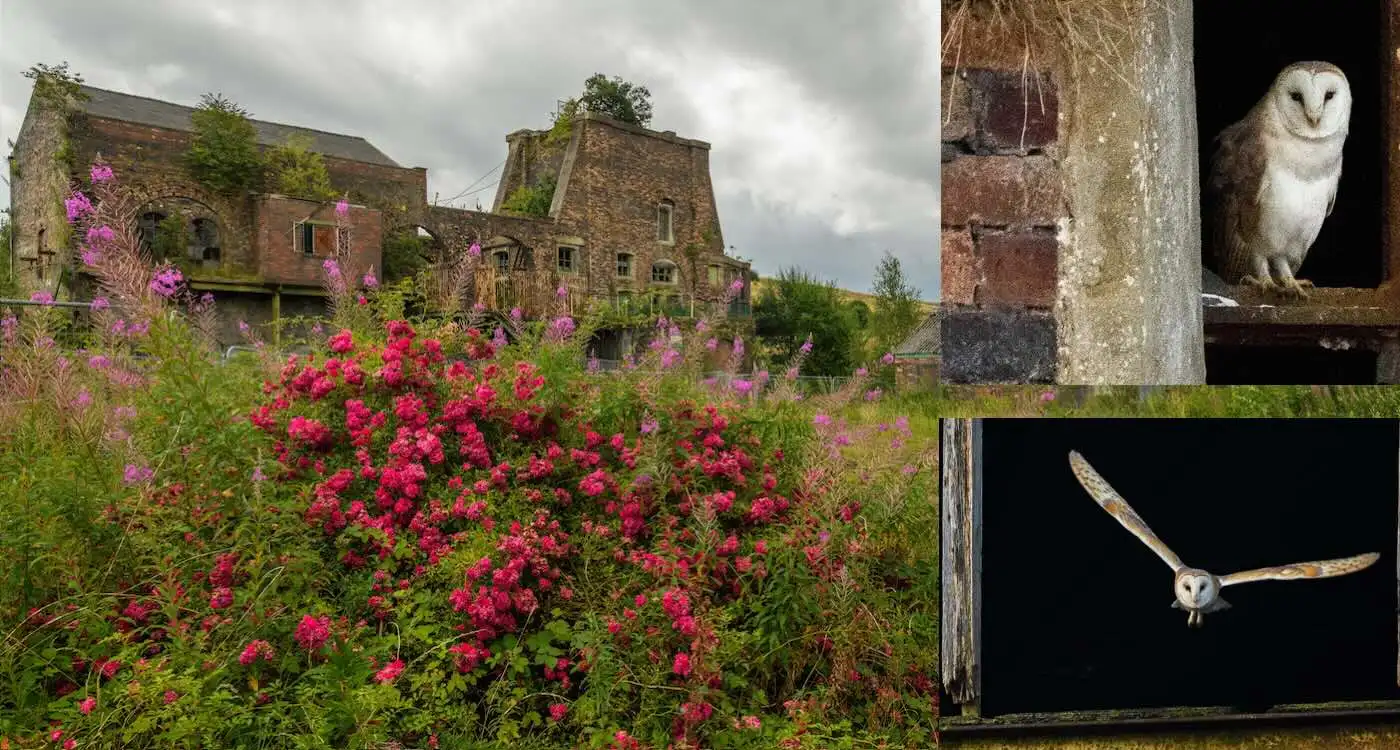
New photos show how wildlife is slowly reclaiming an abandoned coal mine in Staffordshire, England, nearly 50 years after the site stopped producing coal.
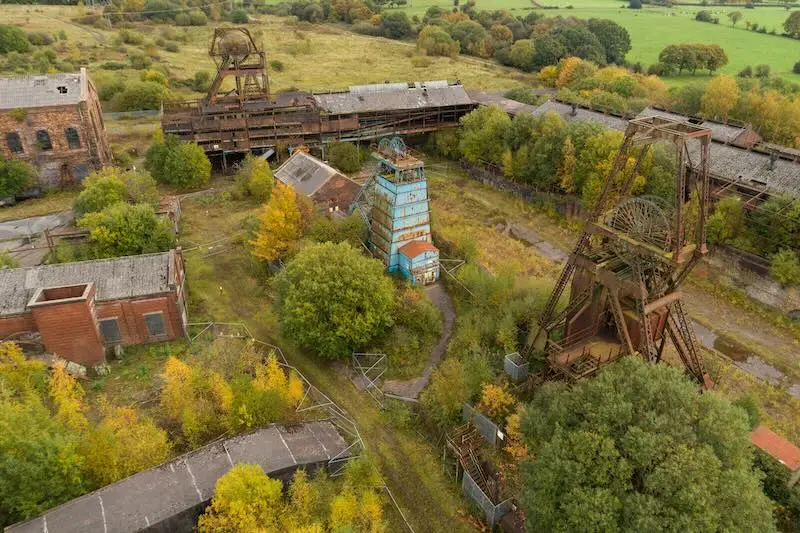
Chatterley Whitfield mine last produced coal in 1976 and officially closed the following year. The site later became a mining museum, but that too closed in 1993. Since then, the old industrial buildings, towers and pit head wheels have remained standing as reminders of the area’s mining past.
Now, nature is moving back in.
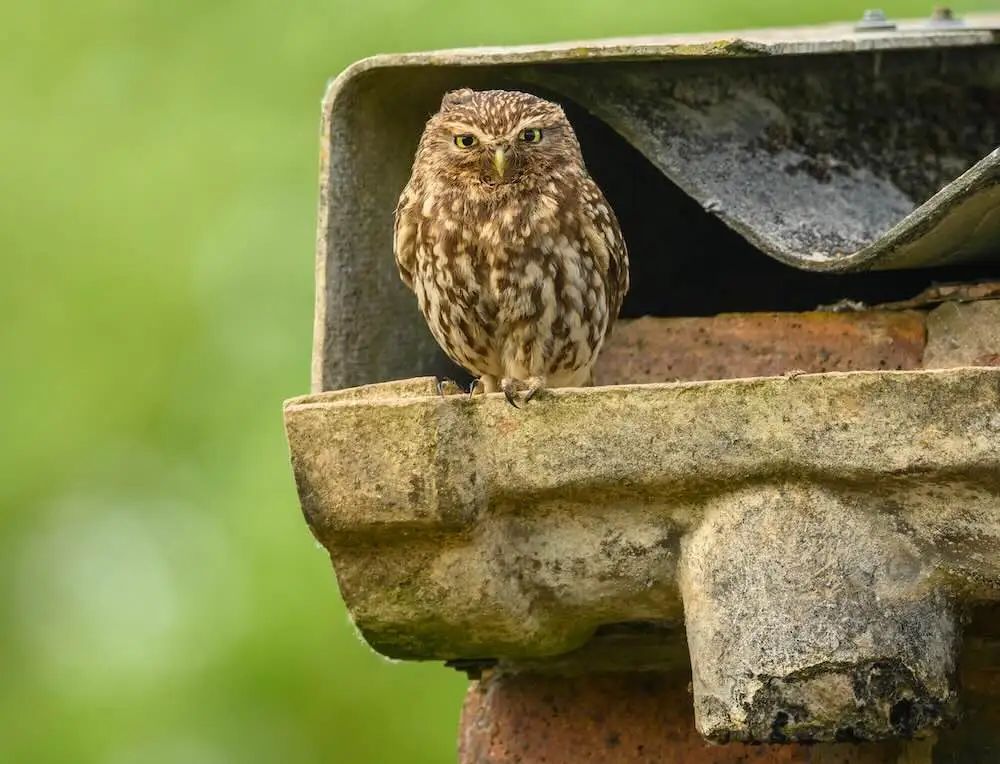
Photographer Andrew Mason, whose father, John, worked at the mine in the 1960s, recently returned to the site to document the change. What he found was a striking mix of industrial history and wildlife.
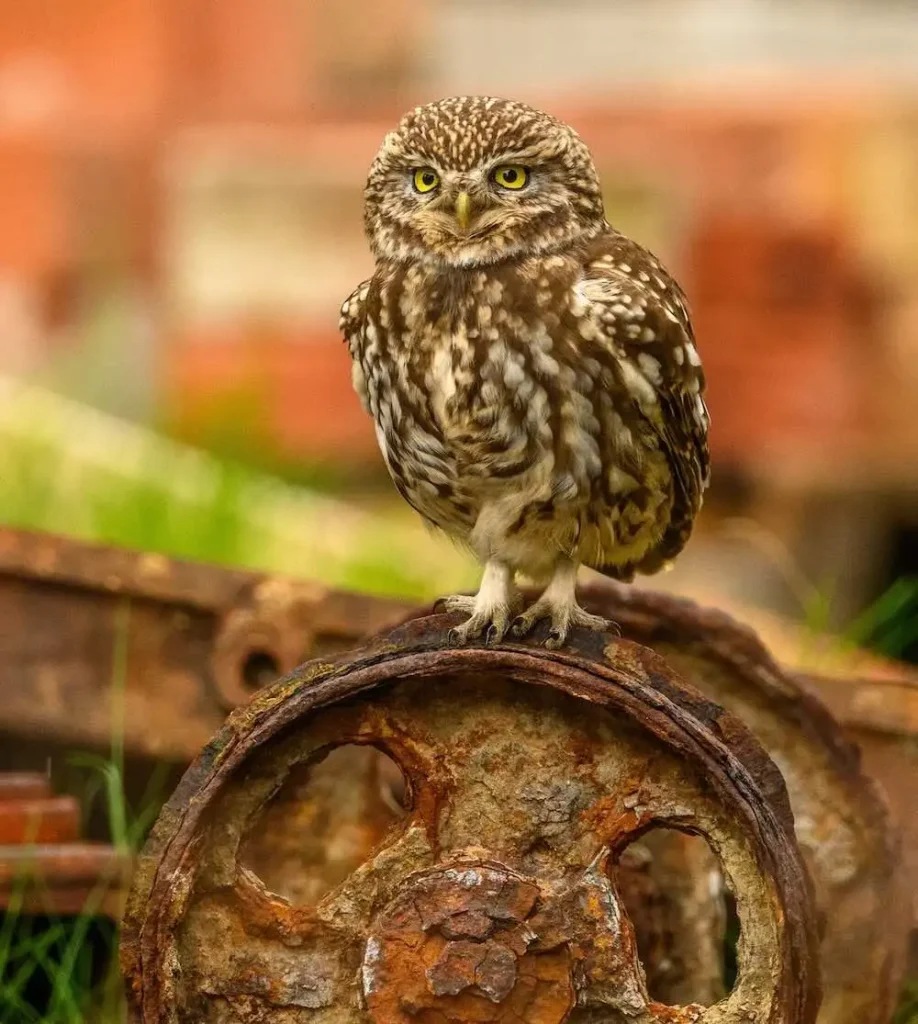
With permission from Stoke-on-Trent City Council, Mason set up a blind inside the former colliery so he could quietly observe the animals living there. His photos show barn owls and short-eared owls using the abandoned buildings as shelter and lookout points.
The tall structures that once helped lower miners underground now provide ideal places for owls to watch for prey. In one dramatic image, a barn owl flies past the rusting mine towers, creating a haunting contrast between the white bird and the old industrial backdrop.
Mason described the site as a living example of rewilding. Wildflowers are growing among the ruins, and he even spotted wild strawberries sprouting from old coal slag heaps.
The photographer also hopes to install trail cameras soon to capture other animals believed to live there, including badgers and foxes.
Chatterley Whitfield was once the largest coal mine in the area and the first in the UK to produce one million tons of coal in a year. Today, it is known not only for its mining history, but also for the wildlife slowly taking over its abandoned spaces.
For Mason, the scene is both strange and beautiful: a place once defined by industry now becoming a quiet refuge for owls, flowers and other wild creatures.