

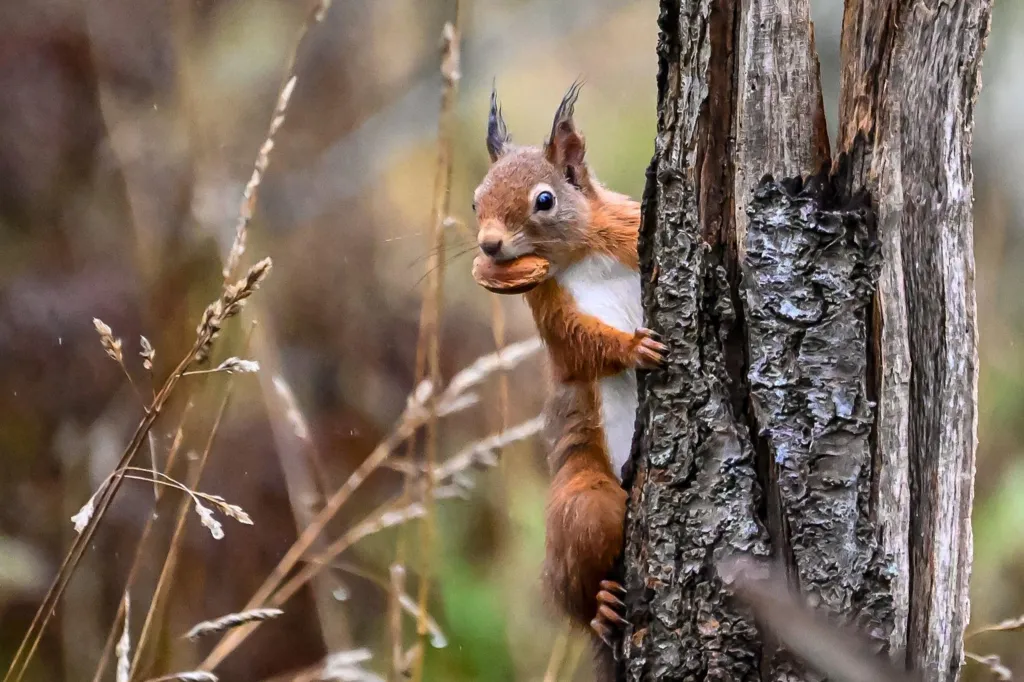
In 2009, spotting a red squirrel in Aberdeen was rare. Grey squirrels, an invasive species, dominated the city’s parks and woodlands instead.
Today, that situation has dramatically changed.
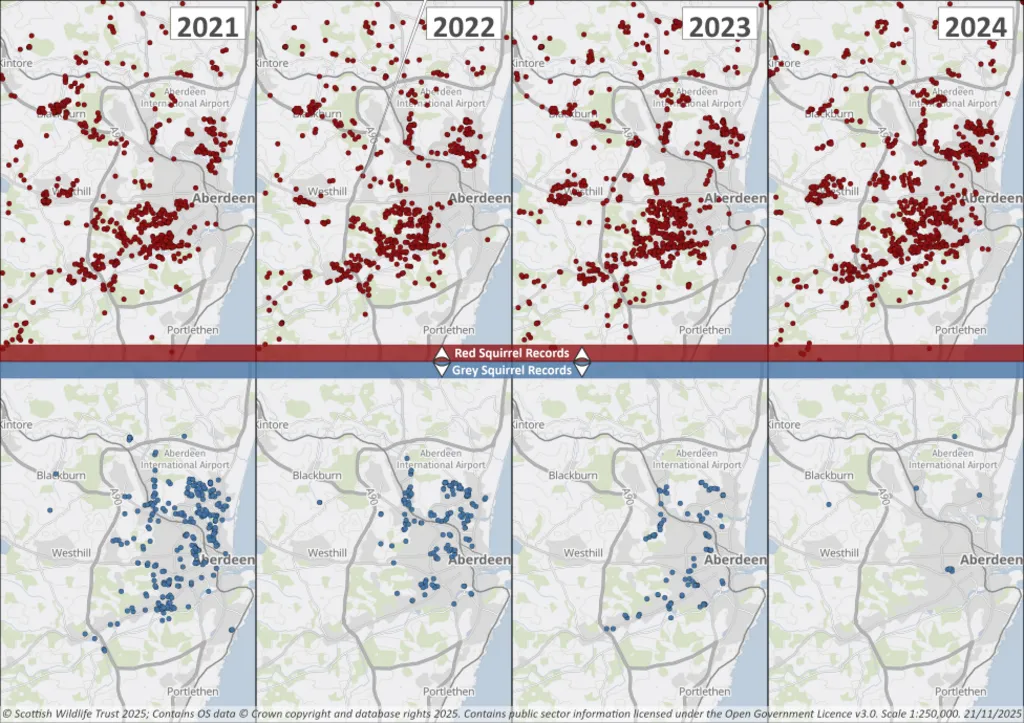
Thanks to years of work by local volunteers and conservation teams, red squirrels are now thriving in the city, while grey squirrels have nearly disappeared.
The success is largely credited to Saving Scotland’s Red Squirrels (SSRS), a long-running conservation partnership led by the Scottish Wildlife Trust. For the past 16 years, the project has focused on protecting native red squirrels and controlling the spread of grey squirrels.
Naomi Bentley, a former primary school teacher who now works as SSRS’s community and outreach officer in the northeast, said more than 30 volunteers are actively helping collect data across Aberdeen. These volunteers range from schoolchildren to retirees.
“We’re very close to fully removing the grey squirrels from the city,” Bentley said. “I think we’re down to just the last few. Meanwhile, the reds are doing really well.”
She credits the program’s success to public involvement.
“It’s all down to people’s love of nature and citizen science,” she said.

Grey squirrels, originally brought from North America, are larger and more competitive than red squirrels. They steal food, take over nesting areas, and often carry a virus known as squirrel pox, which is deadly to red squirrels but harmless to greys. They also damage woodland by stripping bark from trees.
As red squirrel numbers dropped in Aberdeen, conservationists feared they could vanish completely from the area.
When the project began in 2009, it took two full years before the first red squirrel was officially recorded again inside the city — showing just how scarce they had become.

Specialist SSRS staff have used live trapping and humane control methods to reduce grey squirrel numbers. This gave red squirrels the space and resources they needed to recover.
Experts now believe that without this work, red squirrels might have disappeared entirely from the city and surrounding areas.
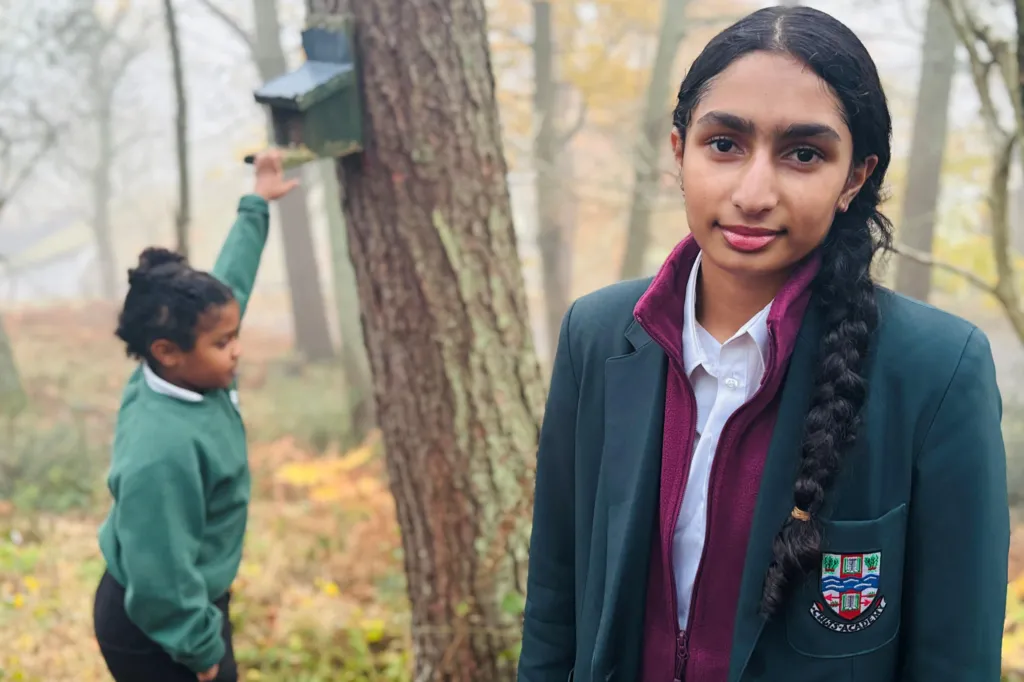
To monitor populations, volunteers place feeder boxes in woodland areas. These boxes contain sticky pads that collect small hair samples when squirrels enter. By analysing the hair, researchers can tell whether red or grey squirrels are present.
BBC Scotland News data shows that from July 1 to September 30, there were no confirmed grey squirrel samples found in Aberdeen’s monitoring boxes. The most recent quarter has shown the same result, with only a few grey squirrel sightings recorded.
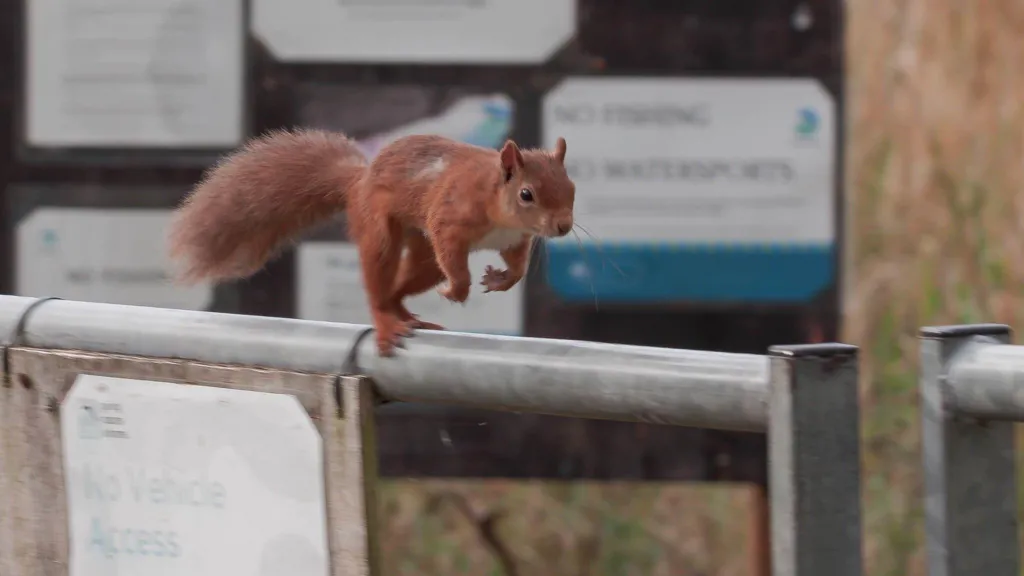
Today, red squirrels are being seen again close to major roads and urban areas — a clear sign that this conservation effort is working.