

A long-awaited law designed to stop the illegal smuggling of puppies and kittens into Britain has finally passed through Parliament, after two earlier attempts failed.
Animal welfare groups have welcomed the new legislation as a major step forward — though some experts worry about possible unintended side effects.
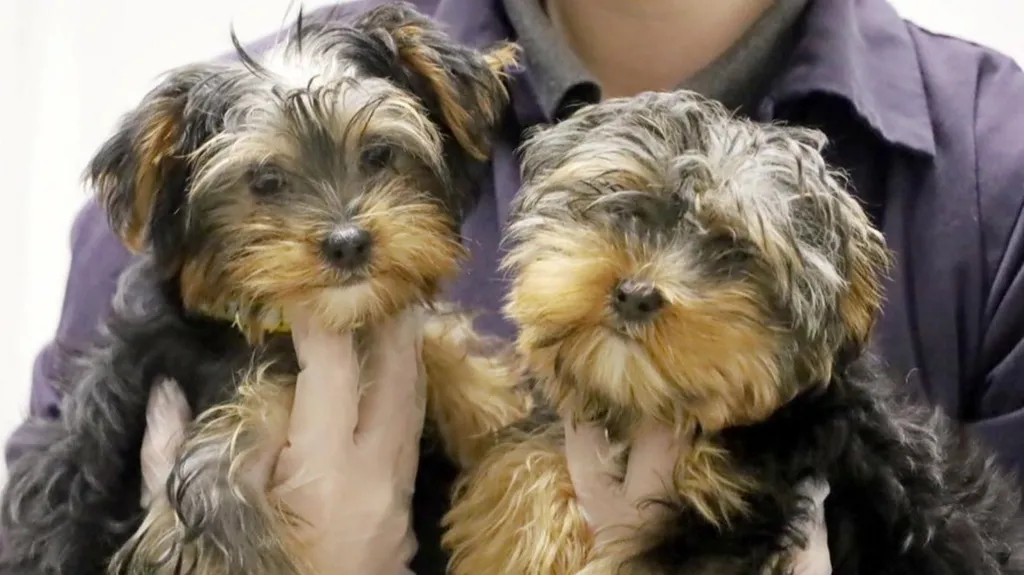
In September 2025, two Yorkshire terrier puppies were intercepted at the Port of Dover. Only seven weeks old, they had spent more than a day confined in a box in the back of a car travelling from Slovakia, with little food or water. Dogs Trust rescued the pair and named them Pip and Squeak.
“They were very withdrawn and unsure of everything,” said Katie Bryan, a rehoming coordinator at Dogs Trust. “Being separated from their mother too early left them struggling to interact normally with people or their surroundings.”
Authorities have been promising tougher action against illegal pet imports since Brexit allowed the UK to change its own import rules. In 2023 alone, more than 100 underage puppies and kittens were seized at Dover.
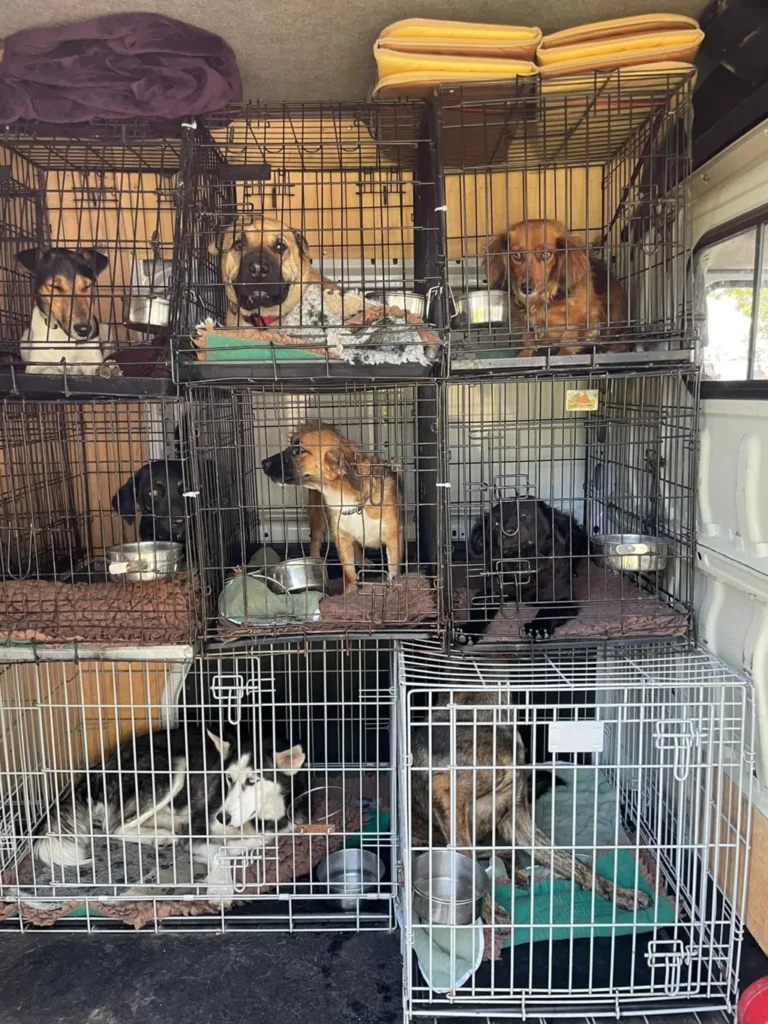
Smugglers often use false paperwork, fake microchips or claim the animals are personal pets. Matt Henning, from the Animal and Plant Health Agency (APHA), said many animals arrive in unsafe, crowded conditions inside cars and vans.
Some smuggled animals are so unwell that they cannot be saved. There are also serious health risks, as many haven’t been tested for diseases like rabies or brucellosis.
Under the new law, the minimum age for importing puppies and kittens into Great Britain will rise to six months. Officials believe this will make it easier to spot underaged animals and reduce demand, since older animals are less attractive to smugglers focused on quick sales.
The law also bans the import of dogs with cropped ears or docked tails — procedures that are already illegal in the UK. MP Danny Chambers, a former vet, warned that such practices can cause infections, long-term stress, and behavioral problems because dogs rely heavily on ears and tails for communication.
However, not everyone agrees with the changes.
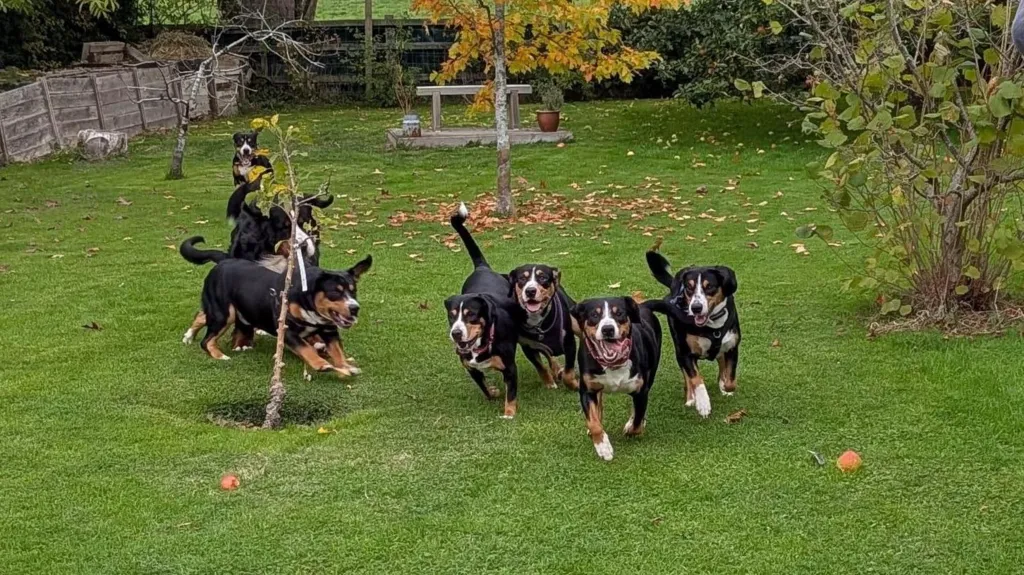
Some specialist breeders, like those working with rare dogs such as the Entlebucher Mountain Dog, worry that strict age limits could reduce genetic diversity. They argue that importing older puppies is more expensive and impractical, and they are lobbying for limited exemptions.
Rescue groups have raised similar concerns. Linda Demetriou of Stronger Together Animal Rescue fears animals already harmed abroad could be left without homes if they can no longer be brought to the UK.
Animal welfare charities strongly oppose exemptions. The RSPCA’s David Bowles said smugglers often lie about where cropped dogs come from, and tighter import rules will make enforcement easier.
The government is now working with Scotland and Wales to finalize the additional regulations needed before the law officially comes into force.
As for Pip and Squeak, their story ended happily. They were rehomed, renamed Elsa and Skye, and are now settling into their new lives.