

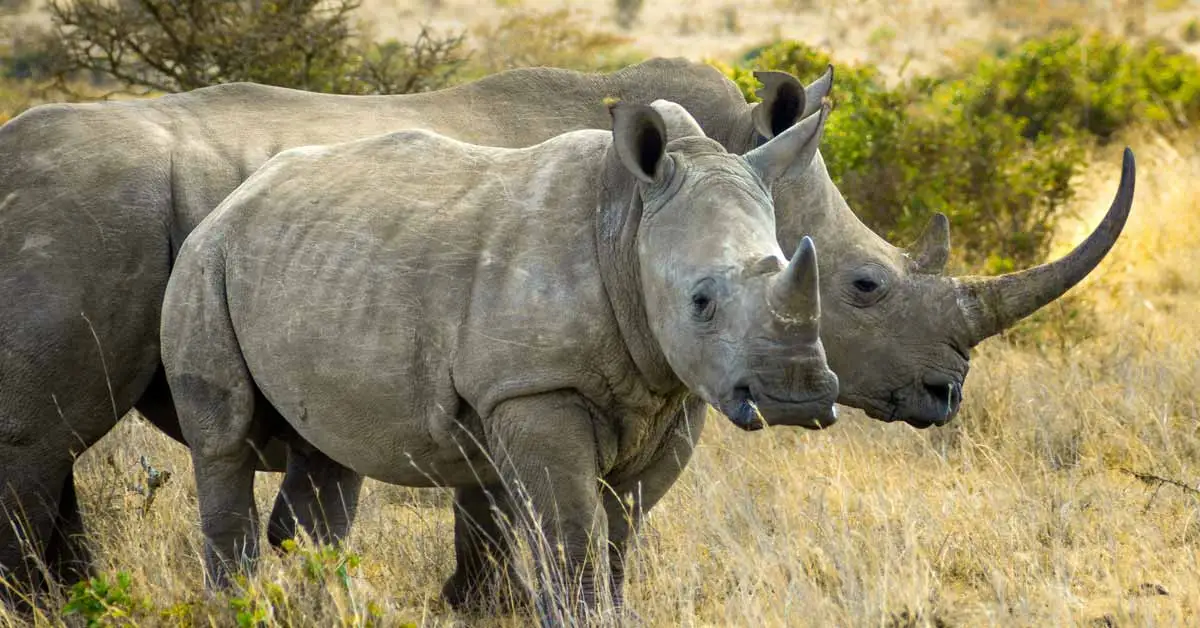
In late 2025, Interpol led a sweeping enforcement operation across 134 countries. Authorities seized roughly 30,000 live animals, confiscated illegal timber and plant products, and identified approximately 1,100 suspected wildlife traffickers for national investigation.
The scale of the operation underscores the enormous size of the global wildlife trafficking trade — one of the most profitable illicit industries in the world.
A Multibillion-Dollar Black Market
Wildlife trafficking generates an estimated US$7 billion to $23 billion annually, according to international environmental funding bodies.
The trade includes a wide range of items: live animals, plant powders and oils, ivory carvings, timber, exotic pets, and even musical instruments made from protected species.
Despite the scale of this activity, enforcement remains challenging. Fewer than one in ten international cargo shipments undergo physical inspection. Meanwhile, traffickers constantly adapt, using vague species names, coded online language, shipment rerouting, and new messaging platforms to evade detection.
From Reactive Enforcement to Digital Strategy
Traditionally, authorities have responded only after illegal goods surfaced. However, emerging digital tools now allow agencies to detect suspicious activity earlier and act more strategically.
These technologies connect online monitoring, legal databases, shipping analysis, and field investigations — creating a more coordinated system of enforcement.
Many of these advancements operate under the framework of the Convention on International Trade in Endangered Species of Wild Fauna and Flora (CITES), the primary international treaty regulating wildlife trade. National customs and wildlife agencies enforce its provisions.
AI and Digital Tools Transforming Inspections
One of the biggest challenges in combating wildlife trafficking lies in knowing where to look — and accurately identifying what authorities find.
Smarter Cargo Screening
Advanced X-ray scanners designed specifically for cargo now assist inspectors at ports and mail centers.
Unlike traditional screening systems, these tools use software that flags unusual shapes or materials within packages. Although the system does not identify species, it highlights anomalies, allowing officers to prioritize inspections more effectively.
Trials at major international ports have already uncovered concealed wildlife shipments using this approach.
AI-Assisted Species Identification
When authorities intercept suspicious items, correctly identifying the species becomes critical — especially when legal protections differ between closely related animals.
Artificial intelligence systems trained on technical wildlife documentation now assist inspectors. Using conversational, chatbot-style interfaces, officers can describe a specimen and receive guidance based on detailed species records.
For example, some parrot species receive strict trade restrictions, while visually similar species face less stringent regulations. AI-assisted identification helps officers distinguish between them quickly and accurately.
Portable DNA Testing
Enforcement increasingly happens in the field, not just in laboratories.
Handheld DNA kits now allow officers to test samples on-site in about 20 to 30 minutes. The devices operate similarly to rapid medical tests, displaying color changes when DNA from protected species appears in a sample.
This capability allows authorities to confirm species identity immediately, speeding up legal action and reducing reliance on distant laboratories.
Identifying Illegal Timber
Wildlife crime extends beyond animals to forests.
Handheld scanners can now analyze the internal cellular structure of wood to determine species type. This technology helps inspectors distinguish protected hardwoods from legal alternatives in regions where illegal logging remains widespread, including parts of South America, Southeast Asia, and Africa.
Detecting Trafficking Before It Reaches the Border
Technology also enables earlier intervention — even before goods cross national boundaries.
Monitoring Online Marketplaces

A growing share of wildlife trafficking now occurs online.
To avoid detection, sellers use coded language, omit species names, rely on emojis, or post images with minimal descriptions. In response, conservation groups collaborate with technology companies to scan listings using artificial intelligence and content moderation tools.
Between 2018 and 2023, major platforms removed or blocked more than 23 million listings and accounts linked to protected species.
Spotting Red Flags in Shipping Documents
Shipping paperwork often contains early warning signs.
New software analyzes millions of manifests and permits to detect unusual patterns. These include unexpected species on specific routes, underpriced or overweight shipments, and complex routing through multiple transit countries.
Rather than inspecting cargo at random, agencies can now focus on shipments most likely to contain illegal goods.
Navigating Complex Legal Frameworks
Wildlife trade laws vary across exporting, transit, and importing countries. As a result, enforcement officers must interpret overlapping regulations quickly.
Digital platforms now compile laws from multiple jurisdictions, helping officials determine which protections apply and ensuring consistent enforcement across borders.
Identifying Future At-Risk Species
Researchers are also using trade records to predict which species may become future trafficking targets.
By analyzing global trade patterns, scientists can identify vulnerable animals before exploitation escalates — allowing policymakers to strengthen protections proactively.
Technology as a Force Multiplier

These tools do not replace human expertise. Instead, they strengthen it.
Inspectors, scientists, and enforcement officers still rely on training, experience, and international cooperation. However, digital systems now help them prioritize inspections, verify species identities, analyze trade patterns, and share intelligence more efficiently.
No single technology will eliminate wildlife trafficking. Nevertheless, these innovations signal a crucial shift — from reactive enforcement toward proactive, coordinated action.
As criminal networks adapt and evolve, authorities now possess stronger tools to keep pace.