

Against all odds, he’s thriving.
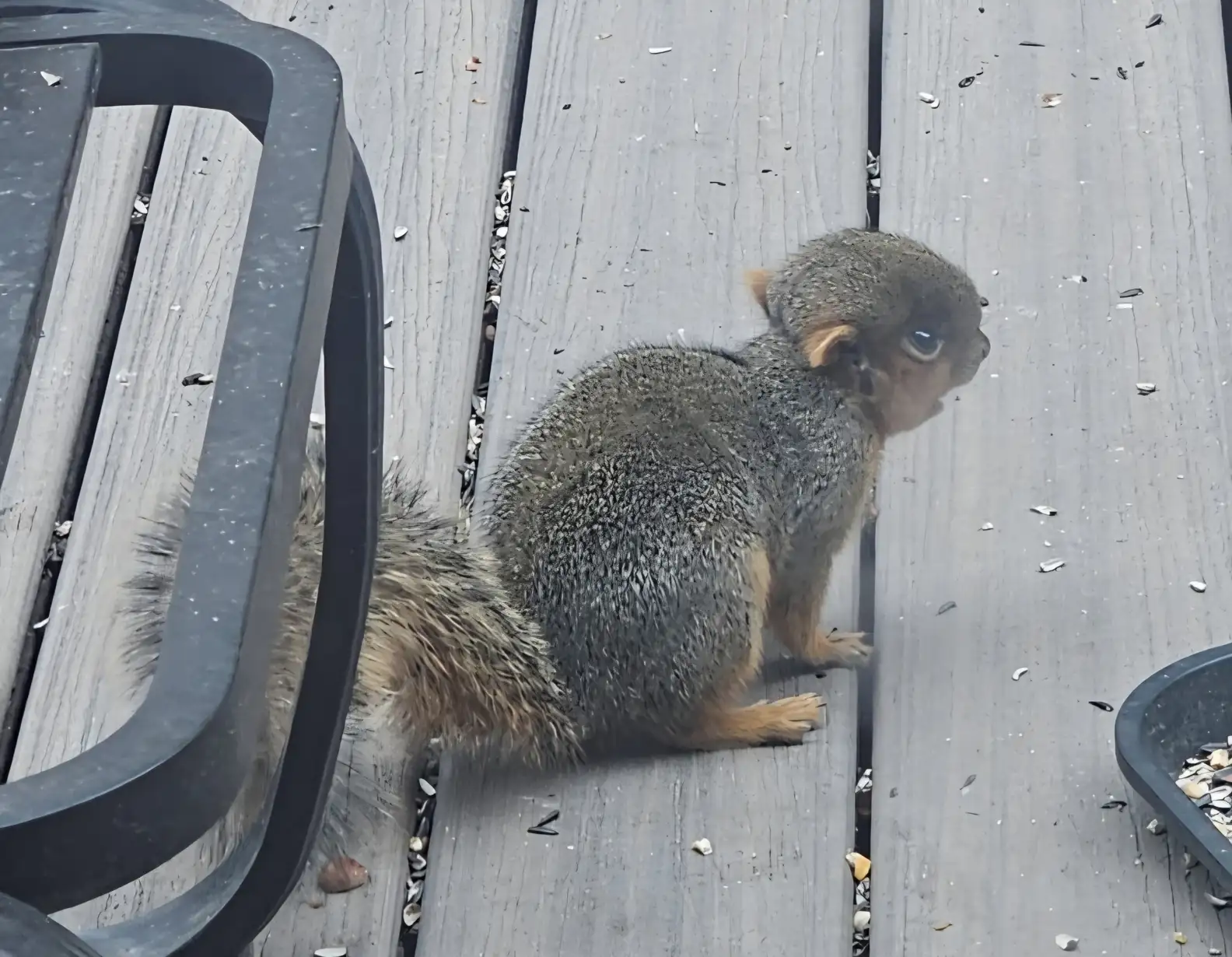
In a backyard in Boise, a woman noticed something unsettling. A group of squirrels repeatedly chased away one much smaller squirrel, blocking him from reaching food.
At first, the behavior seemed like simple dominance. However, when she looked closer, something else stood out. The tiny squirrel’s head appeared unusually large, almost swollen compared to his small body.
Concerned, she asked around for help and was soon referred to Tye Lombardi, a locally permitted squirrel rescuer.
A Troubling First Impression
As soon as Lombardi saw the photos, he recognized the signs.
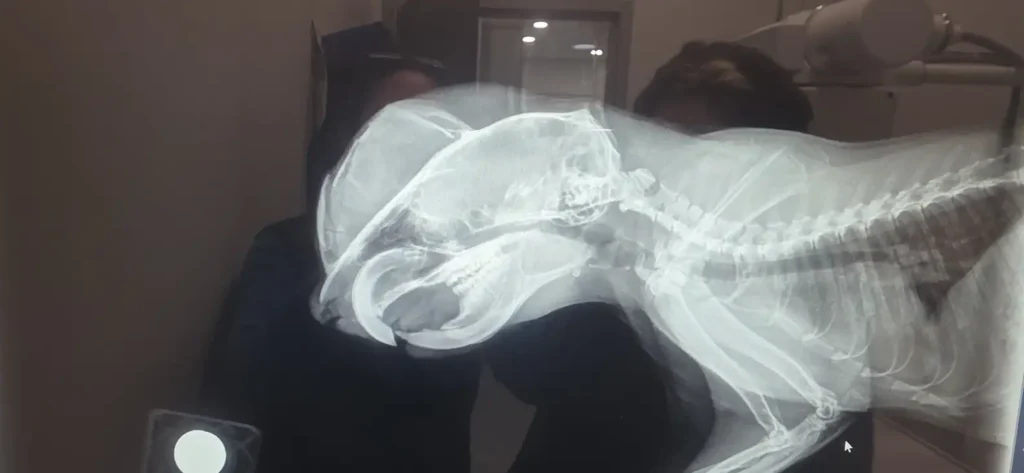
The shape and swelling of the squirrel’s head strongly suggested fluid buildup putting pressure on his brain. After observing the squirrel for two days, Lombardi safely trapped him to assess the situation up close.
With decades of experience in animal care, Lombardi immediately understood the seriousness of the case.
A Surprising Discovery
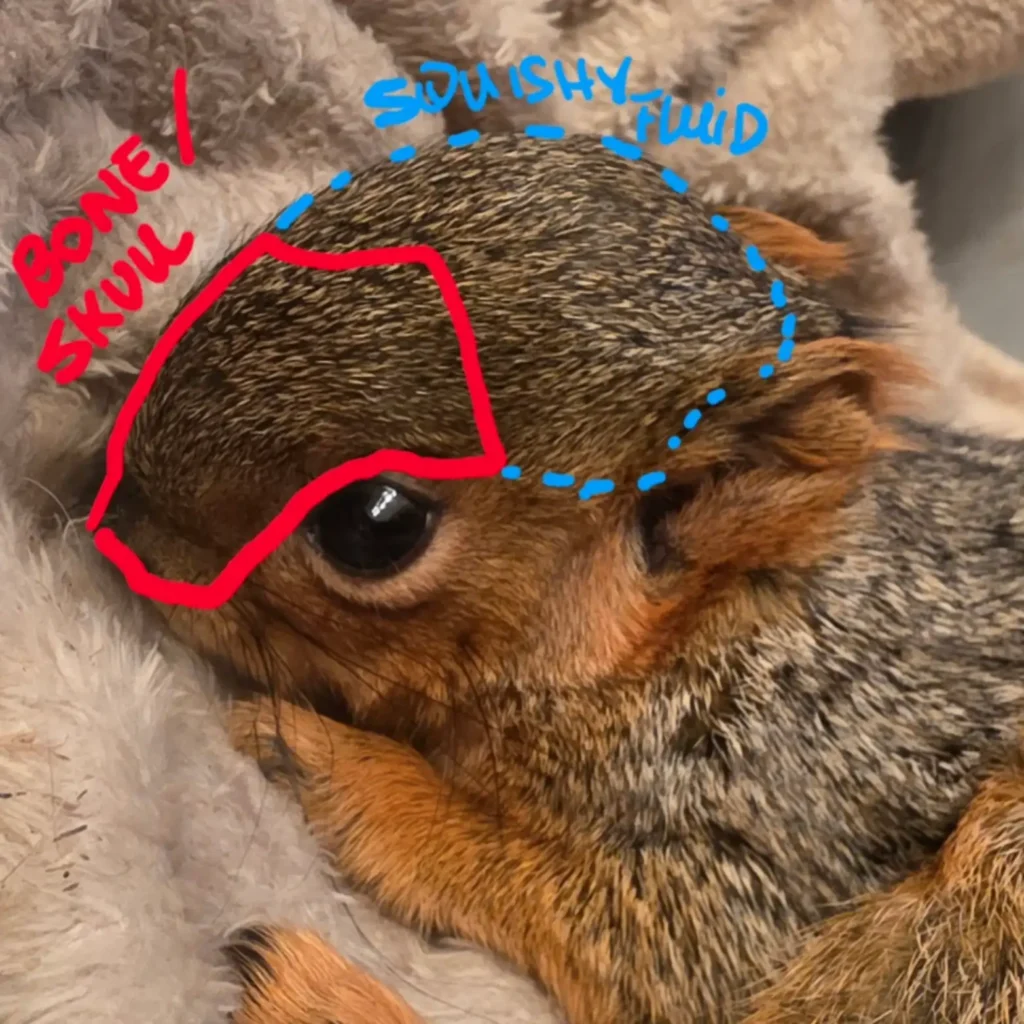
A veterinarian soon confirmed the diagnosis: fluid had accumulated around the squirrel’s brain. However, imaging revealed unexpected good news.
Unlike many cases involving this condition, the squirrel’s brain was fully enclosed within his skull. In addition, a large calcified area had formed at the front of his head, creating what Lombardi jokingly described as a built-in “helmet.”
This unusual anatomy significantly improved the squirrel’s chances.
A Chance at a Stable Life
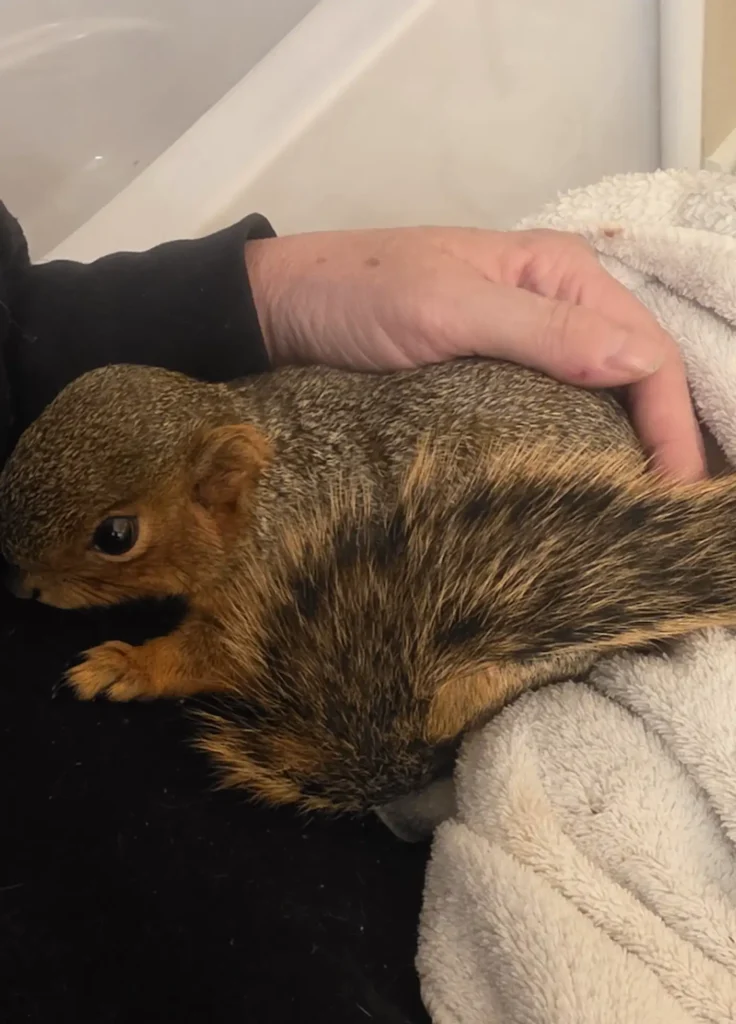
Thanks to the protective structure around his brain, the young squirrel — only about six months old — could survive with consistent medical care.
Lombardi named him Ein, inspired by Einstein.
With daily medication to manage swelling and fluid levels, Ein now lives a stable, comfortable life under Lombardi’s care.
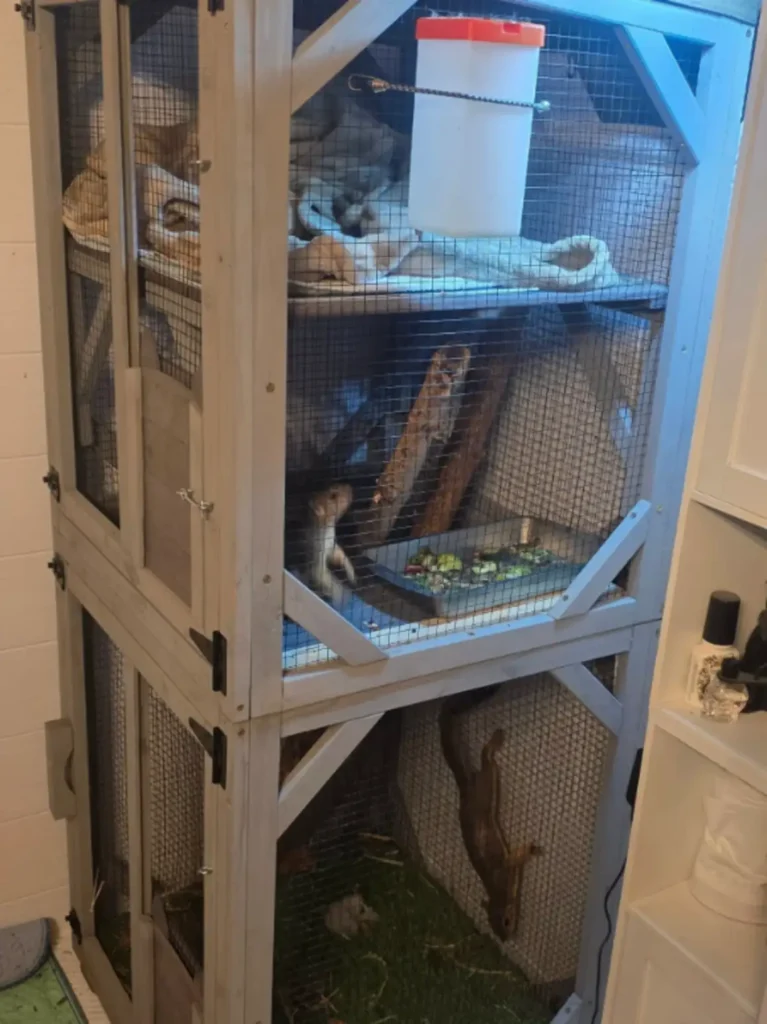
A Safe Place to Call Home
At Lombardi’s house, Ein lives in a specialized squirrel condo alongside three other squirrels with special needs.
He chooses when to socialize and when to retreat to his quiet, blanket-lined space. Gentle and cautious by nature, Ein avoids conflict and prefers calm surroundings.
Remarkably, he has never bitten Lombardi — something especially rare for a wild male squirrel. Lombardi believes Ein understands that he is safe.
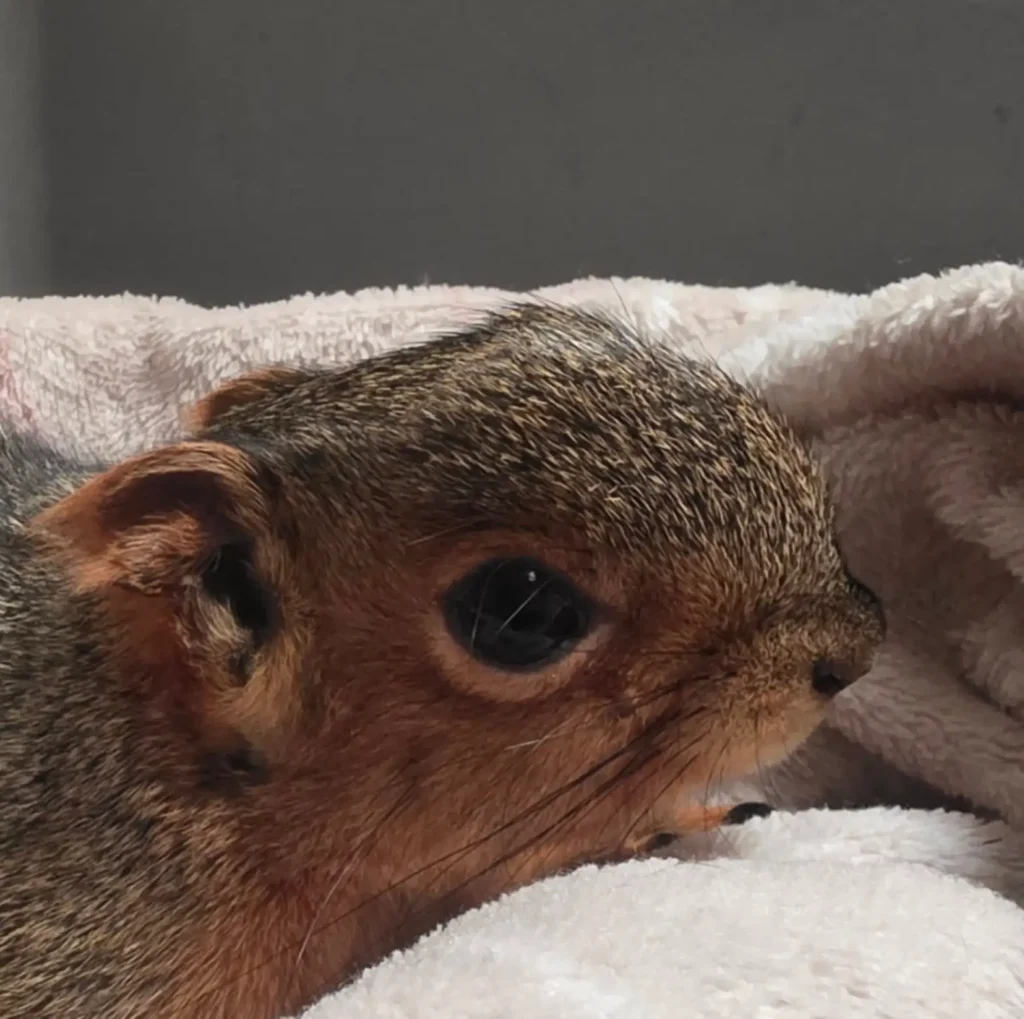
Managing a Lifelong Condition
Twice a day, Ein receives steroids to control swelling, along with two long-term medications that regulate fluid buildup.
Whenever Lombardi has attempted to lower the dosage, the swelling returns. As a result, Ein will remain under lifelong care and cannot return to the wild.
Still, Lombardi considers him incredibly lucky.
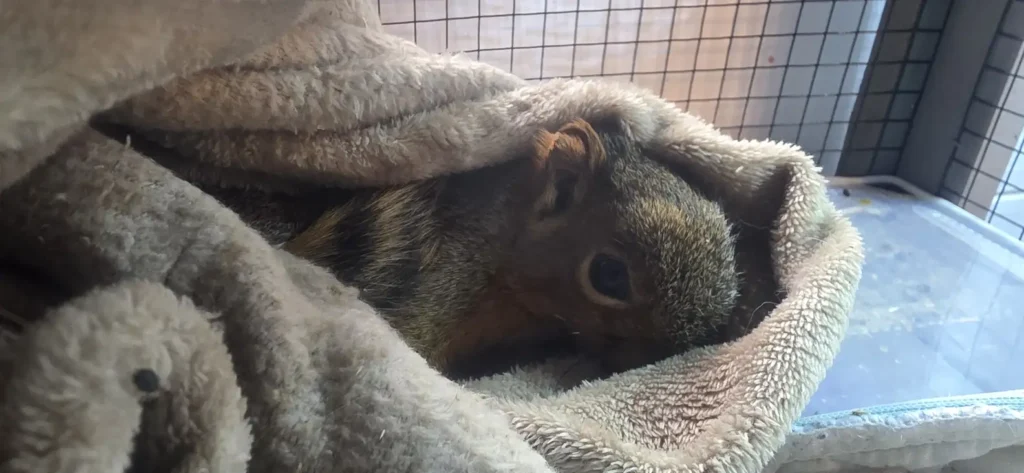
Looking Toward the Future
Eventually, Lombardi hopes to build Ein a large outdoor enclosure. There, Ein will experience fresh air, sunlight, and nature — all at a pace that feels safe and comfortable to him.
Ein doesn’t seek affection and prefers independence. These days, he eats peacefully, rests often, and no longer faces bullying.
A Life Worth Protecting
Progress comes slowly, but it comes.
By allowing Ein to set the pace, Lombardi continues building trust day by day. Above all, he believes the lesson is simple and important.
Every animal deserves a chance at a good life — even when they aren’t “perfect.”