

A Rare Look Inside the Pouch
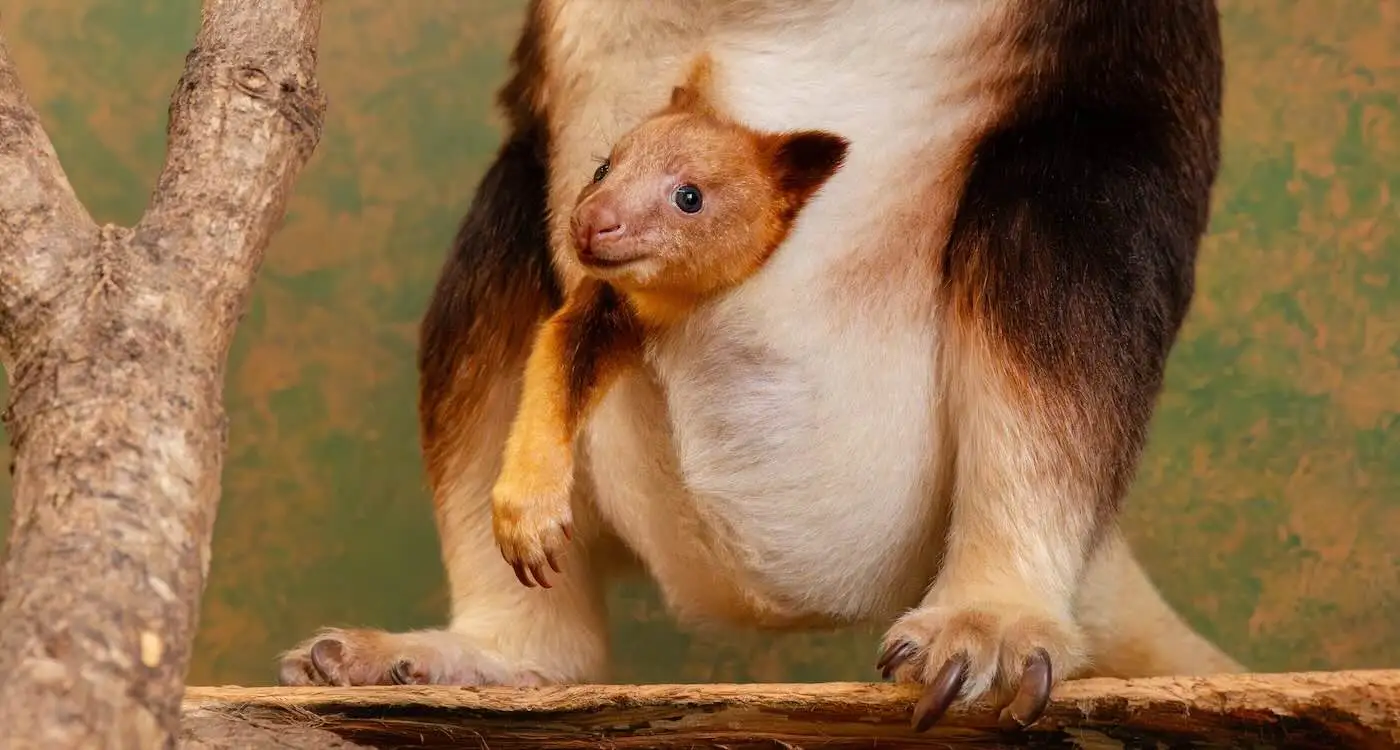
Amazing “pouch-cam” footage is offering a rare glimpse into the hidden world of an endangered baby kangaroo.
The joey was born at Chester Zoo in the UK weighing just 2–3 grams—about the size of a jellybean. Experts say the birth marks a major conservation milestone for one of the world’s most threatened marsupials, the Goodfellow’s tree kangaroo.
Monitoring a Tiny Life
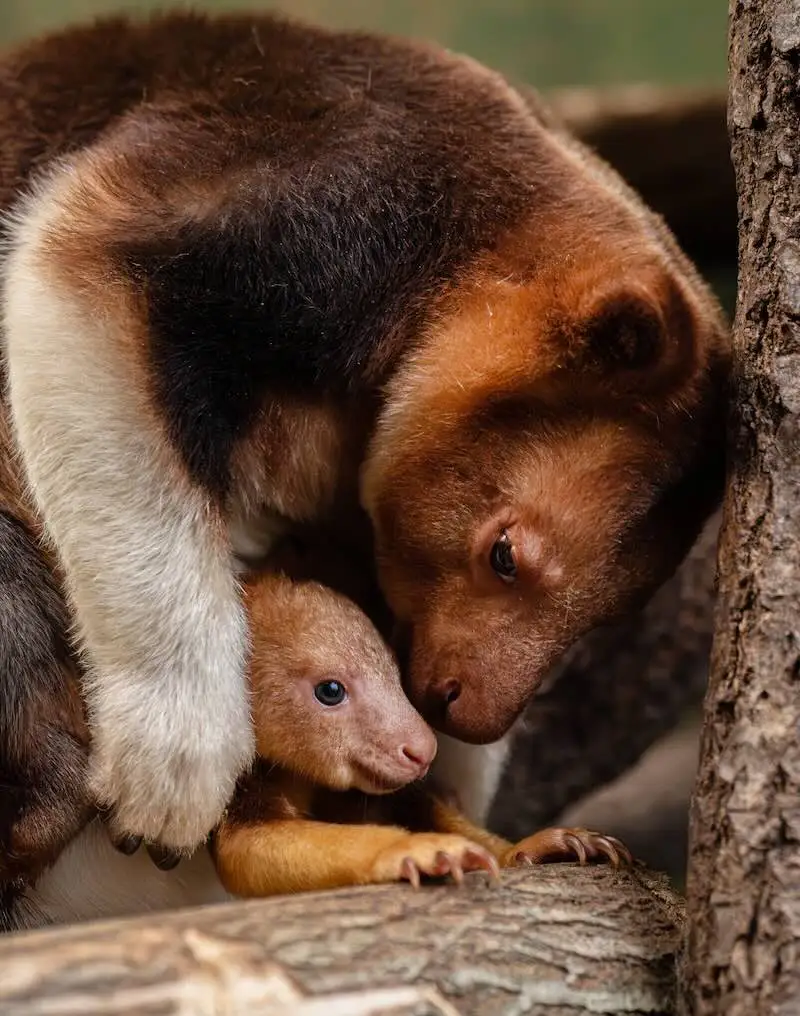
Zoo keepers monitored the pouch-cam footage between October and December, carefully tracking the joey’s development inside his mother’s pouch.
The footage confirmed the joey is a healthy male. He was born to parents Kitawa and Kayjo as part of an international conservation breeding program designed to protect the species from extinction.
A Breakthrough for Conservation
Zoo experts say the footage—while graphic for some—provides valuable insight into the early development of tree kangaroos. The findings are expected to support conservation efforts worldwide.
“When people think of kangaroos, they rarely imagine small, fluffy animals living high in the treetops,” said Matthew Lloyd, Chester Zoo’s tree kangaroo expert.
“With so little known about tree kangaroos, this joey is a particularly special arrival and a major step forward in protecting this remarkable species.”
Technology Making a Difference
Using tiny endoscopic cameras, the zoo captured the joey’s first few months of life. He now weighs around 4 pounds (1.85 kg).
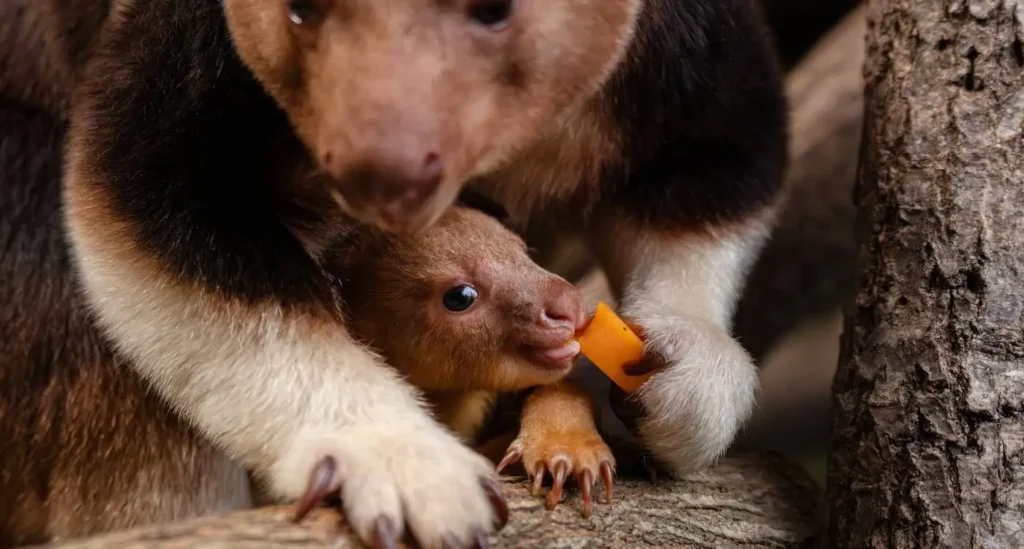
“Tracking pouch development like this wasn’t possible just a few years ago,” Lloyd said. “What we’ve learned will help conservation breeding efforts globally.”
This is only the second time Chester Zoo has successfully bred the species. Just two zoos in the UK currently care for Goodfellow’s tree kangaroos.
Why Tree Kangaroos Matter
Goodfellow’s tree kangaroos are native to the forests of Papua New Guinea. Unlike other kangaroos, they are mostly solitary and spend up to 16 hours a day resting in trees, often sleeping head-down to shed rain from their fur.
After birth, joeys make an incredible climb from the mother’s belly into the pouch. They remain there for about seven months, developing before emerging.
Forest loss, habitat degradation, and slow reproduction rates have left the species highly vulnerable. Only 20–25 zoos worldwide currently care for or breed them as part of a global genetic conservation effort.
A Name Still to Come
The joey hasn’t been named yet. Zoo staff say the name will be influenced by communities in Papua New Guinea who live alongside tree kangaroos and are helping protect their forest homes.
“Every birth like this is incredibly important,” said David White, team manager at Chester Zoo. “Everything we learn helps conservationists around the world.”