

The Prionailurus genus includes five small Asian wild cats: the fishing cat, leopard cat, rusty-spotted cat, Iriomote cat and flat-headed cat. While all face mounting threats from habitat loss, the flat-headed cat has long been considered one of the world’s most elusive felines.
After disappearing from Thailand in 1995, the species was considered locally extinct for nearly three decades. Then, in 2024, officials confirmed something remarkable: the cat is back.
A Long-Awaited Return
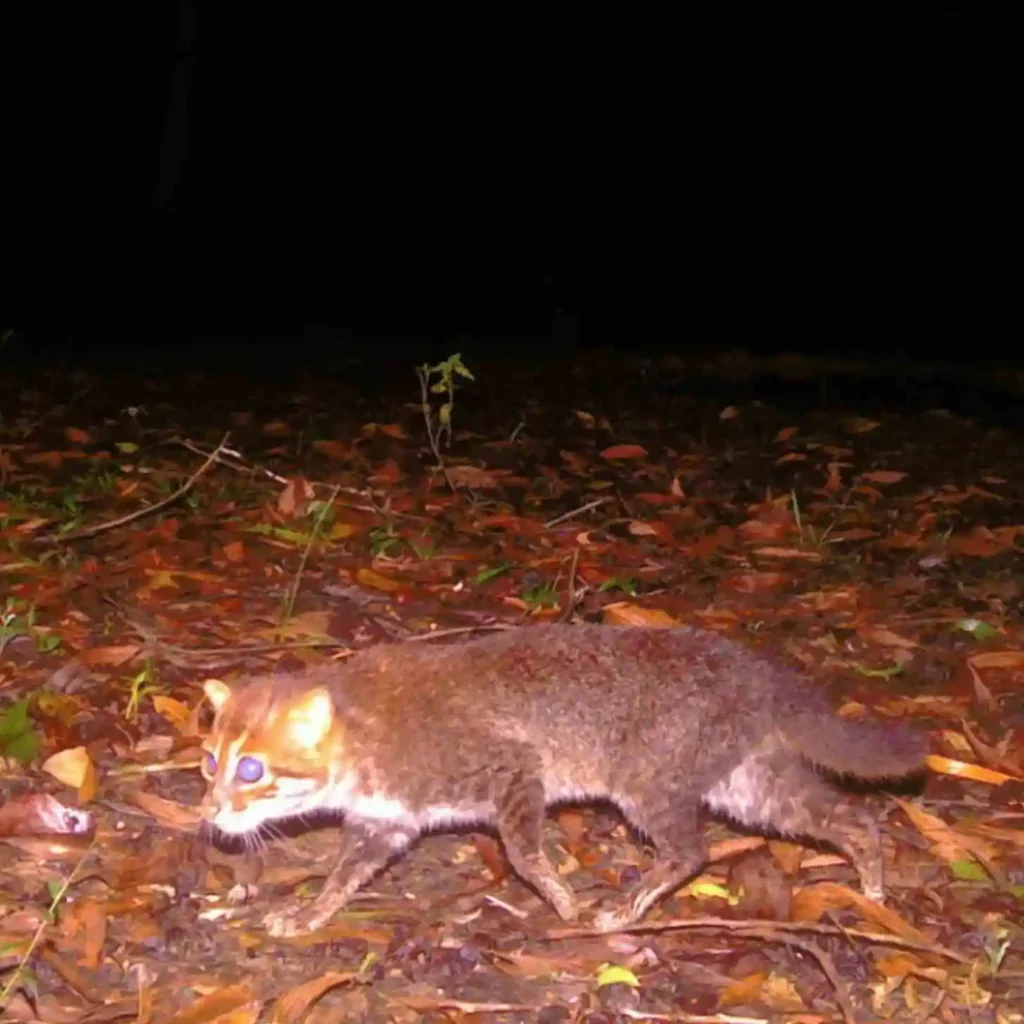
In 2024, Thailand’s Department of National Parks, Wildlife and Plant Conservation and Panthera Thailand released trail camera footage showing flat-headed cats moving through southern Thailand’s forests.
It marked the first confirmed sighting in 29 years.
Kritsana Kaewplang, Panthera Thailand’s country director, described the moment as transformative:
“After nearly three decades, this rediscovery shows what’s possible when science and strong protection come together.”
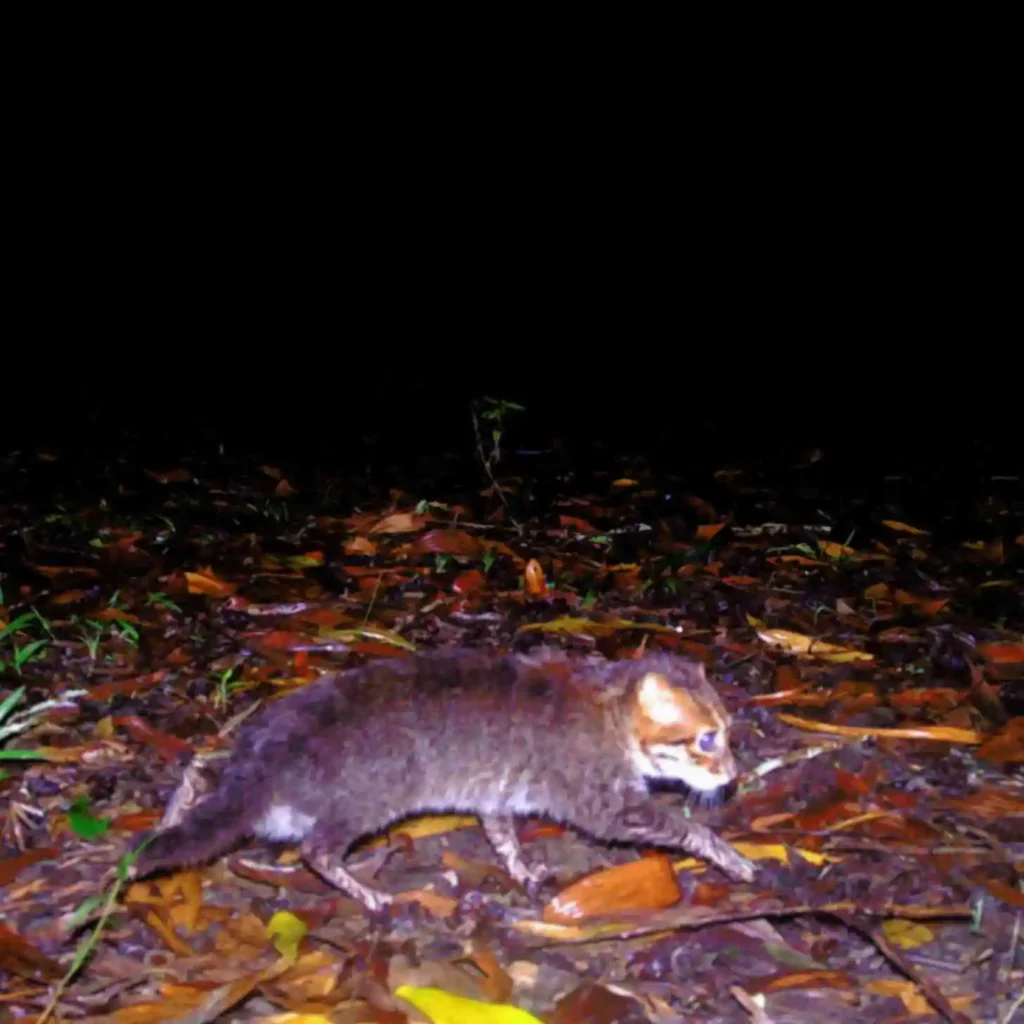
Researchers recorded 13 sightings in 2024 and 16 more in 2025, making it the largest flat-headed cat survey ever conducted in the country. Importantly, one image captured a female with her cub, confirming that the species is not only present — it is breeding.
A Cat Built for Wetlands
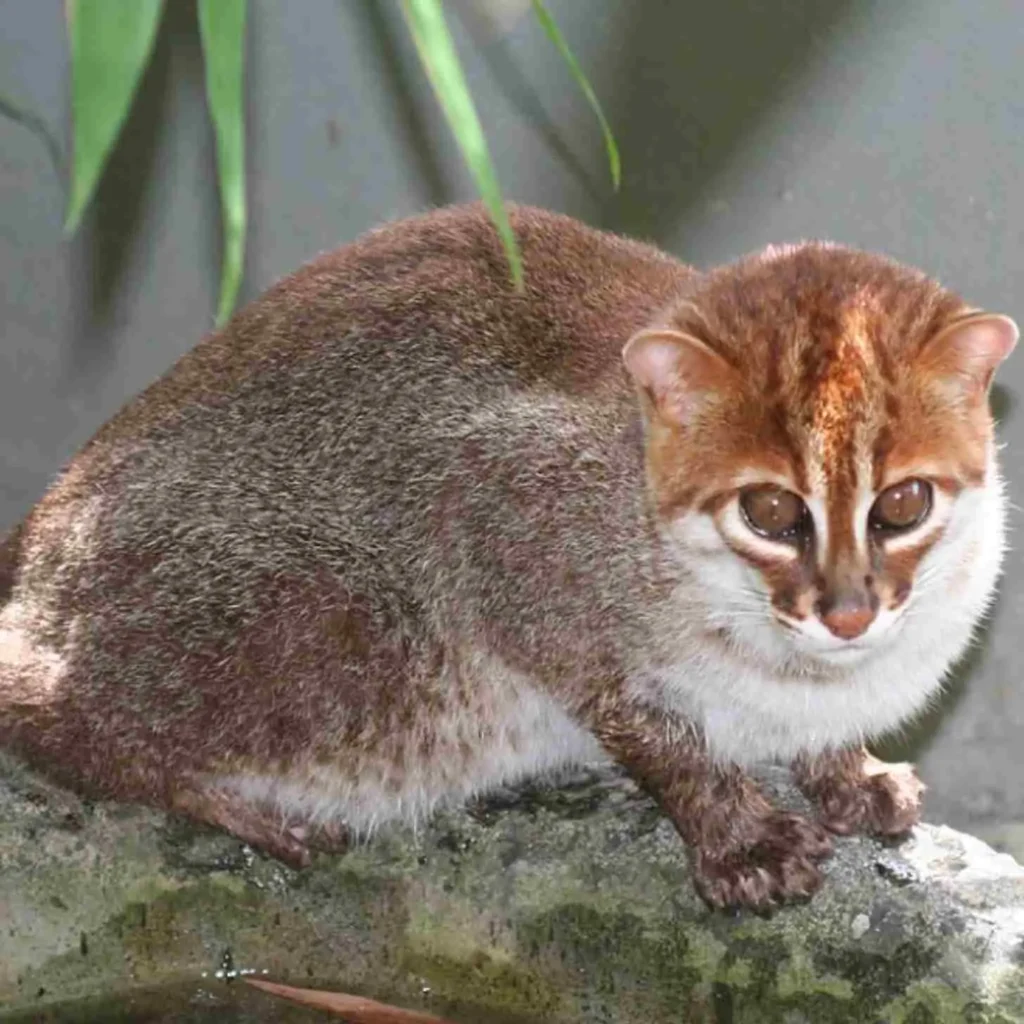
Named for its distinctively flattened skull, the flat-headed cat has several unique adaptations:
- Round ears and close-set eyes
- A short, stubby tail
- Webbed, otter-like feet
These features help it thrive in wetland and peat swamp ecosystems, where it hunts fish, frogs and crustaceans.
Historically, the species ranged across Thailand, Peninsular Malaysia, Sumatra and Borneo. However, human-driven habitat destruction, wetland drainage and water pollution severely reduced its numbers.
Why It Came Back
Conservationists believe the cat’s return reflects improved habitat protection. Authorities strengthened water-level management, increased forest fire prevention efforts and enhanced patrols in border forests.
Athapol Charoenshunsa, director general of Thailand’s Department of National Parks, called the rediscovery:
“A landmark moment for Thailand and a powerful reflection of our long-standing commitment to conservation.”
Meanwhile, Dr. Wai Ming Wong, Panthera’s small cat conservation science director, emphasized the broader message:
“Even species thought to be lost can be rebuilt if we invest in protecting the habitats they depend on.”
A Fragile but Hopeful Future
Although the flat-headed cat remains endangered across Southeast Asia, its confirmed return to Thailand proves that conservation efforts can reverse even decades-long absences.
In other words, when ecosystems recover, wildlife can follow.