

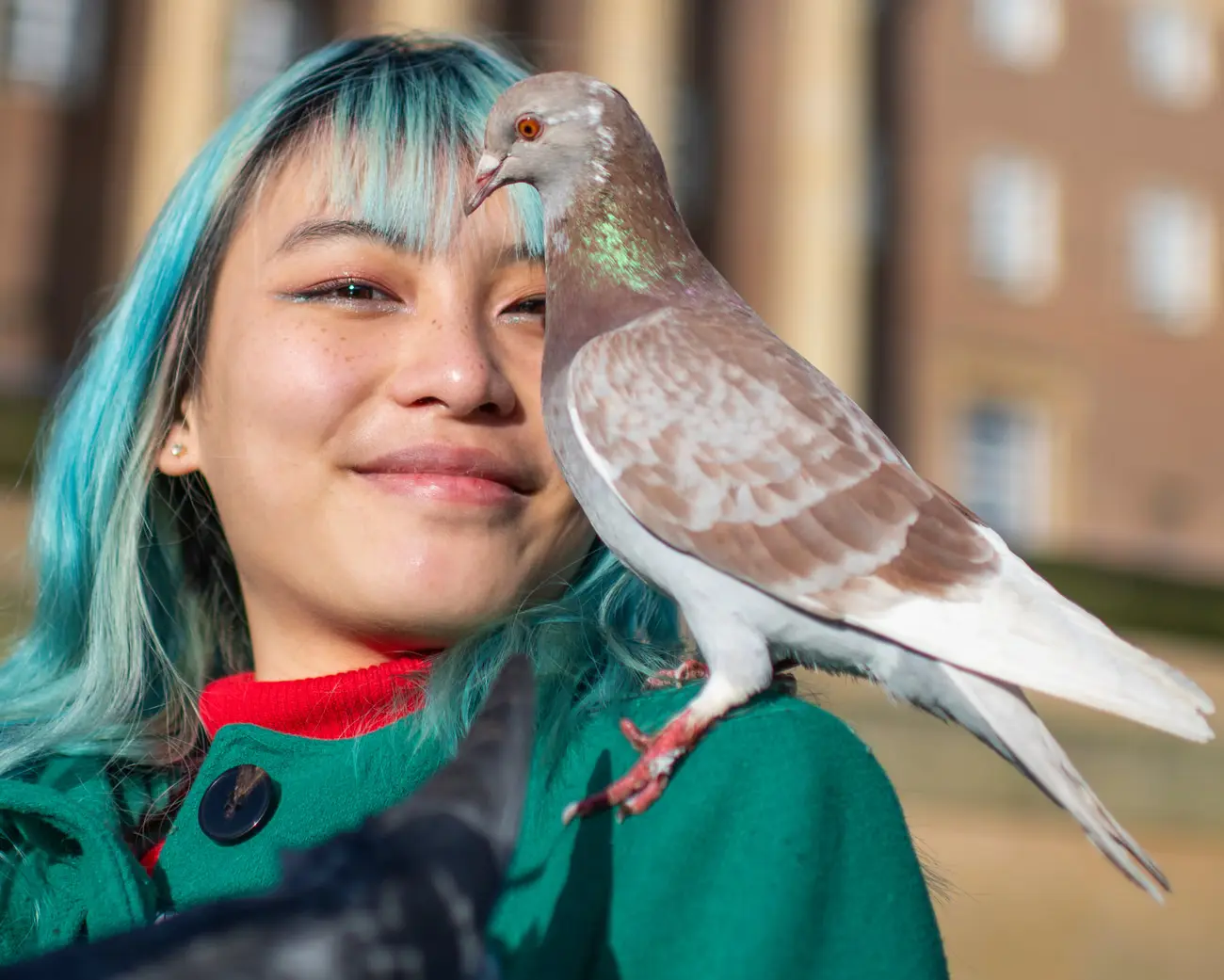
At 9 a.m., Norwich market is only just waking up. Shutters remain down and traders sip their first coffees. Yet in the nearby Memorial Gardens, another ritual is already underway — hundreds of pigeons gather, waiting.
When Jenny Coupland arrives with a backpack full of seed, the birds swoop down in a rush of wings. Within seconds, the ground shimmers with grey and brown feathers flashing green and purple in the sunlight.
To some passersby, it’s a beautiful spectacle. To others, it’s a growing problem.
Coupland, founder of local bird welfare group Peck Savers, has fed pigeons in Norwich for a decade. However, she says tensions have escalated in recent months.
“It’s become a tinderbox situation,” she explains.
‘Perfect Creatures’ — Or Public Nuisance?
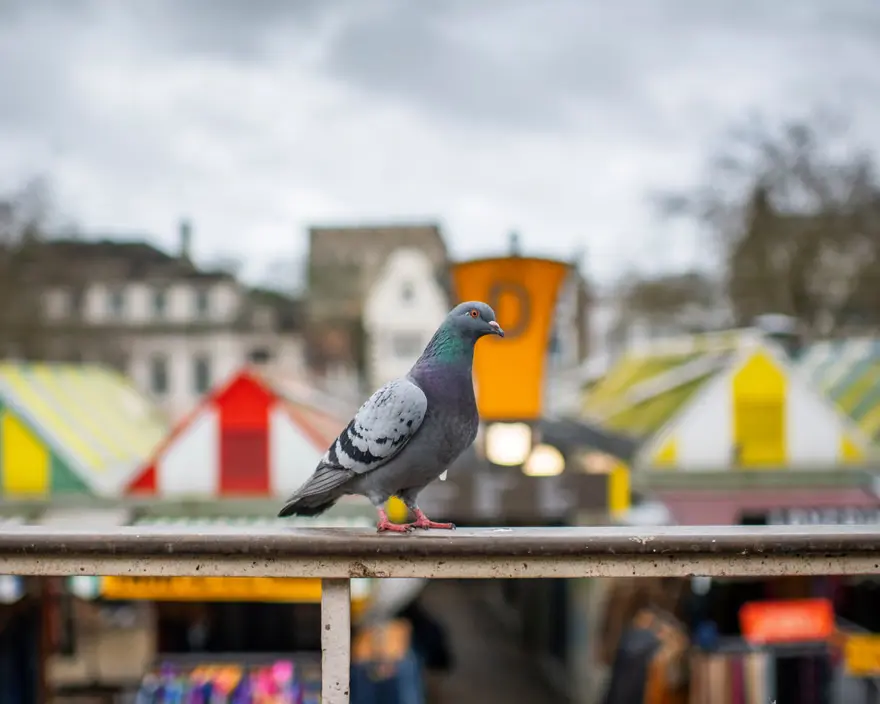
The flock near the market has grown to around 300 birds. As a result, complaints from traders and shoppers have increased.
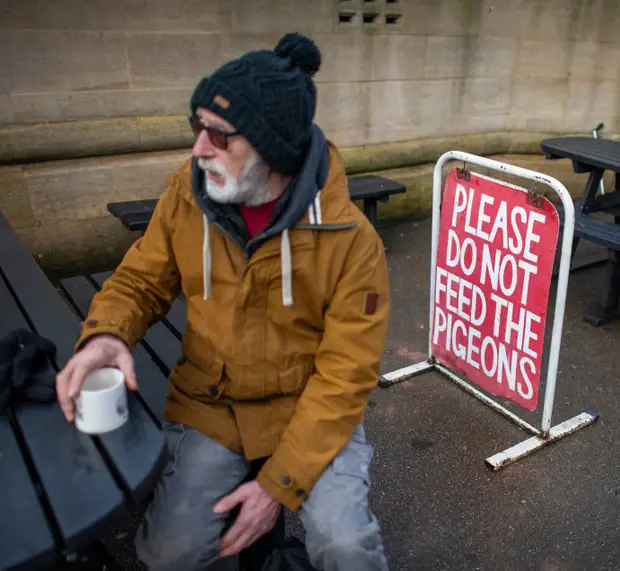
Some residents argue the birds create mess and disruption. They point to droppings on benches, pigeons grabbing food and the overwhelming presence of the flock.
Meanwhile, supporters describe the birds very differently. Coupland calls them “just perfect,” praising their iridescent plumage and distinct personalities.
She also challenges the common belief that pigeons are especially dirty.
Do Pigeons Really Spread Disease?
According to University of Nottingham evolutionary biologist Will Smith, disease risks are often exaggerated.
While pigeons can carry parasites and bacteria, infection typically requires close contact with droppings. For most people, the risk remains low. Immunocompromised individuals face greater vulnerability, but ordinary day-to-day exposure rarely leads to illness.
Importantly, pigeons currently present a lower avian influenza risk than ducks, geese or swans. In fact, studies suggest they are relatively resistant.
That said, Smith acknowledges that population growth raises legitimate concerns.
A single pair of pigeons can produce up to 12 chicks per year. Because feral pigeons descend from domesticated rock doves, they depend heavily on urban environments for survival. In cities, concrete and fast-food scraps replace cliffs and seeds.
Simply banning feeding, Smith notes, would not make birds disappear overnight. Instead, abruptly cutting off food could cause widespread suffering.
The Council’s Response
In response to complaints, Norwich city council explored several measures. Officials trialed a Harris’s hawk to deter pigeons and considered contraceptive feed. However, contraceptive use is not licensed in the UK, and the hawk pilot paused after four weeks.
Carli Harper, cabinet member for finance and major projects, has emphasized that the council is “pro-Norwich market,” not anti-pigeon. She also stated that officials are exploring humane and legal management options.
Although feeding birds remains legal, the council has considered measures to discourage what it describes as excessive feeding.
A Global Debate
Norwich is not alone. Cities including Rome, Venice, New York City, Singapore and London restrict pigeon feeding in certain areas.
In London’s Trafalgar Square, violators face fines up to £500. Meanwhile, in Mumbai, a citywide feeding ban triggered protests and even the short-lived formation of a “Pigeon party.”
Clearly, pigeon management touches on deeper questions: public health, urban planning and how humans coexist with wildlife.
A Proposed Compromise
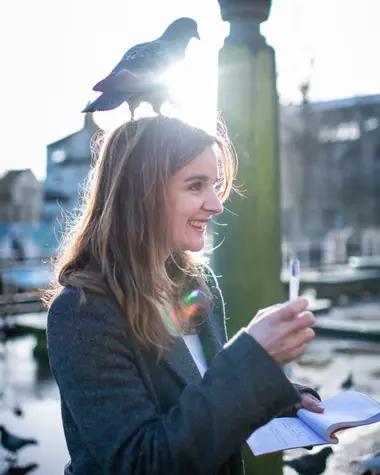
Supporters like Coupland and 19-year-old student Summer Loh propose building a dovecote in Chapelfield Gardens. Such structures have worked abroad.
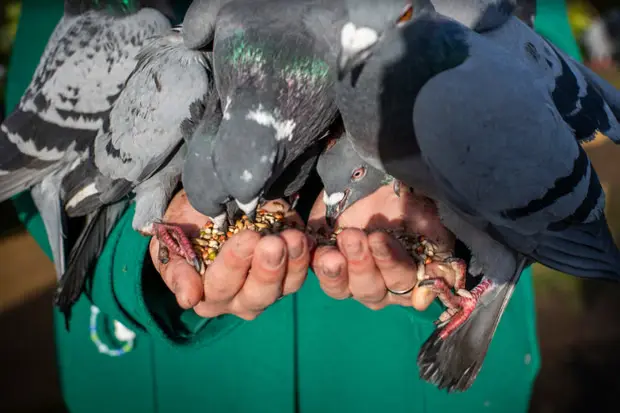
By relocating nests to a managed site, authorities could replace real eggs with dummy eggs, gradually reducing flock size without mass starvation.
Smith calls the idea scientifically sound but acknowledges it may prove culturally difficult to sell in the UK.
More Than Just Birds
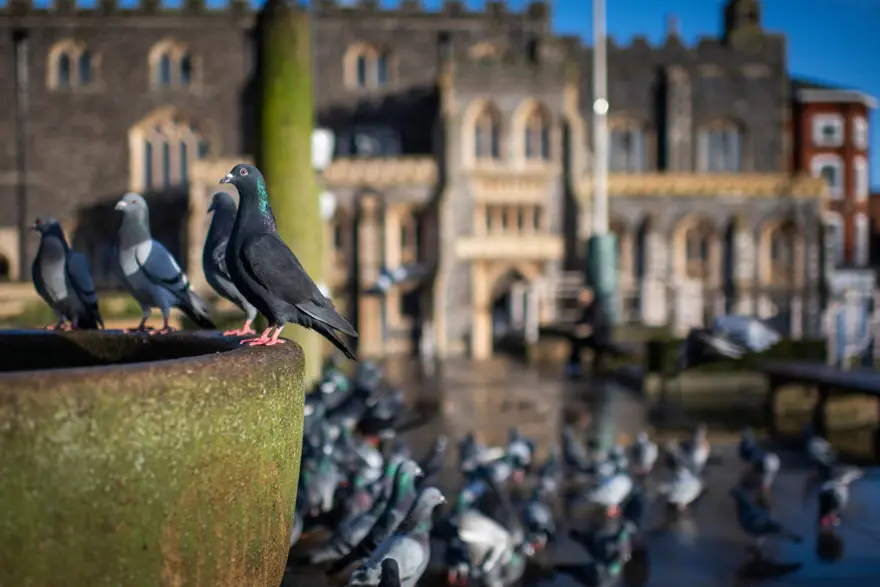
For some residents, pigeons represent stress and mess. For others, they bring comfort.
Many supporters describe feeding as calming and socially meaningful. They argue that pigeons have long served humans — from ancient messenger birds to contributors to Charles Darwin’s evolutionary research.
At the heart of Norwich’s debate lies a simple truth: pigeons are not going anywhere.
Whether viewed as pests or survivors, they have adapted to urban life with remarkable resilience. The real question is not whether pigeons belong — but how cities choose to live alongside them.