

Australian Antarctic Program scientists have confirmed that the deadly H5N1 bird flu virus has spread to new species on Heard Island, an Australian external territory in the sub-Antarctic.
First Bird Case in an Australian Territory
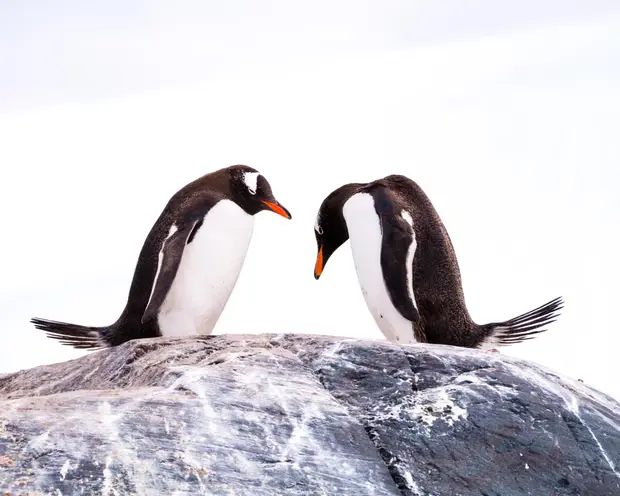
The Gentoo penguin has become the first bird species in an Australian territory to test positive for the H5N1 strain.
Previously, in November 2025, the virus was confirmed in Southern elephant seal populations on Heard Island. Now, further testing by the Australian Antarctic Program has confirmed infections in fur seals and gentoo penguins.
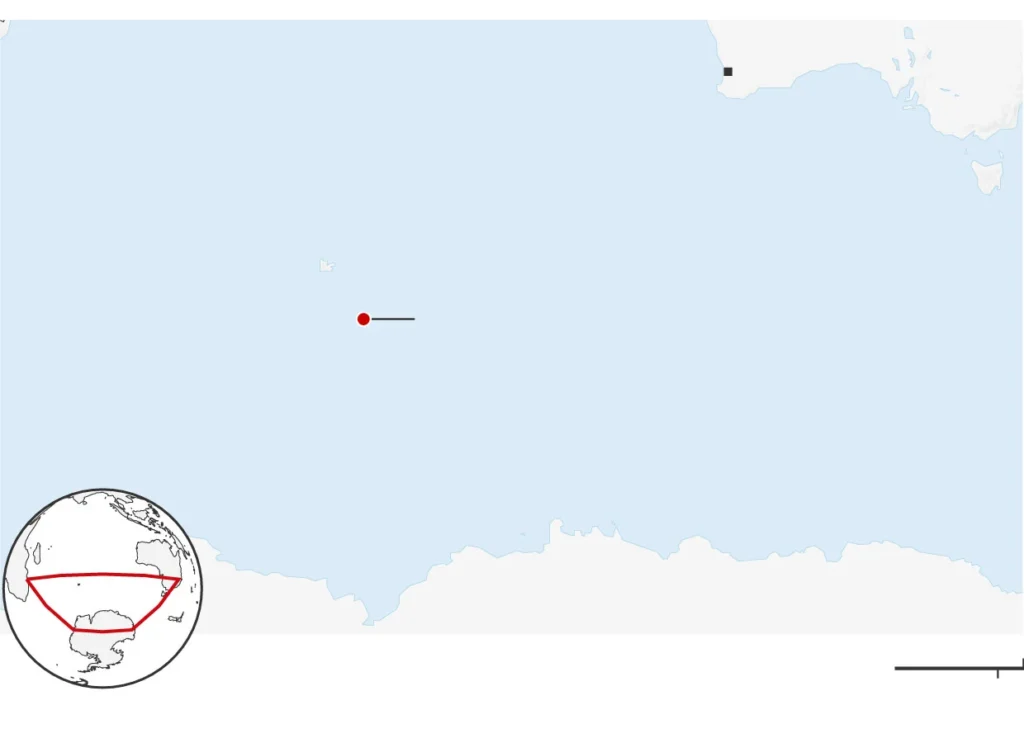
Heard Island lies about 4,000km south-west of Perth and roughly 1,700km north of Antarctica. Although remote, it hosts unique and vulnerable wildlife.
A “Very Concerning Development”
Hugh Possingham, vice-president of BirdLife Australia, described the spread to penguins as deeply troubling.
“The gentoo penguins of Heard Island are now the first birds in an Australian territory to test positive for this virus that has devastated wildlife around the world,” he said. “They will certainly not be the last.”
Importantly, several species on the island exist nowhere else on Earth, including the Heard Island cormorant and the Heard Island sheathbill. Therefore, conservationists fear the virus could threaten entire endemic populations.
Possingham also expressed frustration that questions about ramped-up wildlife protections remain largely unanswered.
Government Response and Preparedness
Despite the detections, the federal government stated that mainland Australia remains free of H5N1. Officials argue that the additional cases do not substantially increase immediate national risk.
Julie Collins said the government has invested more than $100 million in preparedness and response capability.
“While continued detections of H5 bird flu on Heard Island are not unexpected, this reinforces the need for Australia to remain focused on preparing for a potential outbreak,” she said.
Authorities continue to emphasise biosecurity cooperation between governments, industry and communities.
How the Virus Spread South
H5N1 first reached Antarctica during the 2023–24 season, with detections in South Georgia and later the Antarctic Peninsula. Subsequently, it spread to Marion Island and the French sub-Antarctic islands of Kerguelen and Crozet — just 500km from Heard and McDonald Islands.
Michelle Wille, an avian influenza expert at the University of Melbourne, described the disease as “catastrophic for wildlife.”
She warned that the virus has already travelled thousands of kilometres over open ocean. Consequently, it could theoretically spread to Australian and New Zealand sub-Antarctic islands such as Macquarie Island.
“From there it’s not very far to get to Australia itself,” she said.
What Happens Next?
Scientists now stress the importance of enhanced surveillance and early detection. Although Australia remains free of H5N1 for now, experts agree that the country faces risk from both southern and northern transmission routes.
In short, the emergence of H5N1 in gentoo penguins marks a significant milestone — and a warning. As the virus continues to move across oceans and ecosystems, wildlife management and biosecurity planning will become increasingly critical to protect Australia’s unique species.