

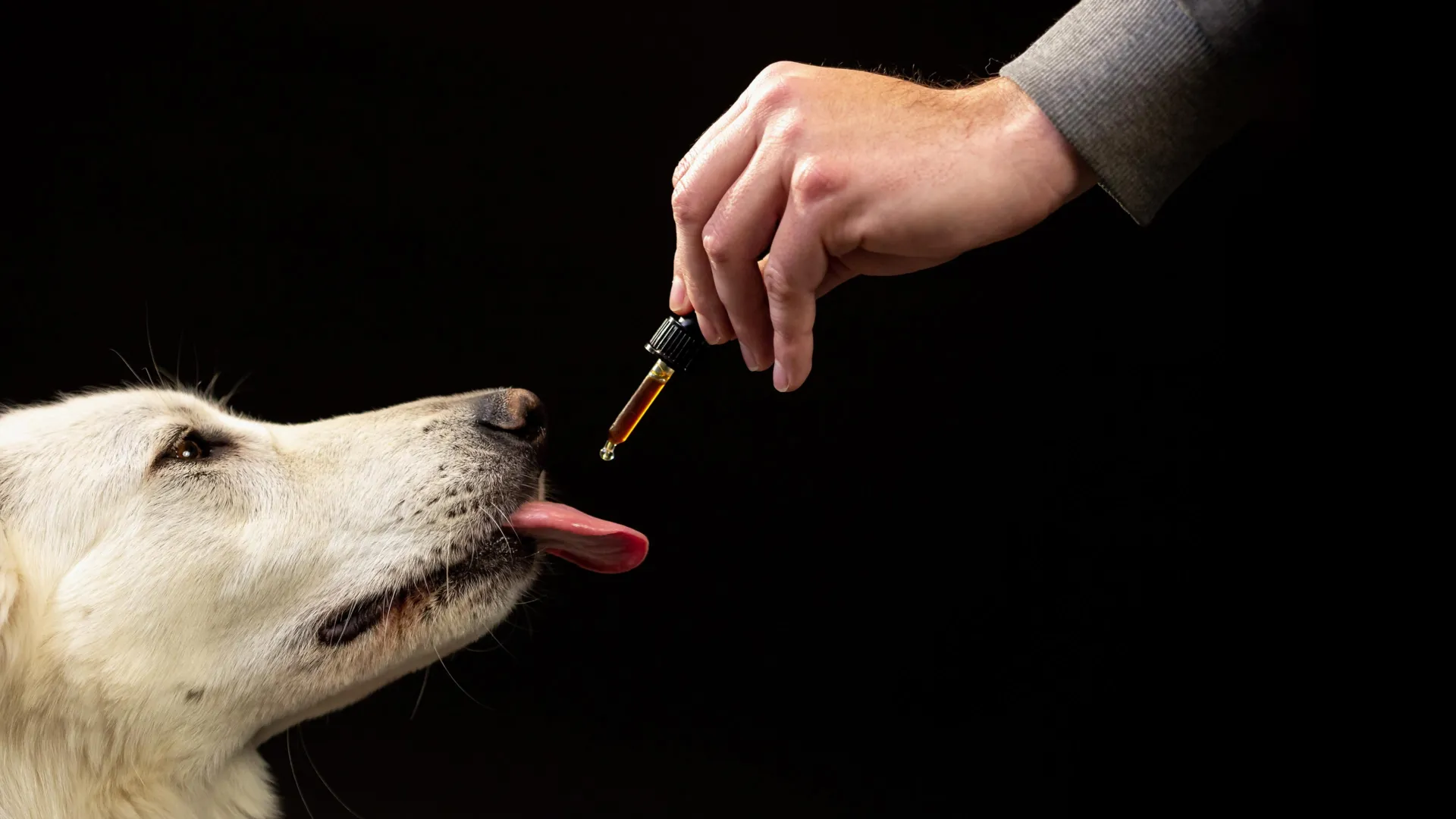
CBD and Dogs: New Research on Potential Benefits
Cannabidiol (CBD) is widely used by humans to help with issues like chronic pain, inflammation, and nausea. Recent research suggests that dogs may also experience some positive effects from CBD and hemp supplements.
Scientists in the U.S. analyzed data from the Dog Aging Project, a long-term community science initiative that tracks the diet, lifestyle, health, and behavior of pet dogs. Their findings, published in Frontiers in Veterinary Science, provide some of the first large-scale insights into CBD use among companion dogs.
Behavioral Observations
The researchers found that dogs receiving CBD over multiple years showed changes in aggression over time. According to Dr. Maxwell Leung, a senior author and director of the Cannabis Analytics, Safety, and Health Initiative at Arizona State University, dogs initially displayed higher levels of aggression compared to those not receiving CBD. However, as time went on, their aggressive behaviors appeared to lessen.
Co-author Dr. Julia Albright of the University of Tennessee added that these results highlight CBD’s potential as a tool for addressing behavioral challenges in dogs.
Scope of the Study
This study is the largest to date examining CBD use in U.S. dogs. Between 2019 and 2023, 47,355 dogs were included, with owners reporting yearly on how often their pets received CBD or hemp supplements. Dogs were categorized as frequent users (daily) or infrequent users (less than once daily), while some dogs had never been given these products.
Who Uses CBD?
Analysis revealed patterns in which dogs were most likely to receive CBD:
- Overall, 7.3% of U.S. dogs had been given CBD or hemp products.
- Frequent use was reported in 5.8% of dogs.
- Dogs receiving CBD were generally older, averaging three years older than non-users.
- Health conditions strongly associated with CBD use included dementia (18.2%), osteoarthritis (12.5%), and cancer (10%).
- Dogs in states with legal medical cannabis were more likely to receive CBD, suggesting owner attitudes influence use.
- Male dogs received CBD slightly more often than females.
- Activity levels were similar between users and non-users.
Behavioral Effects
Long-term CBD use was linked to lower aggression, though other behaviors such as anxiety or agitation did not show significant changes. Dr. Albright noted that aggression in dogs often stems from stress or the fight-or-flight response, which may explain why CBD seemed to specifically reduce aggressive behavior.
Limitations and Safety Considerations
The researchers caution that this study did not explore the biological mechanisms behind CBD’s effects. Other limitations include potential owner bias, limited dosage information, and lack of standardization in product types and administration methods.
CBD can cause side effects like gastrointestinal upset and diarrhea, so owners should carefully select reliable products and monitor their pets.
Looking Ahead
Despite these gaps, the study offers an important first look at how CBD might support both the health and behavior of older dogs. Dr. Leung emphasized that similarities in medical benefits between dogs and humans make this an exciting area for future research.