

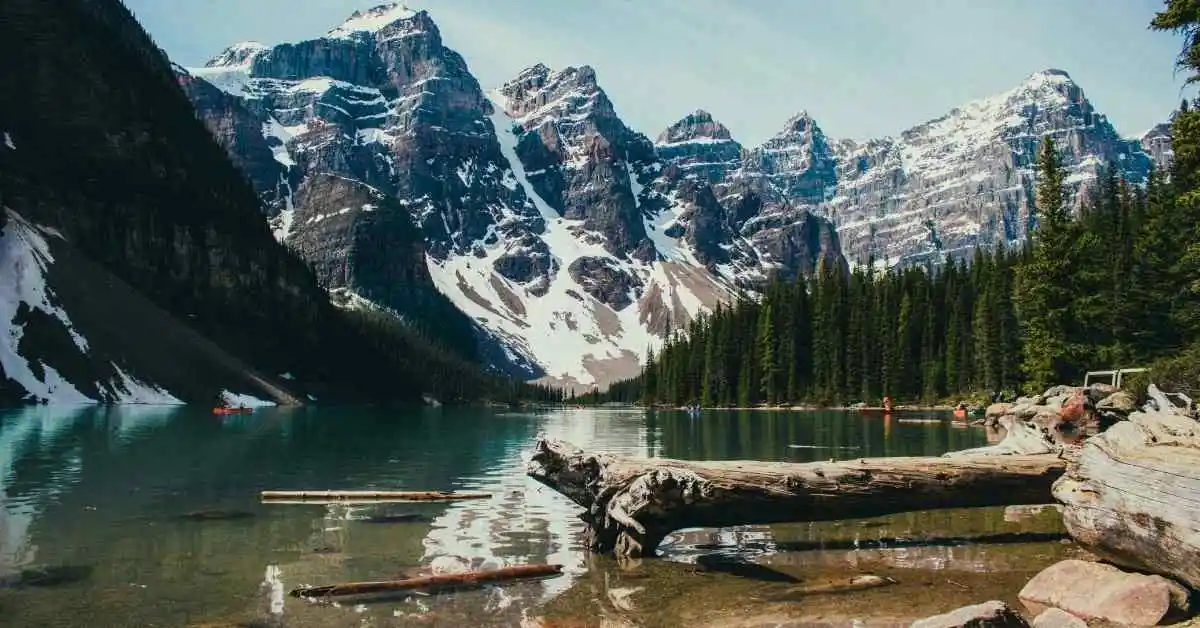
The concept first took shape in California’s Sierra Nevada, a dramatic mountain range where warming temperatures and shrinking snowpack are reshaping ecosystems — often with severe consequences for wildlife.
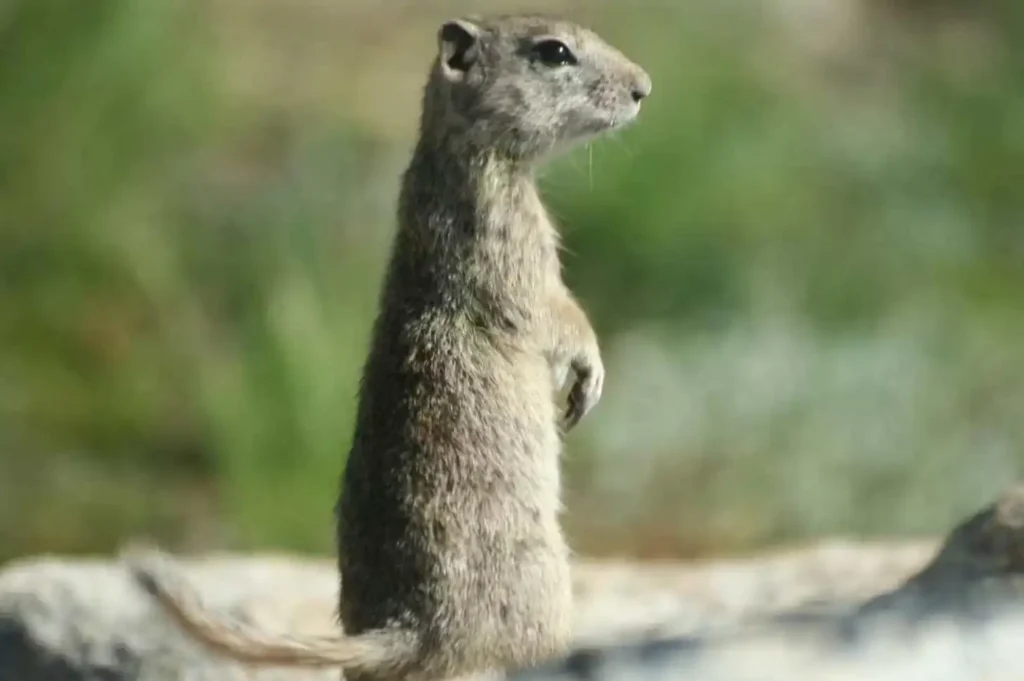
One species feeling the strain is Belding’s ground squirrel, a prairie-dog–like mammal that depends on moist mountain meadows. As snowfall declines and weather becomes more erratic, many of these meadows are drying out, making it harder for the squirrels to survive. Lower down the mountains, the foothill yellow-legged frog is facing similar challenges. This amphibian relies on cool, shaded streams for breeding and shelter, and rising temperatures are steadily shrinking suitable habitat.
While studying these species and others in the Sierra Nevada, researchers uncovered a hopeful pattern: climate change is not affecting every location in the same way. Some areas are proving far more resilient than others.
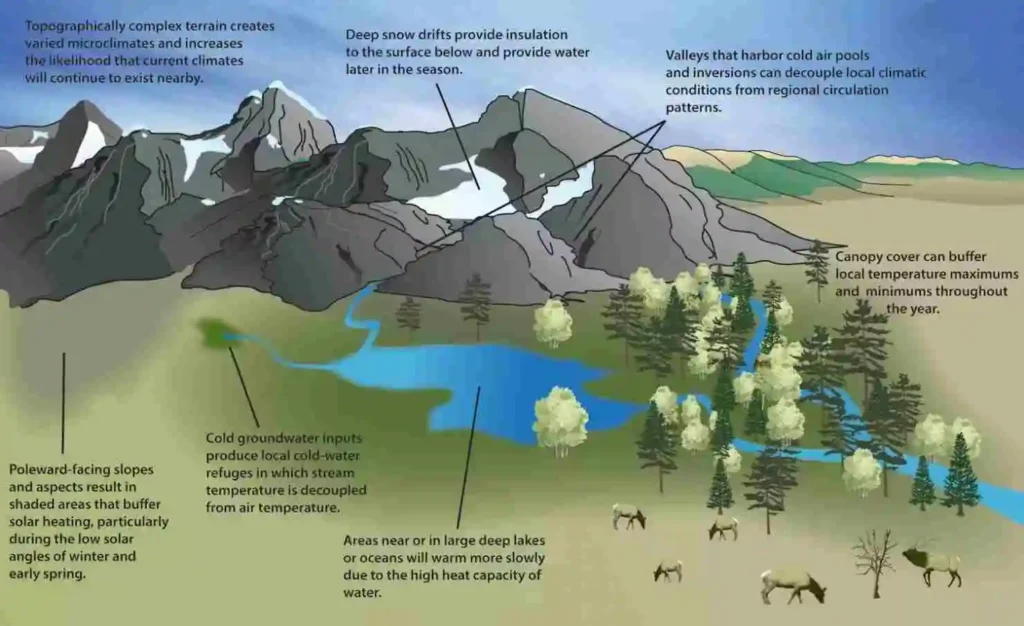
Scientists identified meadows that remain cooler and wetter, offering better conditions for ground squirrels. They also found streams that stay cool enough for frogs even as temperatures rise — thanks to features like dense tree cover, cold air settling in valleys, or nearby springs and deep lakes.
These resilient pockets of habitat are known as climate change refugia.
The study of these refugia, inspired by collaboration with natural resource managers in the Sierra Nevada, is now guiding conservation efforts worldwide. National parks, conservation groups, and private land managers are using this research to protect refugia from additional pressures such as invasive species, pollution, and habitat fragmentation — while also improving connectivity between landscapes to give vulnerable species a better chance of survival.
Around the globe, similar efforts are underway. From Australia’s increasingly fire-prone environments to the glacier-fed ecosystems of southern Chile, scientists, land managers, and local communities are working together to locate and preserve refugia that offer stability as the planet continues to warm.
A recent collection of scientific studies highlights some of the most promising examples of refugia conservation. Contributions from more than 100 researchers across four continents show how protecting these areas can benefit a wide range of species — including frogs, trees, ducks, and even large predators like lions.
Saving songbirds in New England
Research into climate change refugia — places shielded from the most extreme effects of warming — has expanded rapidly in recent years.
In New England, land managers have become increasingly concerned about how climate shifts and habitat loss are affecting wildlife. One species of concern is the grasshopper sparrow, a small grassland bird that nests in open fields across parts of the eastern United States and southern Canada.
Studies suggest that by 2080, fewer than 6% of the sparrow’s northeastern summer range will still have suitable temperature and rainfall conditions. The decline of songbirds is more than a loss of beauty; these birds help control insect populations and play a key role in maintaining ecological balance.
In Massachusetts, land managers have used controlled burning and mowing to preserve sand plain grasslands critical for nesting sparrows. These actions not only supported the birds but also led to the return of the rare frosted elfin butterfly — a species absent from the area for decades.
Protecting Canada’s forests
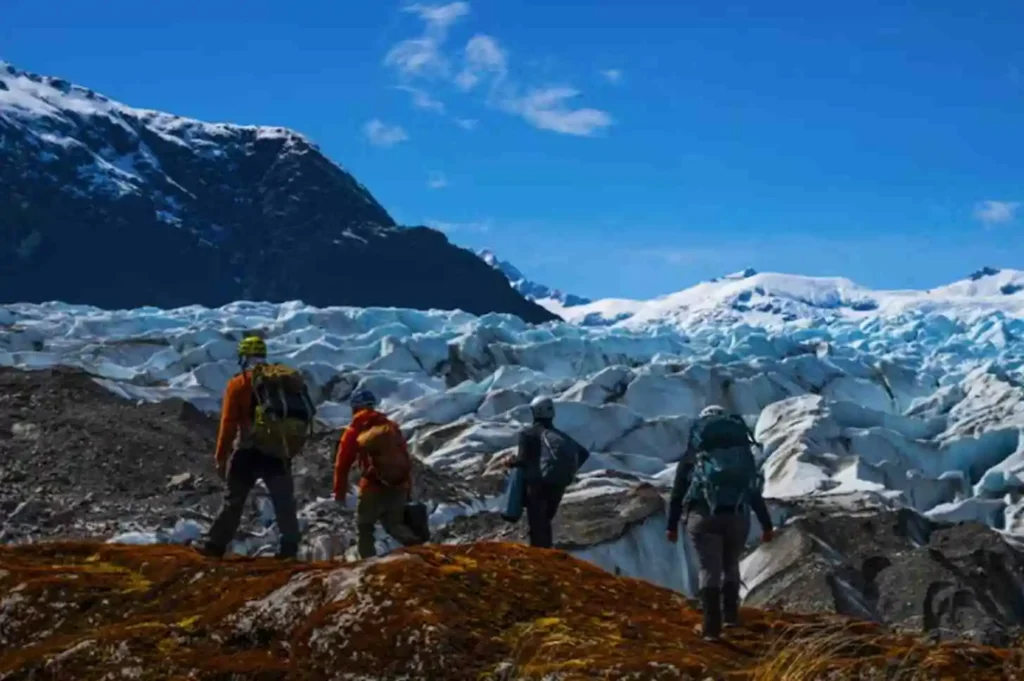
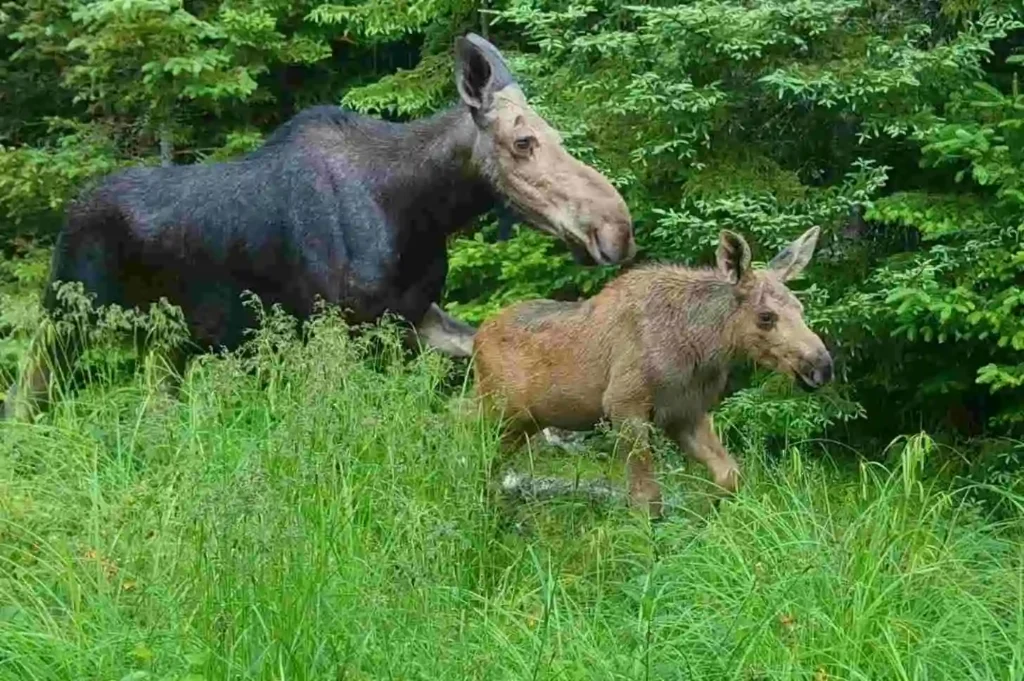
Canada is warming at roughly twice the global average, placing enormous pressure on its expansive forest ecosystems. Increasing drought, insect infestations, and intense wildfires are threatening habitats relied upon by species such as moose and caribou.
In British Columbia, researchers are actively mapping climate refugia by identifying locations that remain cooler, wetter, or more sheltered from climate extremes. This information is helping land-use planners, Indigenous communities, and conservation organizations prioritize areas for protection and limit damage from development and resource extraction.
The province is now undergoing major changes in forest landscape planning, working closely with First Nations and local communities to incorporate refugia into long-term conservation strategies.
Lions, giraffes, and elephants
East Africa contains some of the world’s richest biodiversity, but rising temperatures, longer droughts, and shifting seasonal patterns are placing increasing stress on wildlife.
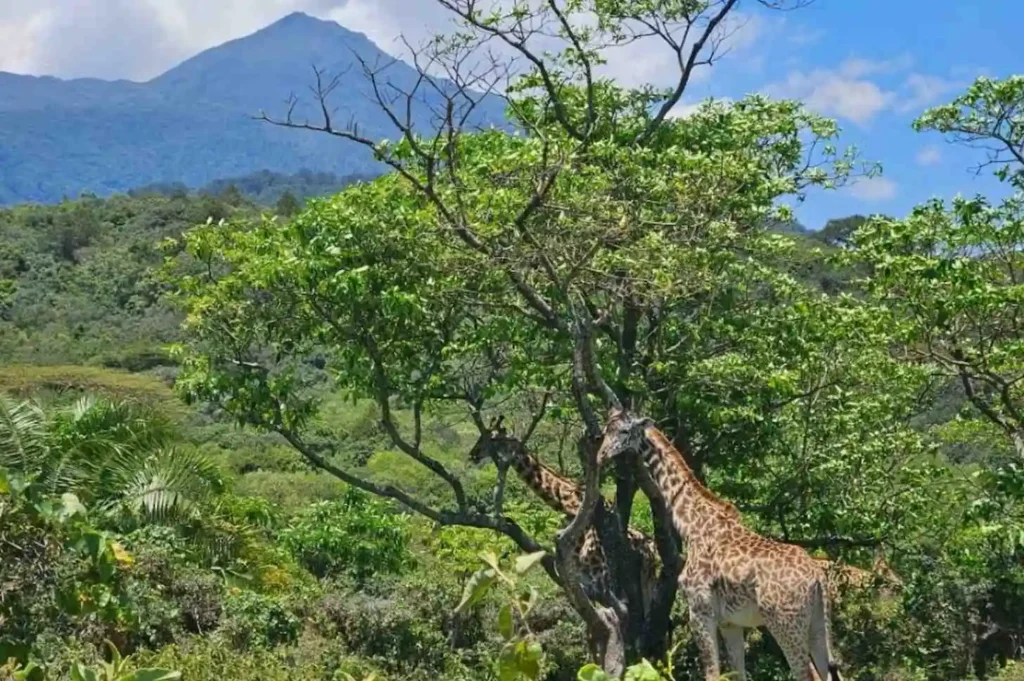
In Tanzania, researchers collaborated with government agencies and conservation groups to map potential refugia for iconic savanna species such as lions, giraffes, and elephants. These refuges include areas that retain water during droughts and remain cooler during extreme heat.
Serengeti National Park emerged as a particularly important climate refugium, capable of supporting wildlife even under harsher future conditions.
By combining scientific modeling with local knowledge, conservationists are identifying priority areas where large mammals and other species can continue to thrive — as long as additional threats like habitat loss and overharvesting are controlled. The Tanzanian government has already begun working with international partners to establish wildlife corridors connecting these key habitats.
Hope for the future
By identifying and safeguarding places where species are most likely to endure, conservationists can buy critical time — allowing ecosystems to persist while broader efforts to slow climate change take effect.
Across regions and ecosystems, the message is clear: even in a rapidly warming world, pockets of resilience still exist. With strong science, collaboration, and proactive protection, climate change refugia can help ensure that wildlife continues to survive and flourish.