

Scientists are discovering new species at a record-breaking pace — more than 16,000 every year — and there’s no sign that this surge is slowing down, according to a new study.
Researchers say the planet’s biodiversity is far richer than previously thought, especially among plants, fungi, insects, spiders, fish, and amphibians. The findings challenge the long-held belief that most of Earth’s species have already been identified.
More than 300 years ago, Swedish naturalist Carl Linnaeus set out to catalogue all life on Earth. Known today as the father of modern taxonomy, he created the binomial naming system still used by scientists and described over 10,000 species himself. But despite centuries of effort since then, scientists are far from finishing his task.
A new analysis by researchers at the University of Arizona shows that species discovery is actually accelerating. Published in Science Advances, the study found that 15% of all currently known species were discovered within just the last two decades.
“Some scientists have argued that we’re running out of species to find,” said senior author Professor John Wiens. “But our results show exactly the opposite.”
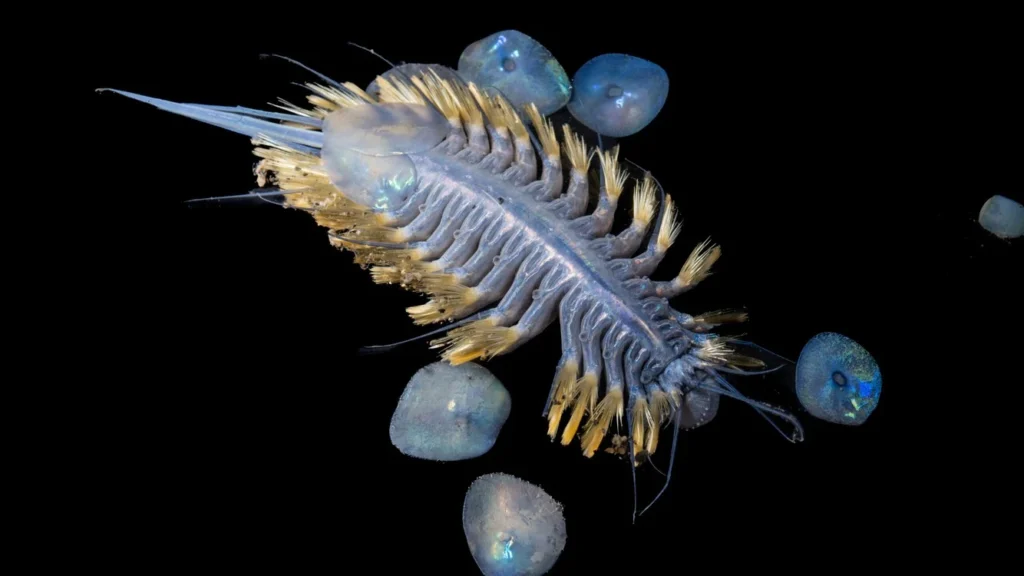
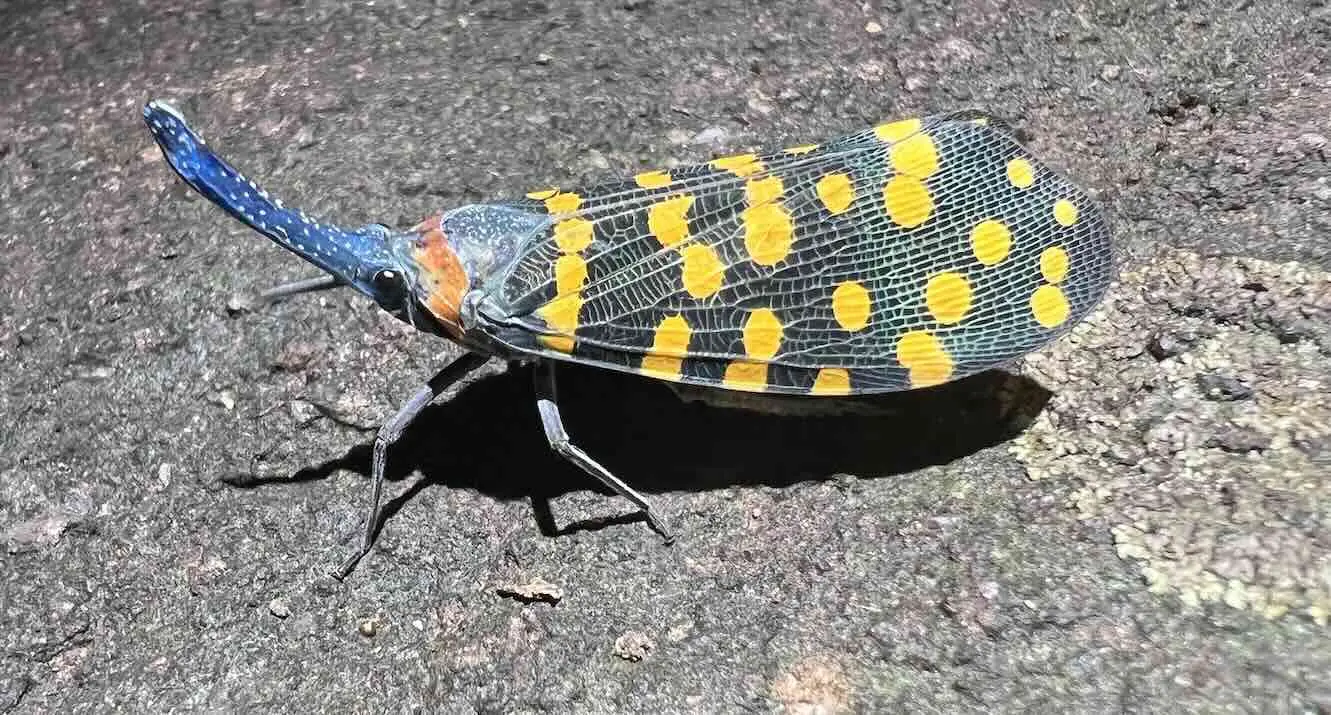
The team examined the taxonomic histories of roughly two million species across all major groups of life. Between 2015 and 2020 alone, scientists formally described more than 16,000 new species each year — including over 10,000 animals (mostly insects and other arthropods), about 2,500 plants, and 2,000 fungi.
What’s more surprising is how this discovery rate compares to extinction. The researchers estimate that only around 10 species go extinct per year — far fewer than the number being identified.
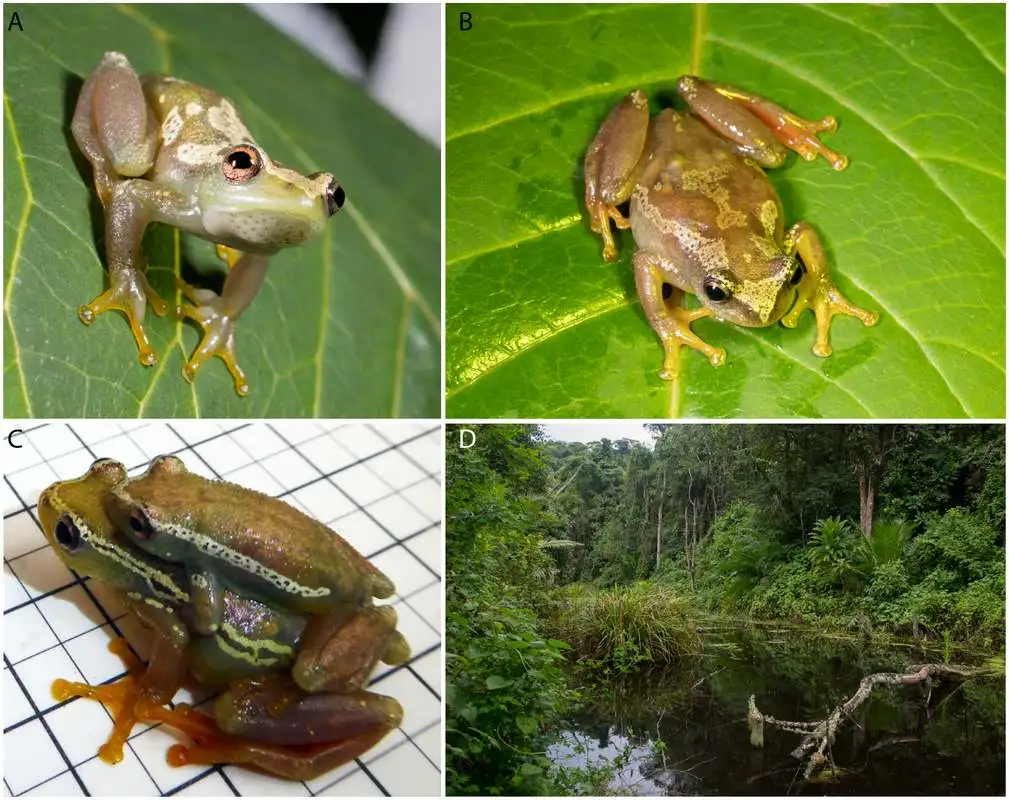
“These aren’t just microscopic organisms,” Wiens said. “We’re finding insects, plants, fungi, and even hundreds of new vertebrates every year — more than at any point in history.”
Using their data, the researchers projected that Earth may host as many as 115,000 fish species and 41,000 amphibian species, far exceeding current counts. The true number of plant species may exceed 500,000.
At present, scientists have formally described about 2.5 million species. But the real total remains a mystery. As ecologist Robert May famously noted, if aliens asked how many species live on Earth, humanity wouldn’t have a definitive answer. Estimates range from tens of millions to even billions.
Advances in genetic and molecular tools are expected to accelerate discoveries even further, particularly for “cryptic” species — organisms that look nearly identical but are genetically distinct. This is especially promising for bacteria and fungi, two groups that remain vastly understudied.
Beyond expanding our understanding of life on Earth, new species discoveries can directly benefit humanity. Many medicines come from natural compounds, including drugs inspired by snake and spider venoms, plants, fungi, and even a hormone found in Gila monsters that led to popular weight-loss treatments.
Nature also inspires innovation beyond medicine. The adhesive abilities of gecko feet, for example, have influenced the design of new materials and technologies.
“We’re still only scratching the surface of what Earth’s biodiversity can offer,” Wiens said.
More than three centuries after Linnaeus began naming species, scientists are still uncovering life at an unprecedented rate — a reminder of how much remains unknown, and how vital it is to protect the extraordinary diversity of life on our planet.