


That many babies is unheard of.
A Moment That Took a Veteran Conservationist’s Breath Away
When Stuart Chapman opened a video sent by a colleague, he didn’t expect to see anything unusual. But seconds in, he found himself frozen in place, staring at something he had never witnessed in more than three decades of wildlife conservation.
An Amur tiger stepped into view — and behind her came cub after cub.
Chapman, who leads WWF International’s global tiger initiative, instinctively began counting.
An Unprecedented Sight in the Wild
“One, two, three, four,” Chapman recalled. “Then I thought I must have made a mistake. And then the fifth cub appeared. I was completely stunned.”
The footage, recorded in November 2025, shows a mother Amur tiger strolling down a forest trail in Northeast China Tiger and Leopard National Park, near the Russian border. Four cubs stay close at her heels, while a fifth lags slightly behind before finally catching up.

According to conservation experts, no documented field observation has ever confirmed an Amur tiger raising five cubs at once.
Why Five Cubs Is Such a Big Deal
Amur tigers — also called Siberian tigers — typically give birth to one to four cubs. Seeing five healthy youngsters together is extraordinary.
Even more impressive is their size. At approximately 6 to 8 months old, all five cubs have survived beyond the most dangerous early period of life, when mortality rates are highest.
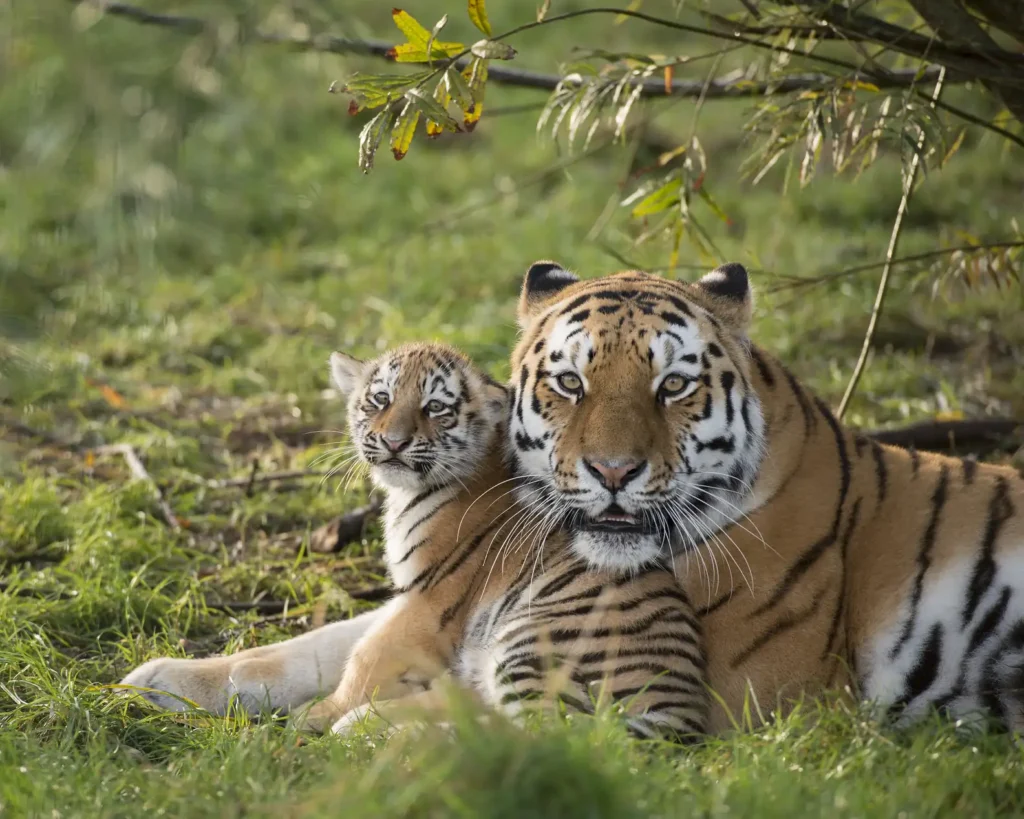
Their healthy appearance suggests that their mother has had access to abundant prey, allowing her to support herself and five growing offspring — a powerful indicator that the ecosystem is thriving.
Proof That Conservation Efforts Are Working
For Chapman, the video represents far more than a rare wildlife moment — it’s living proof that conservation works.
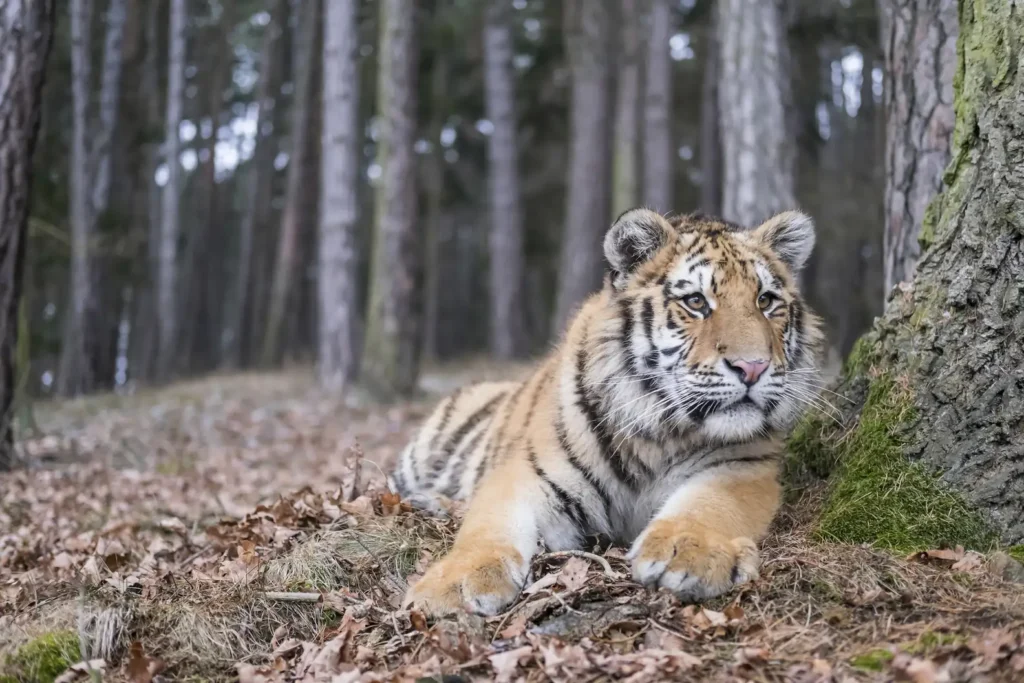
When he began his career in the early 1990s, this region was home to fewer than 20 tigers. Coordinated international conservation efforts launched about two decades ago changed that trajectory.
Today, roughly 70 tigers are believed to roam the area.
Technology Helping Protect Tigers
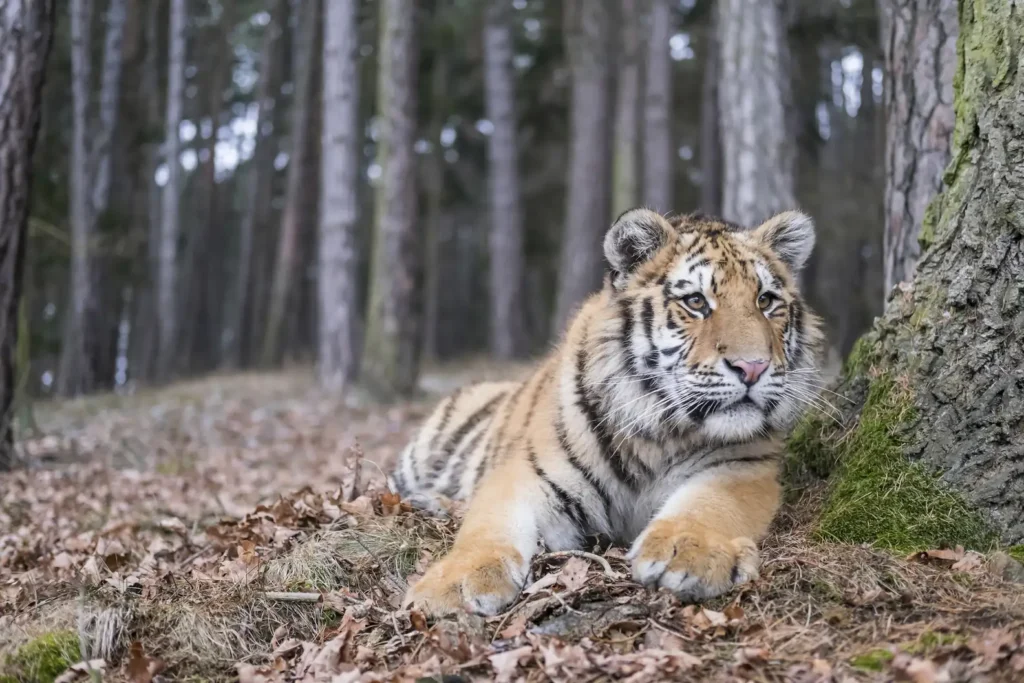
The trail camera that captured the tiger family is part of a broader monitoring network used throughout the park.
“These cameras aren’t just for research,” Chapman explained. “They also act as security systems.”
Park officials can detect suspicious activity in real time, allowing them to stop poachers before wildlife is harmed — a critical tool in protecting endangered species.

A Renewed Sense of Hope
Watching the tiger and her five cubs move confidently through the forest left Chapman feeling optimistic about the future.
“The recovery of tigers in China mirrors what we’ve seen with giant pandas and other rare species,” he said. “Animals that were nearly gone 30 years ago are now making real comebacks.”
For Chapman and conservationists worldwide, this rare family of six isn’t just a wonder — it’s a symbol of hope.