

A Routine Field Day Turns Extraordinary
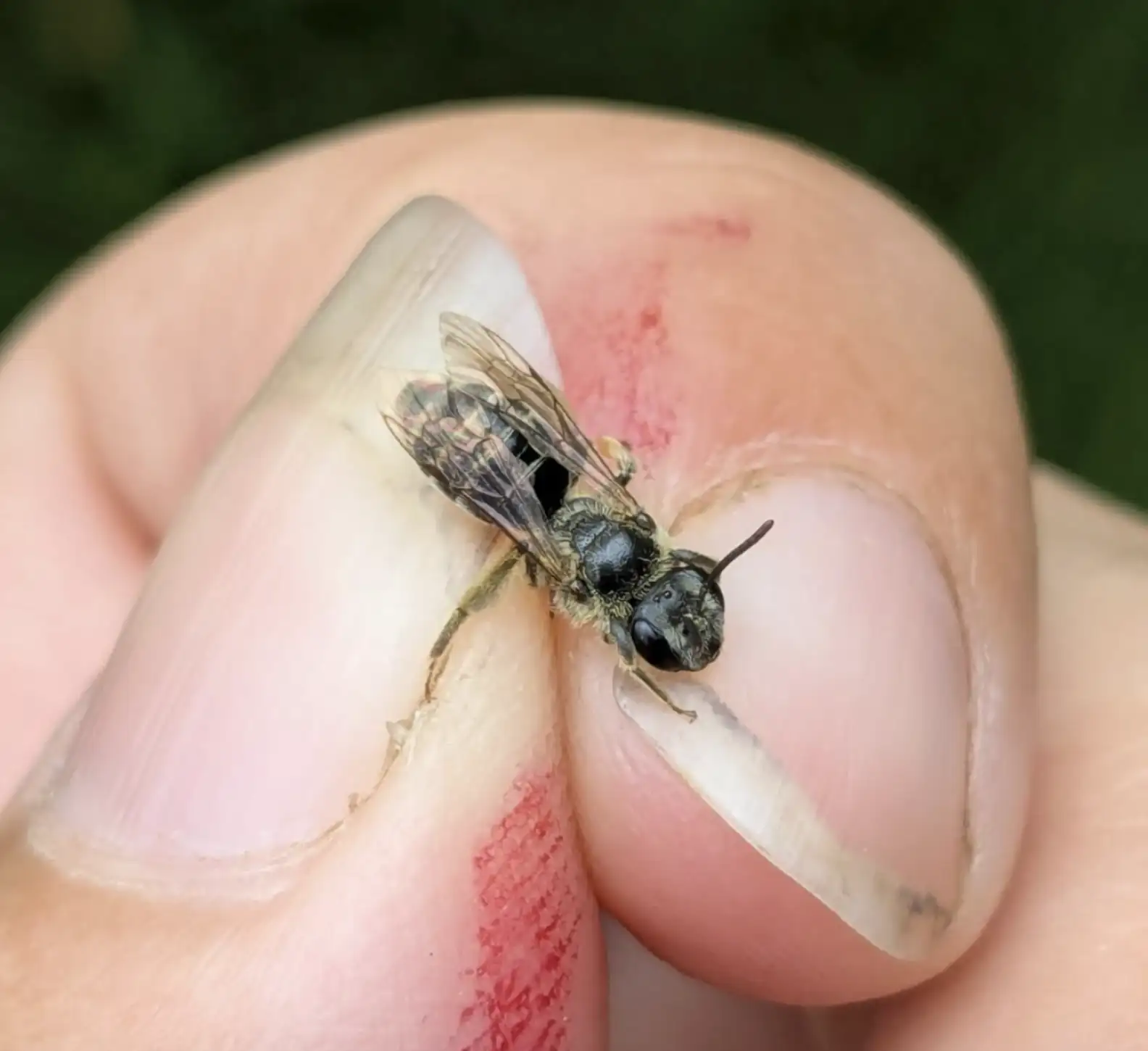
Last summer, SUNY College of Environmental Science and Forestry (ESF) ecologist Molly Jacobson was conducting routine specimen collection at ESF’s orchard in Syracuse, New York, when something unexpected caught her eye.
Flitting between the trees was a small, unassuming bee — but a closer look revealed something remarkable. Jacobson had just encountered a chestnut mining bee, a species so rare it hadn’t been officially recorded in the region before.
A Bee Thought Lost to History
Chestnut mining bees are ground-nesting pollinators with a highly specialized diet. They rely exclusively on the flowers of chestnut and chinquapin trees.
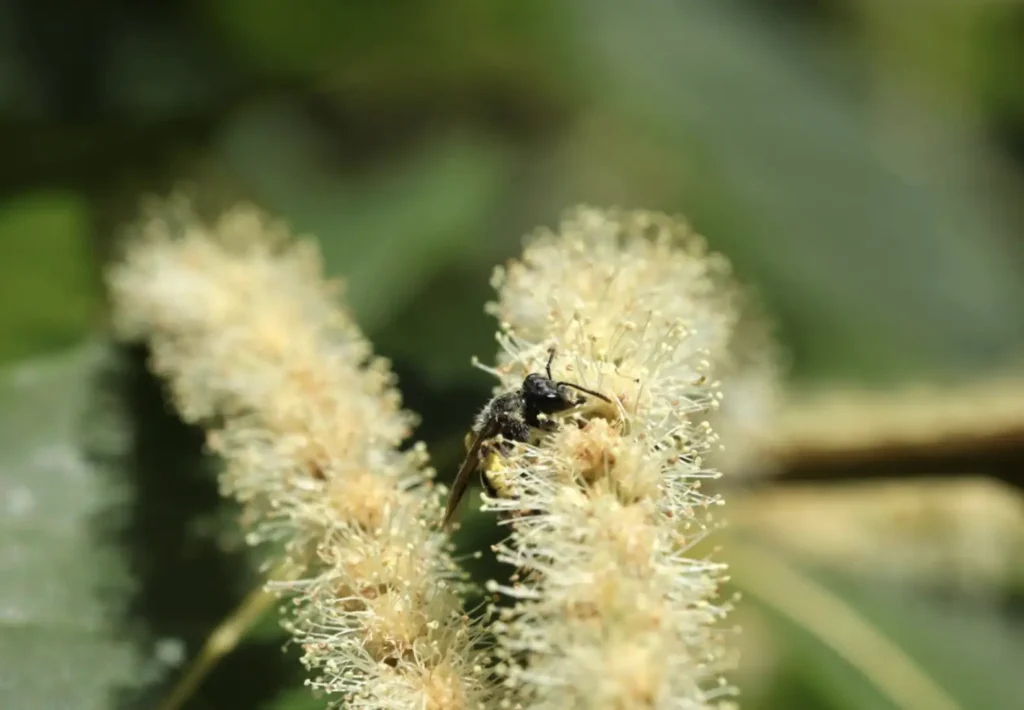
According to an ESF press release, these bees once lived throughout New York. However, in the early 1900s, a devastating chestnut blight wiped out vast numbers of chestnut trees, disrupting the ecosystem and causing the bees to disappear.
The last confirmed sighting of a chestnut mining bee in southern New York occurred in 1904, and for decades afterward, scientists feared the species had been lost entirely.
A Rediscovery More Than a Century Later
That assumption changed in 2023, when Jacobson rediscovered the bees at Lasdon Park and Arboretum, marking their first confirmed appearance in New York in over 100 years.
Then, two years later, she made an even more surprising discovery. While working at the Syracuse orchard — roughly 200 miles north of the Hudson Valley — Jacobson spotted the bees again. This marked the first-ever recorded sighting of chestnut mining bees that far north in the state.
Expanding the Known Range
“This is a significant record,” Jacobson said in the ESF press release. “It broadens our understanding of the bee’s distribution in New York and suggests it can survive in managed orchards, even within urban environments like Syracuse.”
The finding indicates that the species may be more resilient — and adaptable — than previously believed.
Proof That Restoration Efforts Matter
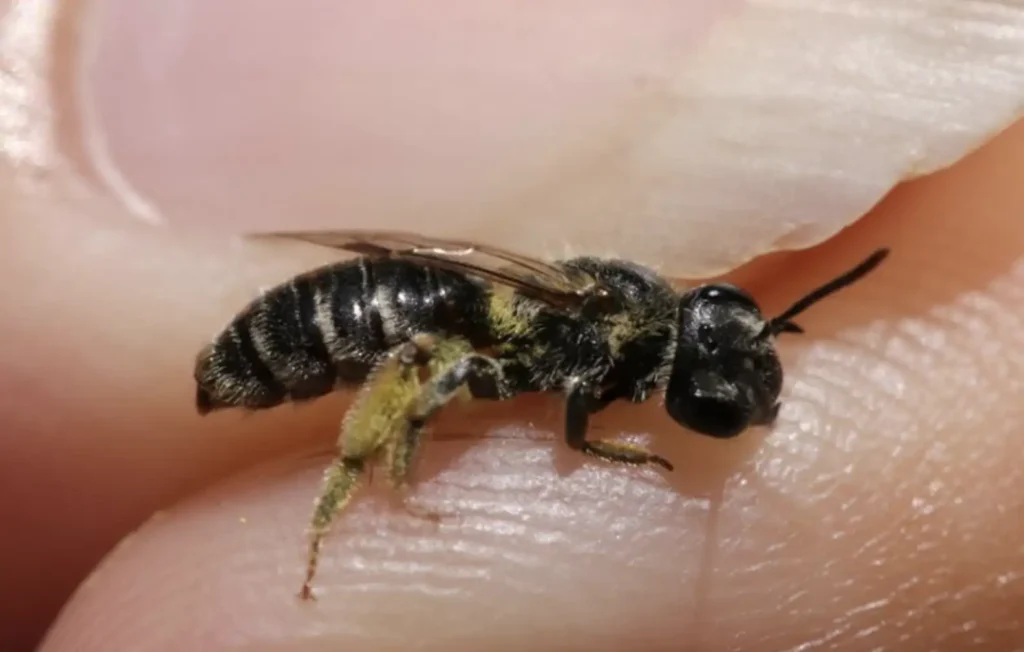
For years, ESF researchers have been planting chestnut trees as part of a long-term chestnut restoration project, aiming to rebuild lost ecosystems and encourage the return of native pollinators.
Jacobson’s discovery provides concrete evidence that those efforts are working.
“The reappearance of the chestnut mining bee highlights the importance of restoring this keystone tree species,” ESF President Joanie Mahoney said. “It’s a powerful example of how targeted conservation can bring back species once thought gone.”
What began as a typical day in the field ultimately became a hopeful reminder that, with patience and persistence, nature can make a comeback.