

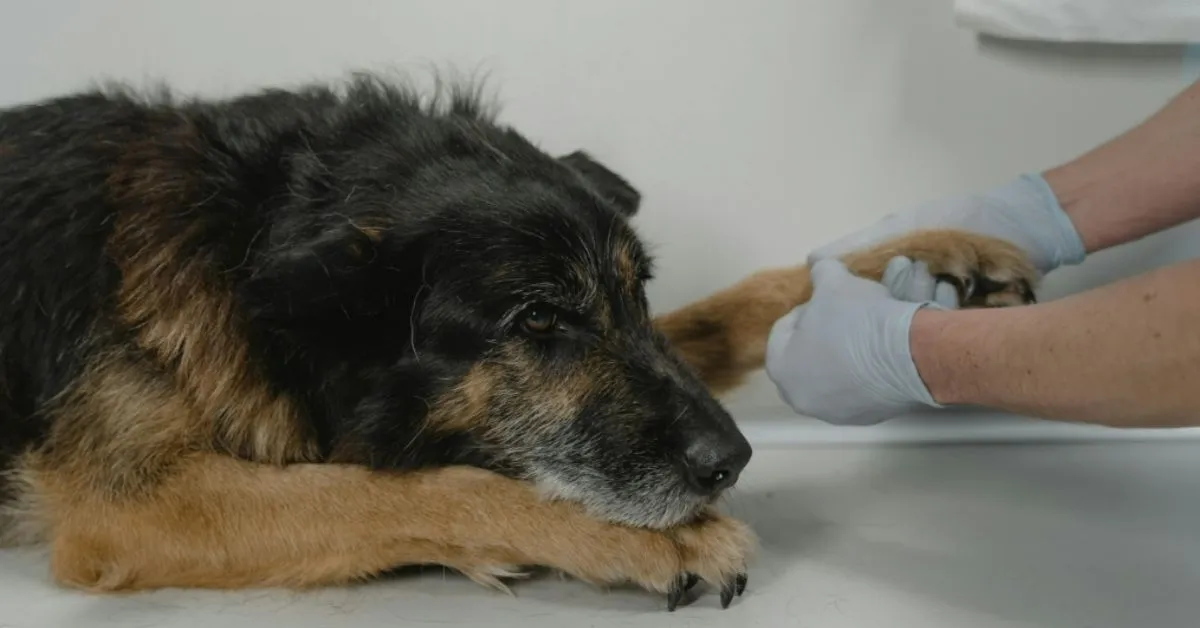
Steve Greig knows heartbreak all too well. In 2012, the Denver retiree lost his beloved dog, Wolfgang, after the 12-year-old pup was struck by a car. The loss left Greig overwhelmed with grief that lingered long after the accident.
Looking for a way to cope, Greig chose compassion. Months later, he walked into an animal shelter and asked to adopt the oldest dog there — an animal he feared might never otherwise experience a loving home.
That decision changed his life. More than a decade on, Greig has welcomed nearly 40 senior dogs into his home, along with a handful of unexpected companions, including a pig named Bikini, a chicken called Betty and a turkey named Cranberry. Many of those animals have since passed away due to age or illness, but Greig takes pride in giving them comfort, dignity and love during their final years.
“At the start, I was hurting deeply,” Greig told Good Morning America earlier this year. “I wanted to turn that pain into something meaningful — to honor the dog I lost by giving others a chance to feel safe and loved.”
Greig’s story resonates with millions. An estimated 86 million households in the United States include pets, and for many people, animals are far more than companions — they are family, emotional anchors and sources of daily comfort.
When a pet dies, the emotional toll can be severe. Research cited by Healthline suggests that people who have recently lost a pet are up to three times more likely to experience symptoms of depression than the general population.
As awareness of this grief grows, a new profession is emerging within veterinary medicine: veterinary social work. Positioned between counseling and clinical care, these specialists support pet owners during some of their hardest moments — waiting through surgeries, facing euthanasia decisions and processing loss as it happens.
“I used to leave work wondering how our clients were coping after they went home,” said Dr. Amy Heuberger, head of MedVet’s Chicago emergency department, in an interview with The New York Times. “Now I know they’re being supported, which allows us to focus fully on treating more animals.”
More than 175 professionals have now earned certification in veterinary social work through the University of Tennessee, Knoxville. According to IndeVets, roughly 200 people across the U.S. currently serve in this role, helping families navigate grief within animal hospitals nationwide.
For some pet owners, healing eventually leads to opening their hearts again — sometimes to one new animal, sometimes to dozens, as Greig has done. But in the most painful moments, when someone sits under the bright lights of a clinic whispering a final goodbye, veterinary social workers are increasingly there to offer comfort — not just for the animals, but for the humans who love them too.