

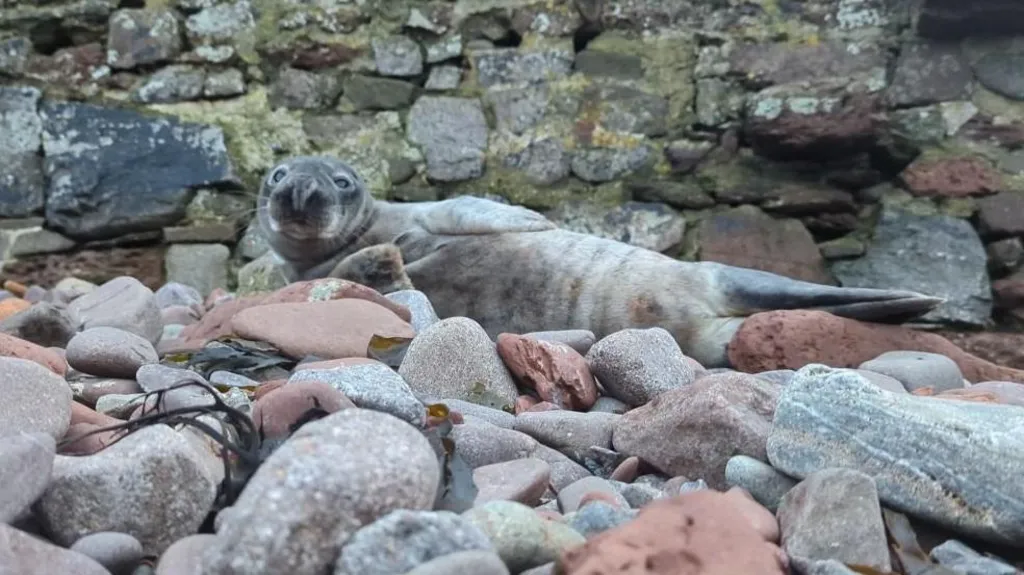
A grey seal pup is recovering under specialist care after being found dehydrated and severely underweight following an extraordinary 120km (75-mile) journey along the coast.
The RSPCA said the young seal was discovered at St Brides Bay in Pembrokeshire, Wales, having travelled from Cornwall over the course of four days. The pup was spotted resting on rocks on 11 December, fully weaned but noticeably thin and in poor condition.
Concerned for his welfare, rescuers removed the seal from the beach and provided immediate treatment, including electrolyte fluids and fish administered via feeding tubes. He was then transferred to the RSPCA’s West Hatch Wildlife Centre in Taunton, Somerset, where staff named him Muse.
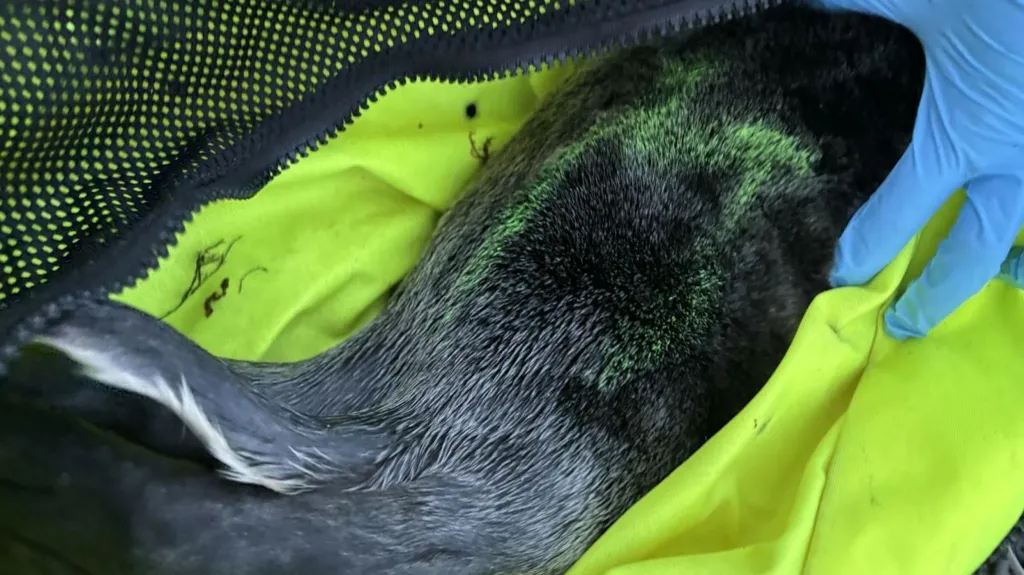
Rescuers noticed distinctive marks on Muse’s back that resembled spray markings typically used by the RSPCA to identify seals that have already been assessed. However, the markings were a different colour, prompting further investigation.
Ellie West, an RSPCA animal rescue and wildlife officer, contacted British Divers Marine Life Rescue (BDMLR), which confirmed the seal had previously been checked and marked on 7 December at Port Gaverne in north Cornwall.
“In the four days after this, he made his way to St Brides Bay — travelling almost in a straight line and covering a distance of around 120km,” Ms West said. “That is an incredibly long swim for such a young pup.”
Ms West said Muse was clearly struggling when he arrived. “The pup was dehydrated and in a thin body condition, with obvious rolls of skin that should have been filled with fat and blubber,” she said.
Despite his ordeal, Muse is now responding well to treatment. “I’m pleased to say he is doing really well,” Ms West added. “He’s feeding well and steadily gaining the weight he needs.”
Seal pups undergoing rehabilitation at RSPCA West Hatch can remain at the centre for several months while they regain strength and develop the fat reserves needed to survive in the wild.
“Hopefully it won’t be too long before Muse is strong enough to be released back into his natural habitat,” Ms West said.