

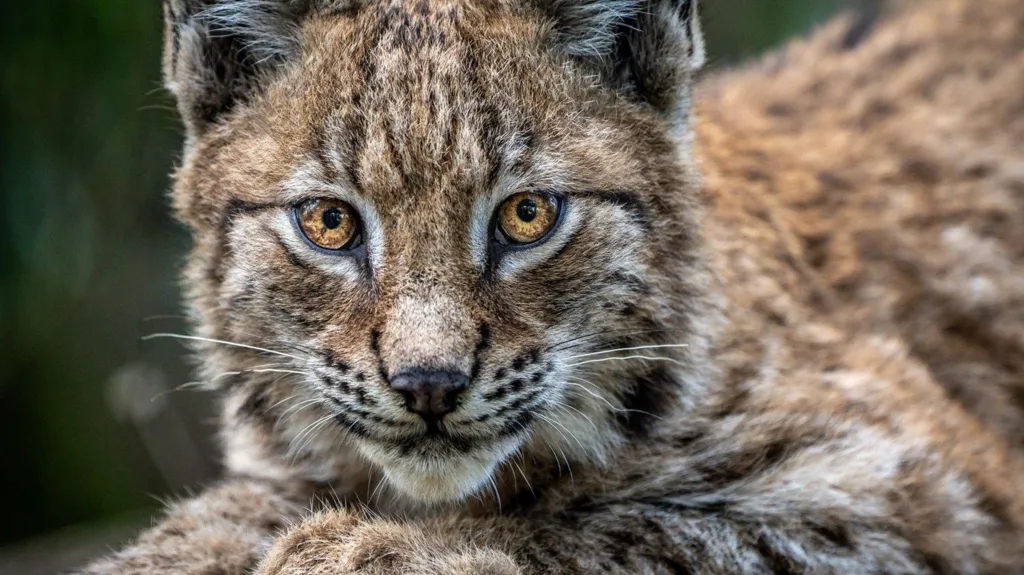
Council Leader Warns Lynx Reintroduction Could Threaten Farmers’ Livelihoods
Plans to reintroduce lynx to Northumberland have met resistance from local leaders, who fear the return of the wild predators could place additional strain on traditional hill farmers.
Richard Wearmouth, the Conservative deputy leader of Northumberland County Council, said bringing back the long-extinct species could endanger rural livelihoods.
The debate follows the Woodland Trust’s unveiling of a new lynx enclosure at its Woodland Discovery Park in Herne, near Canterbury. The facility has been created to support breeding programs in preparation for potential releases into the wild.
The Missing Lynx Project, led by the Lifescape Project, is spearheading efforts to restore the species to parts of the UK, with Northumberland identified as a key region. A recent consultation showed that 72% of respondents across the area support the reintroduction.
Supporters of the plan argue that lynx, once native to Britain before disappearing 500–1,000 years ago, could play an important ecological role by helping to control deer populations and restore balance to woodland habitats.
However, opponents — including Wearmouth — have voiced concerns that the predators could pose risks to livestock.
“It would be a definite no from the council if we have anything to do with it,” Wearmouth told the Local Democracy Reporting Service. “It’s a nice, romantic idea, but people still have to make their livelihoods. Hill farming is already tough enough without reintroducing an apex predator. It’s people’s livelihoods at stake.”
Despite these concerns, Dr. Deborah Brady, lead ecologist for the Lifescape Project, has said the risk to livestock is expected to be “reasonably low.”
The Lifescape Project began exploring the feasibility of reintroducing lynx in April 2021. According to its findings, north-west Northumberland and the border areas between Cumbria and Scotland offer the kind of extensive forest habitats the species needs to survive and thrive.
Mike Pratt, chief executive of the Northumberland Wildlife Trust, has previously supported considering the reintroduction, arguing that it could be a step toward restoring the region’s lost biodiversity.