

Yellowstone’s Wolves: How Science, Sound, and AI Are Helping Us Understand Nature’s Voice
Yellowstone National Park — founded in 1872 as America’s first national park — has always been home to the wild and untamed. Long before its designation, gray wolves thrived across its vast valleys and forests, their presence in the region dating back thousands of years according to fossil records.
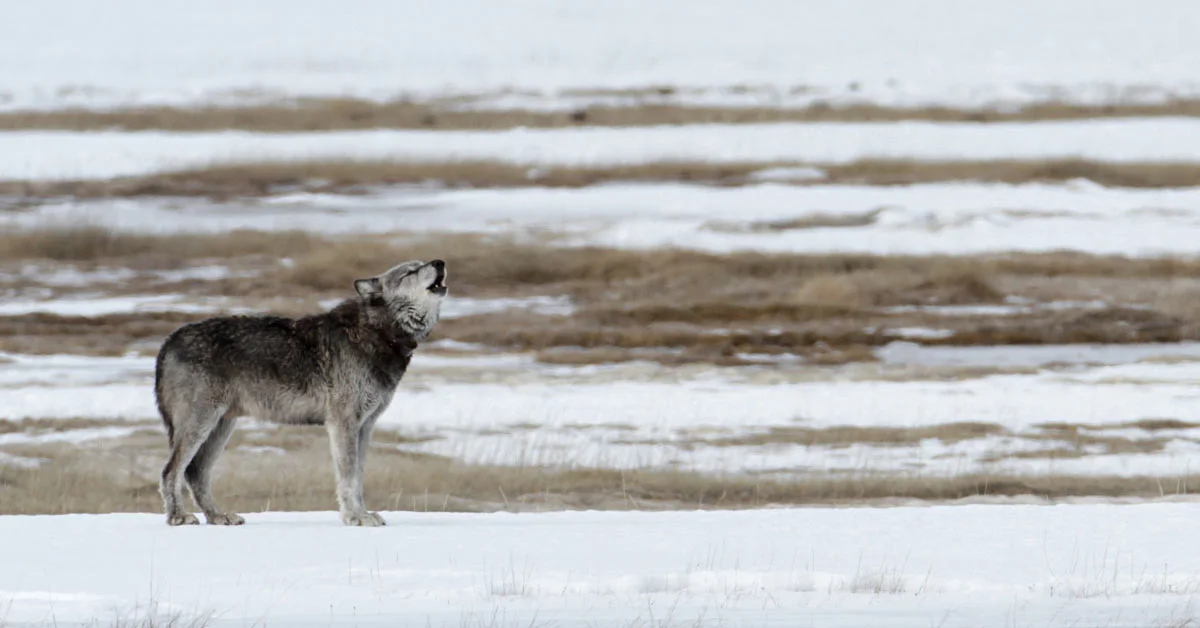
Jeff Reed, a biolinguistics researcher, says that when wolves howl, the message is simple: “Here I am — where are you?” Their calls are more than noise; they’re communication, a way of defining territory and connection.
In the park’s early years, however, wolves weren’t seen as vital to the ecosystem. Early 20th-century park managers misunderstood their role, labeling them as dangerous predators. Aggressive hunting soon followed — and by the 1940s, wolves had all but vanished from Yellowstone and most of the continental United States.
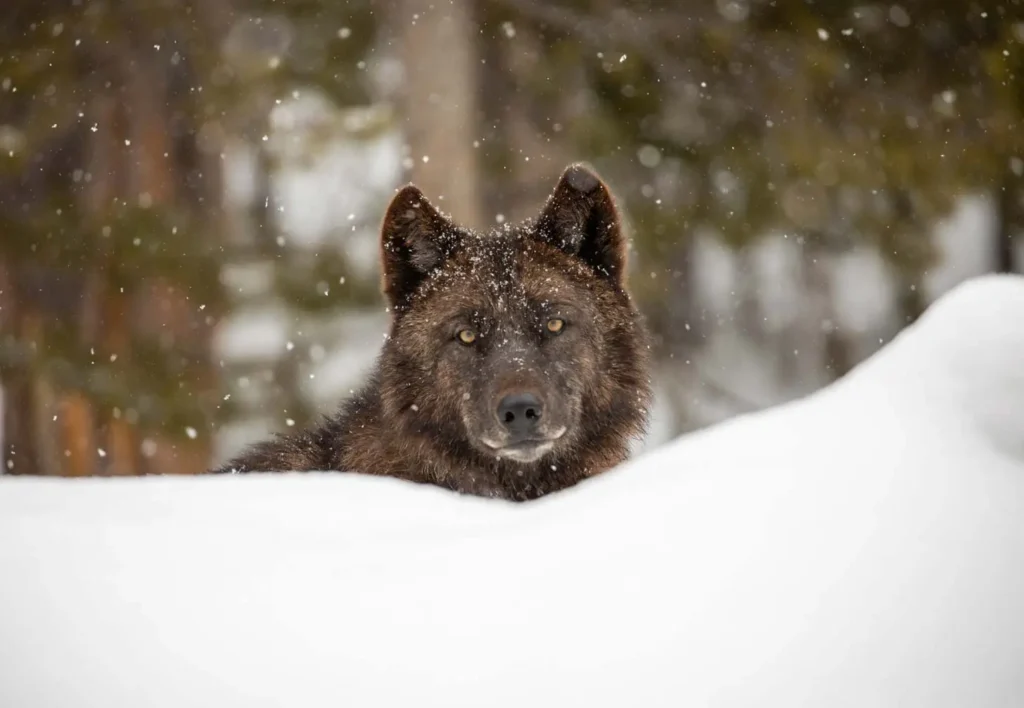
It wasn’t until the 1990s that the species began to make a comeback, thanks to reintroduction programs, conservation efforts, and stricter wildlife management. Still, the road to recovery has been rocky, with lingering fears about livestock losses and impacts on rural life slowing progress.
Reed believes that part of the problem is a lack of solid data. Through The Cry Wolf Project — a bioacoustics and AI-driven research initiative he founded — Reed and his team are helping scientists and policymakers understand wolf populations more precisely than ever before.
The project has built the world’s largest database of wild wolf vocalizations, using camouflaged, battery-powered autonomous recording units (ARUs) to capture the sounds of wolves in their natural habitats.
Once collected, these recordings are turned into visual sound maps called spectrograms. Artificial intelligence then analyzes them to detect patterns — identifying how many wolves are in an area, where they’re located, and even what they might be communicating.
“Every six kilometers, we’ve got recorders running around the clock,” Reed told Good Good Good. “We already know that wolves can estimate the number of rivals howling in another pack. Our goal is to see if we can count them accurately using only audio.”
The project operates independently of federal agencies and receives support through Yellowstone Forever, the park’s nonprofit partner. Although recent funding cuts have disrupted some programs, Reed remains committed to continuing the work.
With wolves still managed differently across state lines — and facing potential removal from the federal Endangered Species Act — his research could play a vital role in ensuring their long-term survival.
Unlike camera traps, which can only detect wolves nearby, ARUs can “listen” from up to six miles away. This makes them an inexpensive, powerful tool for wildlife management based on real, data-driven insights.
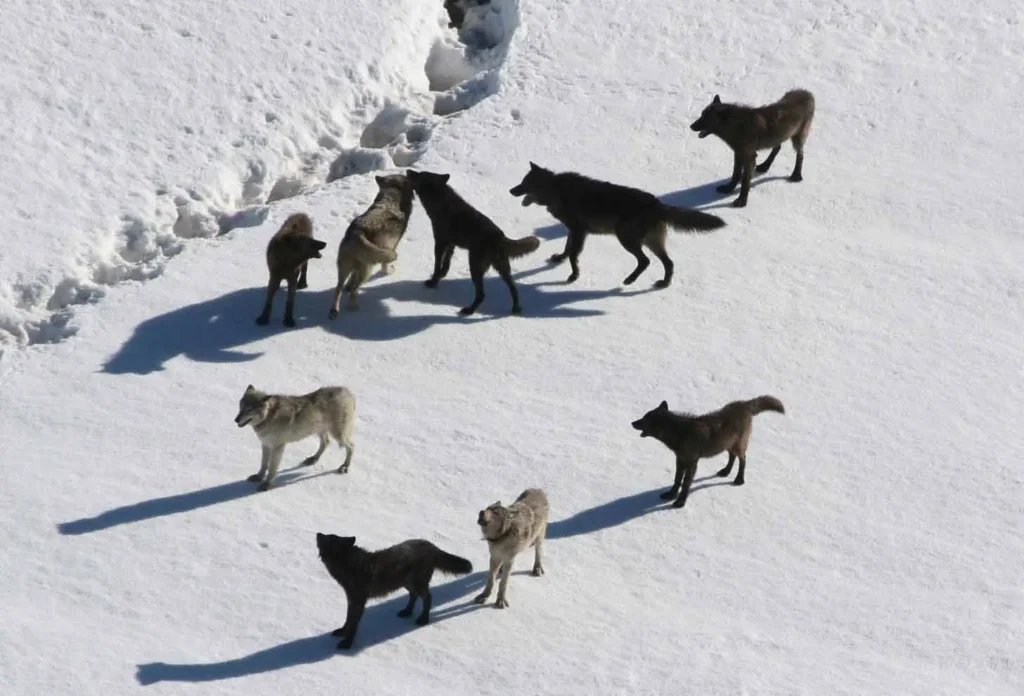
The project also has practical benefits for ranchers. Currently, farmers use Radio-Activated Guard (RAG) boxes that flash lights and play loud noises to scare wolves away. Reed’s team wants to take that idea further: instead of blaring rock music, they’re experimenting with playing actual wolf sounds.
“If you’re going to think like a wolf,” Reed joked, “why not speak like a wolf?”
Looking ahead, he envisions the same acoustic technology being used to detect illegal hunting, logging, or wildlife trafficking in other protected regions.
Beyond its scientific and conservation value, Reed admits his motivation is also rooted in fascination. Wolves communicate with a rich vocal language — howls, whines, whimpers, and even playful “I love you” calls used during social bonding.
As Dr. Dan Stahler, Yellowstone’s senior wolf biologist, said:
“Nothing defines a wolf more than its howl. It’s emotional, powerful — a sound that’s stayed with humanity for millennia.”
Reed agrees. “Almost every creation story speaks of a time when humans and animals could communicate,” he reflected. “We may not have Google Translate for wolves, but we do have the ability to listen — and that’s where understanding begins.”