

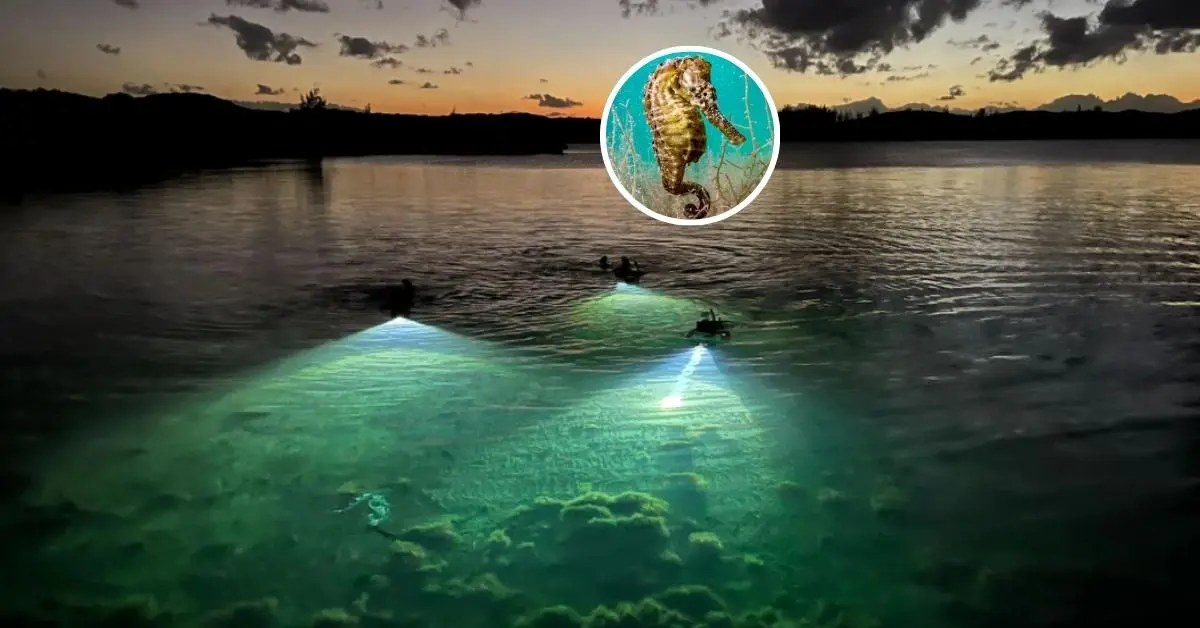
About 70 miles east of Nassau sits Eleuthera, a narrow island stretching roughly 110 miles long. From the air, its curved outline looks strikingly similar to a seahorse — an appropriate coincidence, given that the island is now home to the world’s first national park dedicated to seahorses.
Located at Sweetings Pond and the Hatchet Bay Caves, the newly designated park covers 548 acres. It safeguards both Sweetings Pond — a rare, landlocked saltwater lagoon rich with marine life — and Hatchet Bay Cave, one of the longest dry cave systems in The Bahamas.
Sweetings Pond is believed to host the largest known population of seahorses anywhere in the world. The Cove Eleuthera, a nearby resort that offers guided experiences at the site, emphasized the importance of preserving the area while sharing it with visitors.
“As we invite guests to experience this extraordinary place, we remain deeply committed to protecting this delicate ecosystem for generations to come,” the resort said.
Marine ecologist Heather Mason, who works alongside the Bahamas National Trust, leads approved swimming excursions that introduce visitors to seahorse conservation. During these outings, guests learn how to spot the elusive creatures as they glide through the pond’s glowing, bioluminescent waters.
“Often, you’ll only notice a small detail at first — maybe a curled tail or a tiny snout,” Mason told AFAR. “Seahorses are incredibly skilled at blending in. They can shift their color to match their surroundings.”
The lagoon is set to open to the public for the first time in June 2026. According to The Cove Eleuthera, the four-day experience will allow guests to snorkel in calm, protected waters while observing seahorses up close and learning about conservation efforts through guided tours and educational sessions.
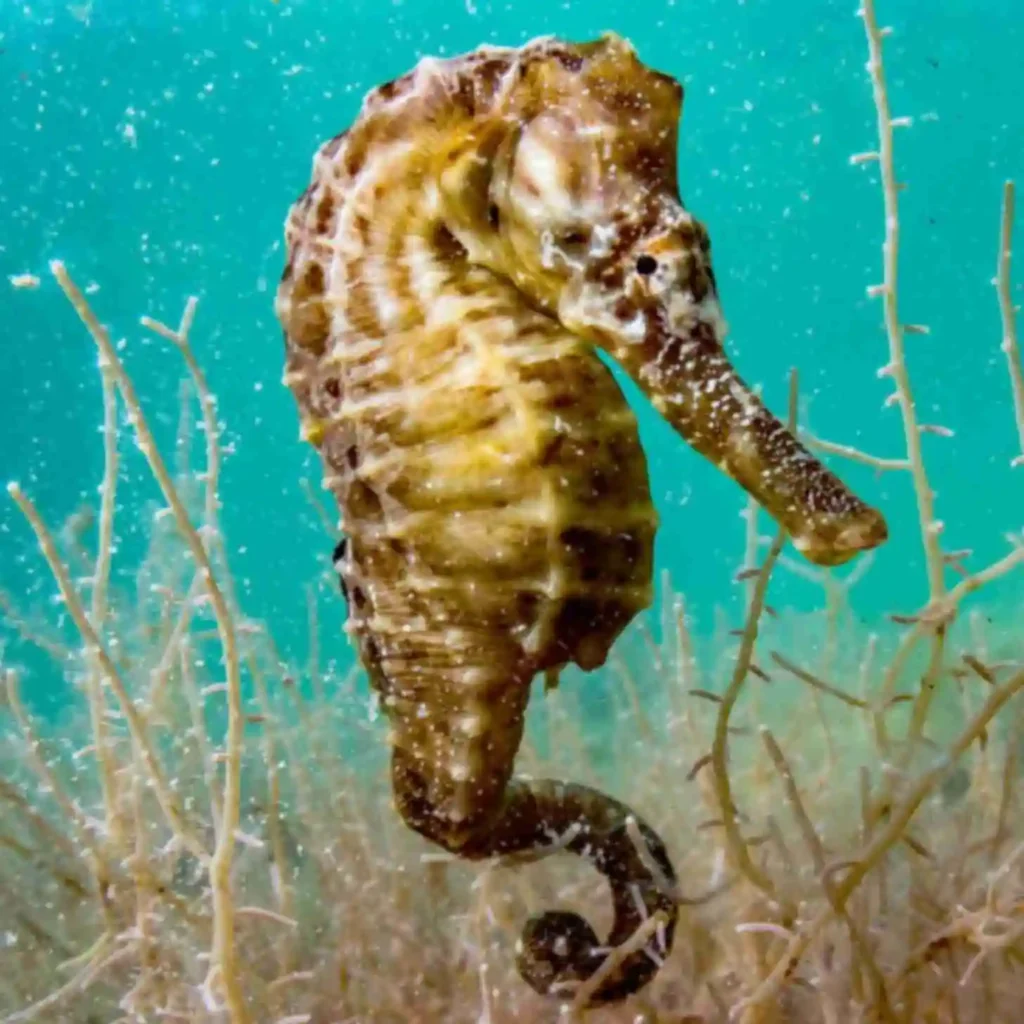
Lined seahorses, the species found in Sweetings Pond, range widely throughout the western Atlantic — from Canada’s Nova Scotia coastline to Uruguay. Despite this broad distribution, they are listed as “vulnerable” on the International Union for Conservation of Nature’s Red List.
Their slow movement and small size make seahorses especially sensitive to environmental threats, including pollution, coastal development, dredging, and fishing practices like trawling. Their distinctive appearance has also made them targets for illegal aquarium trade.
The creation of the national park follows more than ten years of research and advocacy led by Mason and her collaborators at the Bahamas National Trust.
When the park was announced, philanthropist Oscar Tang reflected on how the project aligns with Eleuthera’s natural spirit, calling it a meaningful way to honor the island’s environmental heritage.
Travel writer Vanita Salisbury later described her own experience snorkeling after sunset with Mason’s research team in an article for AFAR. She wrote that seahorses appeared everywhere her light touched, clinging upright to plants and drifting gently as if suspended in time.
Salisbury also noted that nighttime transforms the pond into a vibrant underwater scene, with octopuses, crabs, and bursts of glowing bioluminescence turning the dark water into something magical — a spectacle that left even adults feeling like wide-eyed kids.