

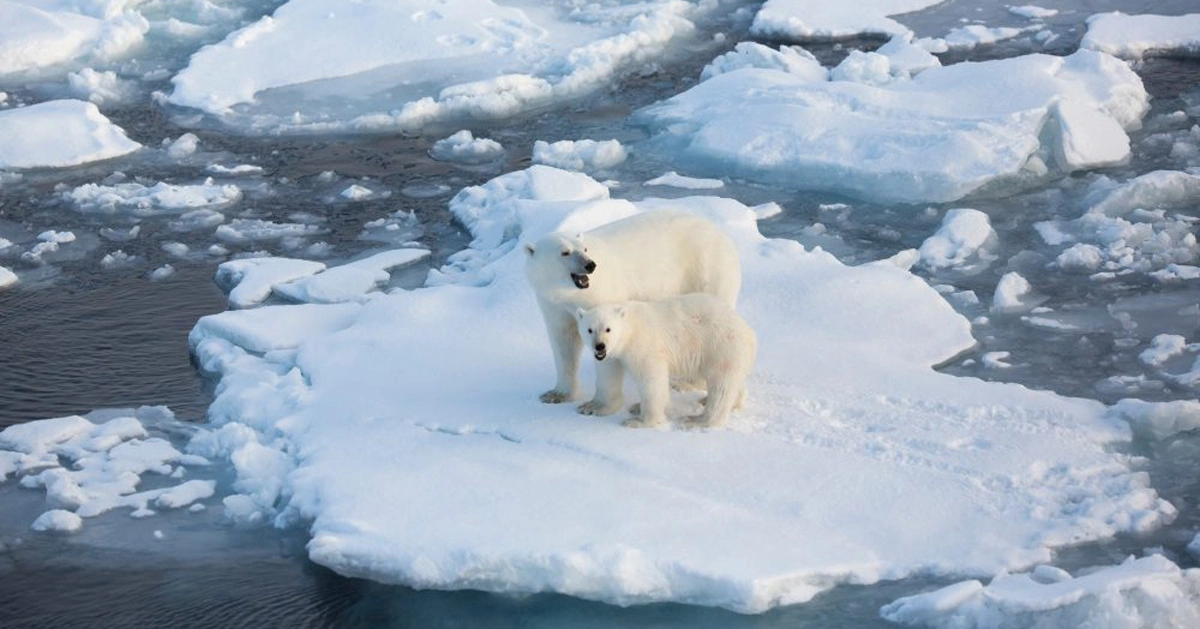
As climate change is often visualized through the image of a thin polar bear stranded on shrinking ice, it is easy to assume every population is already declining in the same way. But in Svalbard, a Norwegian archipelago in the Barents Sea, one group of polar bears appears to be responding to these changes more successfully than expected.
Over a 24-year period, researchers collected around 1,000 body measurements from 770 polar bears living around Svalbard. During that time, sea ice in the region declined sharply. Even so, the bears did not show the drop in physical condition that scientists had anticipated.
That does not mean the bears were unaffected. Some changed where they denned, while others shifted their range in response to the retreating ice. And researchers caution that these findings should not be taken as proof that polar bears as a whole are safe from climate-related habitat loss.
Svalbard has long had strong protections for polar bears. The species has been protected internationally since 1973, and hunting has been banned in the archipelago since then as well. Local environmental rules also forbid disturbing or pursuing polar bears without reason. More recently, stricter distance regulations were introduced, requiring people to stay at least 300 meters away from the animals year-round, with even greater separation during the mating season.
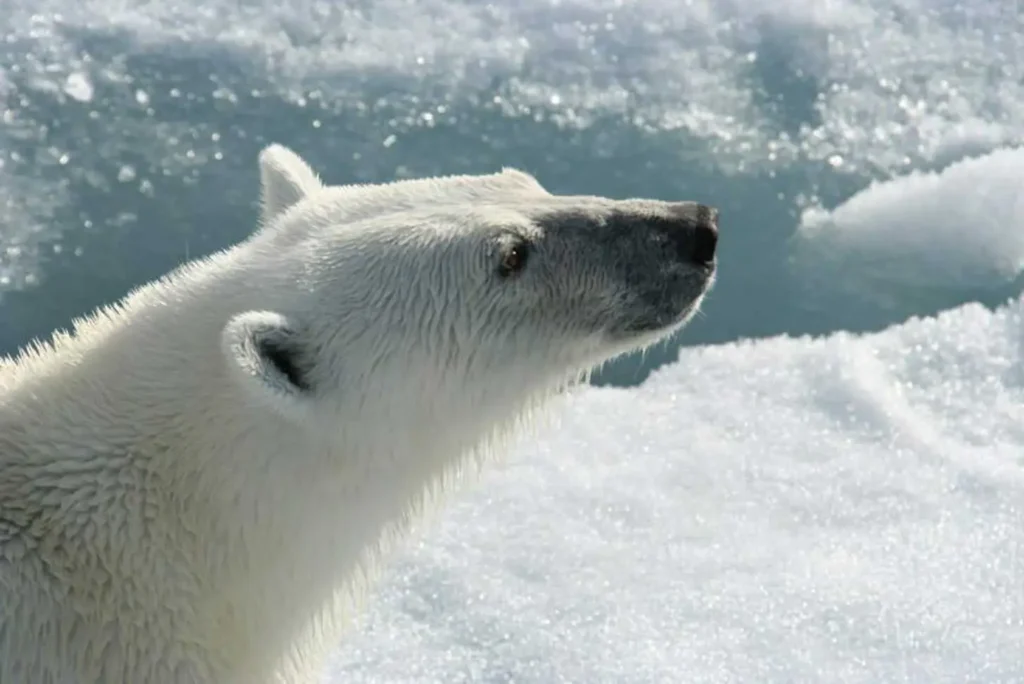
Still, in Svalbard today, reduced sea ice may be creating some unexpected hunting opportunities.
Researchers have not yet pinned down the full explanation, but they suspect the bears may be adjusting their diets. With less ice available, seals can become more concentrated in certain areas, possibly making them easier to catch. Scientists also believe the bears may be feeding more often on walrus carcasses, reindeer, birds, and eggs.
According to Norwegian Polar Institute researcher Jon Aars, the bears are spending far more time on land because sea ice is absent for much of the year, yet they are not appearing to suffer physically because of it. He said that once they survive the hardest early years of life, they still continue to mature, reproduce, and live into old age.
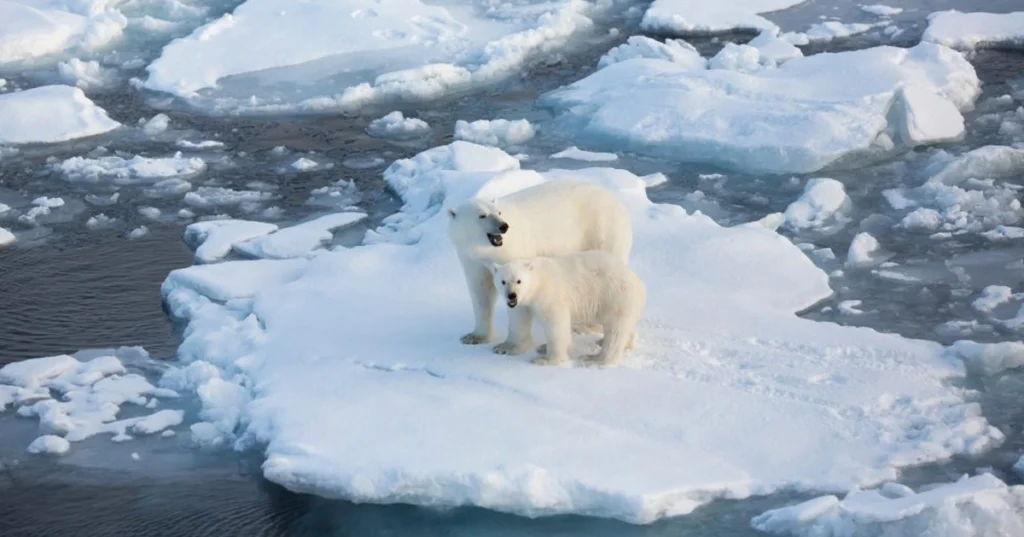
Aars also noted that while the bears now have a shorter season for hunting ringed seals on the ice, they seem to be compensating by broadening what they eat. In some areas, harbor seals have become more common prey, and polar bears are also being seen hunting reindeer more often than before.
Similar patterns have been observed in another polar bear population in the Chukchi Sea, between Alaska and Russia, where the animals also appeared to maintain relatively good health despite substantial sea ice loss.
Even so, scientists stress that this does not mean the bears are thriving because of climate change. It simply suggests that some populations may be more flexible and resilient in the short term than previously thought.
Researchers say continued monitoring is essential, since the next several years could still bring more severe declines. For now, though, there is at least some reason for cautious hope: these bears are still holding on.