

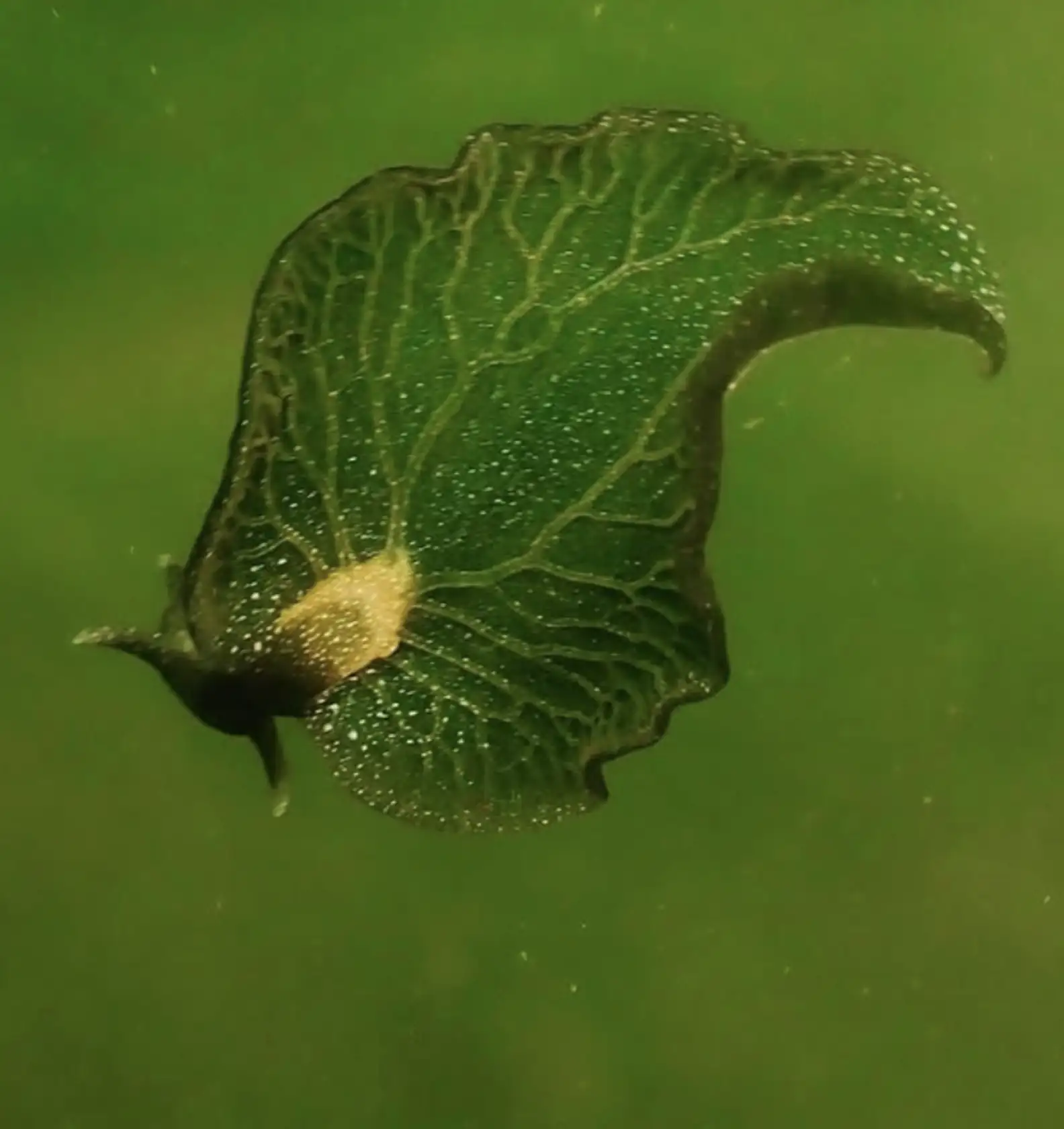
She couldn’t believe her eyes.
Jill Taylor, a puffin researcher based in Nova Scotia, Canada, spends much of her time exploring the chilly waters of the North Atlantic. After countless snorkeling trips, she thought she knew most of the marine life in her area.
Then her friend Elli mentioned something unusual she’d spotted underwater: vivid green sea slugs called Eastern emerald elysia.
Taylor had never seen them before — and what she learned next amazed her.
A Sea Slug That Can Photosynthesize
The eastern emerald elysia is native to the Atlantic coastline and stands out because of its brilliant green color. However, its appearance isn’t the most extraordinary thing about it.
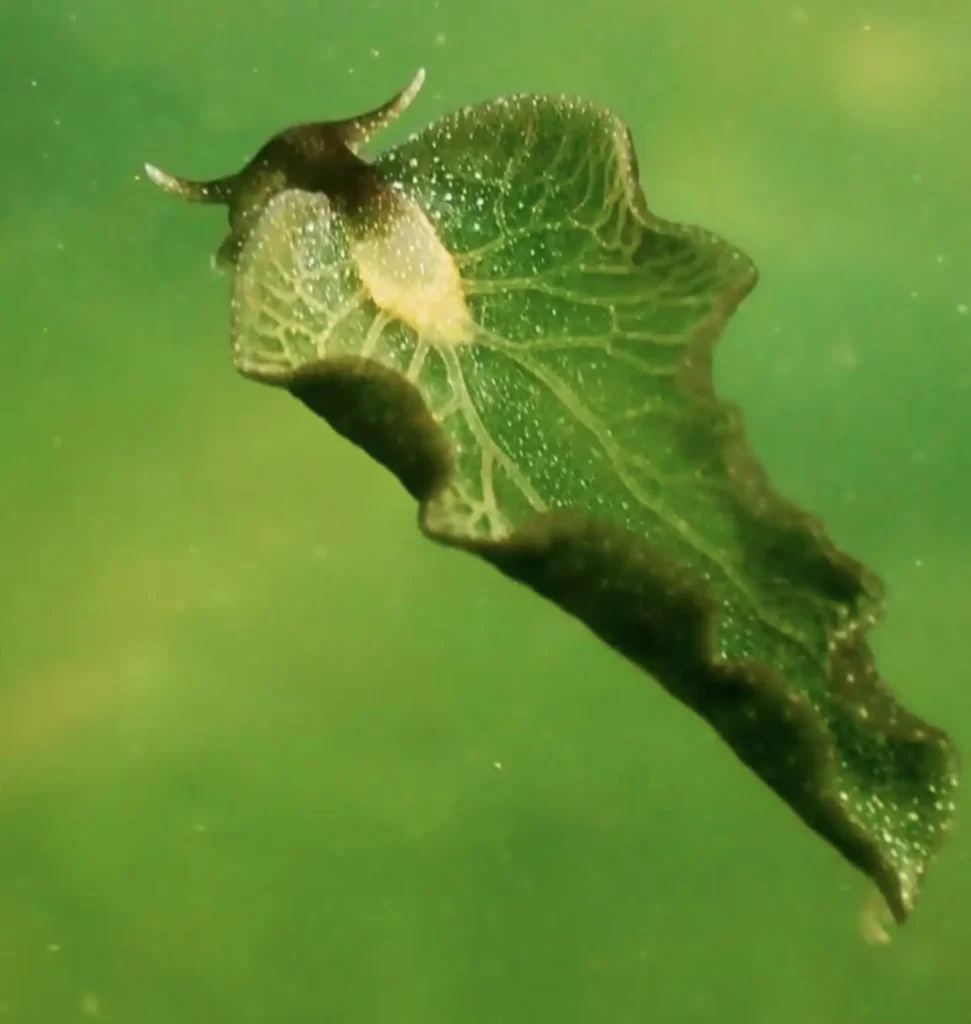
Unlike most animals, this sea slug can photosynthesize.
Photosynthesis is the process plants and algae use to turn sunlight into energy. They rely on specialized structures inside their cells called chloroplasts to capture light. Remarkably, when eastern emerald elysia feed on algae, they absorb those chloroplasts and store them in their own cells.
“They actually steal the chloroplasts from the algae,” Taylor explained. “And with these chloroplasts, they incorporate it into their own cells, which allows them to photosynthesize.”
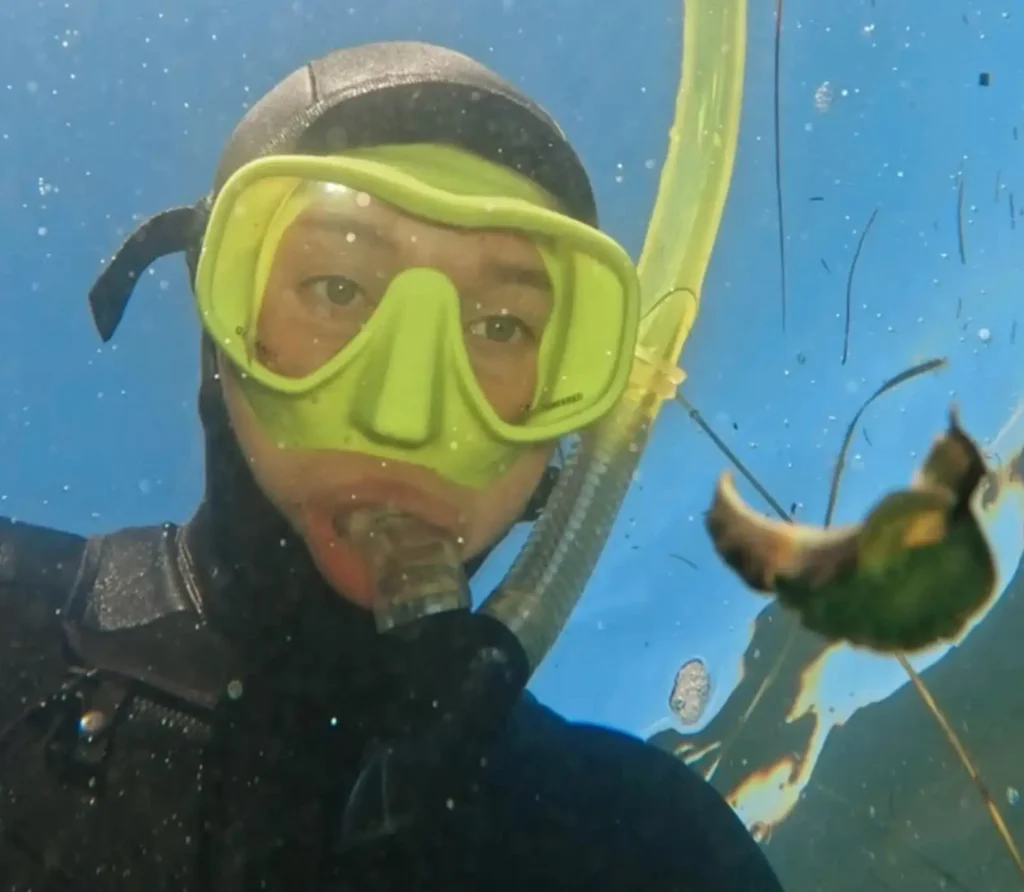
In other words, they become partially solar-powered.
A Freezing Dive With A Big Surprise
Determined to see these creatures herself, Taylor went snorkeling last November, plunging into 37-degree Fahrenheit water without hesitation.
While swimming, she noticed what looked like a small brownish-green speck drifting nearby.
“At first, it kind of just looked like a piece of leaf or debris,” she said. “I almost swam right past it.”
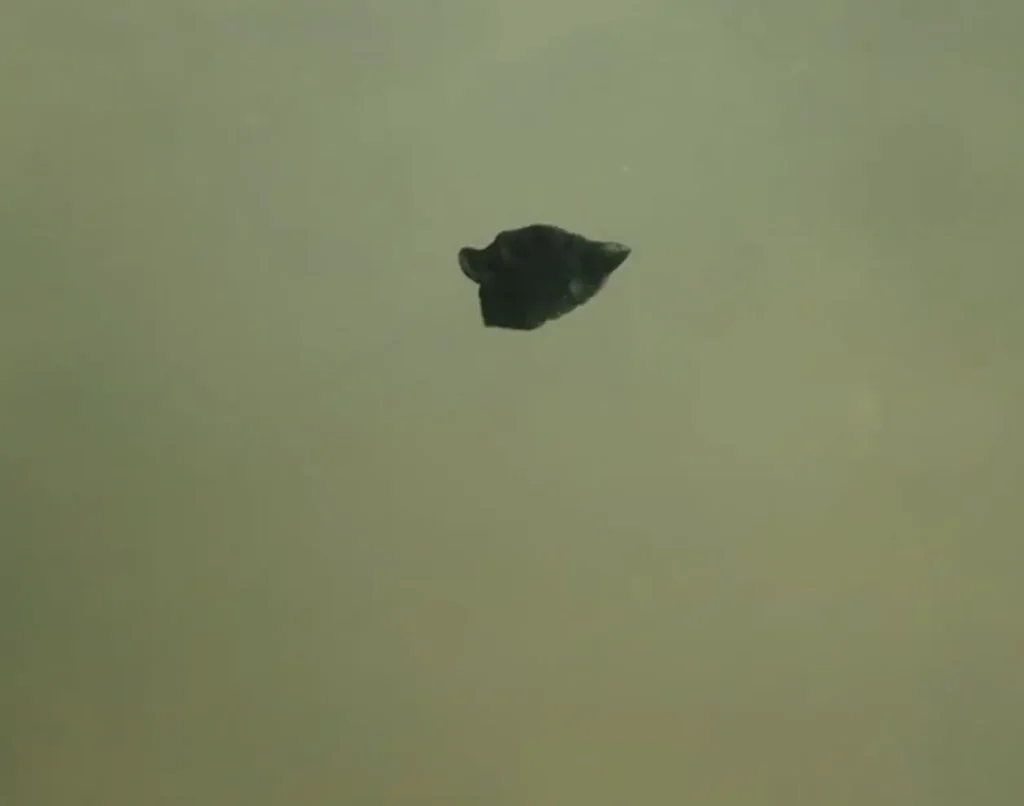
Then she looked closer.
The “leaf” was actually an eastern emerald elysia.
Soon after, Taylor discovered a patch of bright green algae — and hundreds of the slugs clustered there. Unlike the first one she saw, which had been curled up, these were fully unfurled, displaying backs that looked exactly like glowing green leaves.
“It literally looks like a leaf — and not just any leaf, but this bright green, absolutely gorgeous leaf,” Taylor said. “It looks like some kind of cool alien or something a child would have drawn.”
An Unforgettable Day In The Water
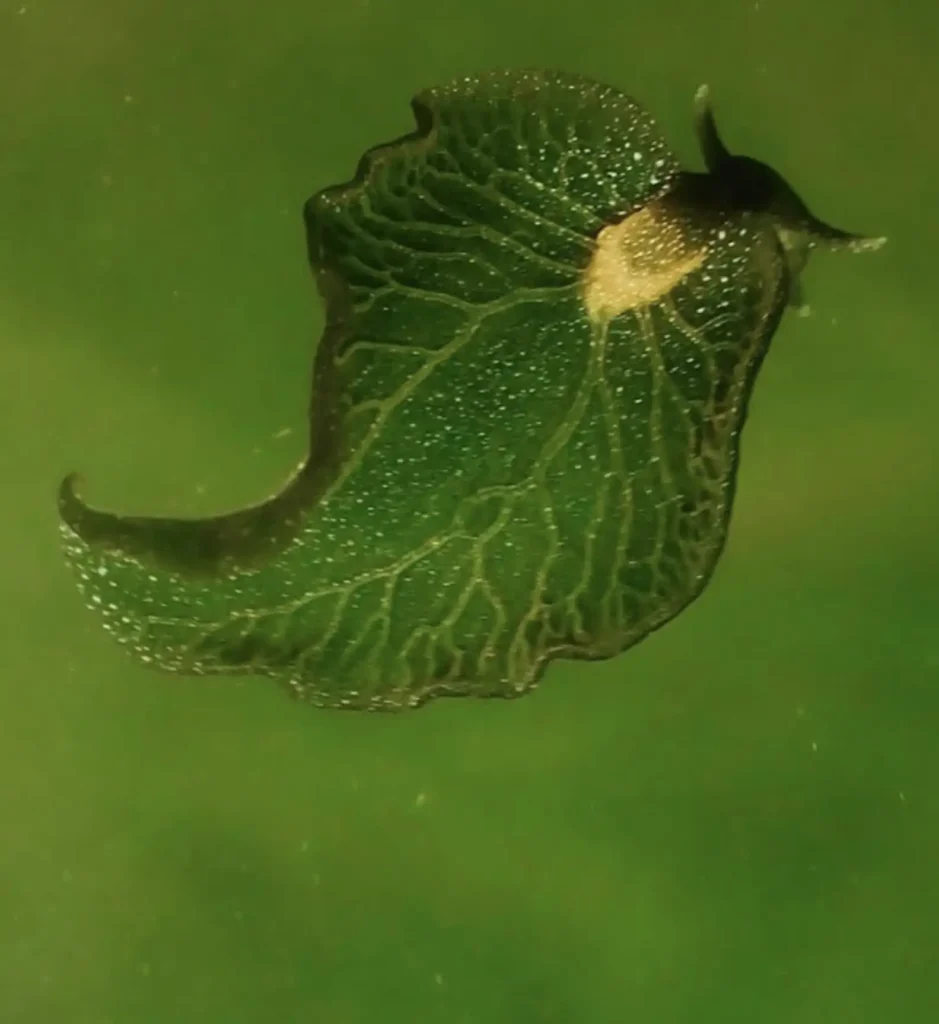
Taylor lingered, watching the slugs feed on algae and drift gently in the current. Seeing such a rare biological phenomenon firsthand left her exhilarated.
“It was a very exciting day in the water, that’s for sure,” she said.
Even for someone who spends her life studying wildlife, nature still has a way of delivering astonishing surprises — sometimes disguised as floating leaves in icy Atlantic waters.