

Most people are familiar with blue whales and bottlenose dolphins, but have you ever heard of the vaquita?
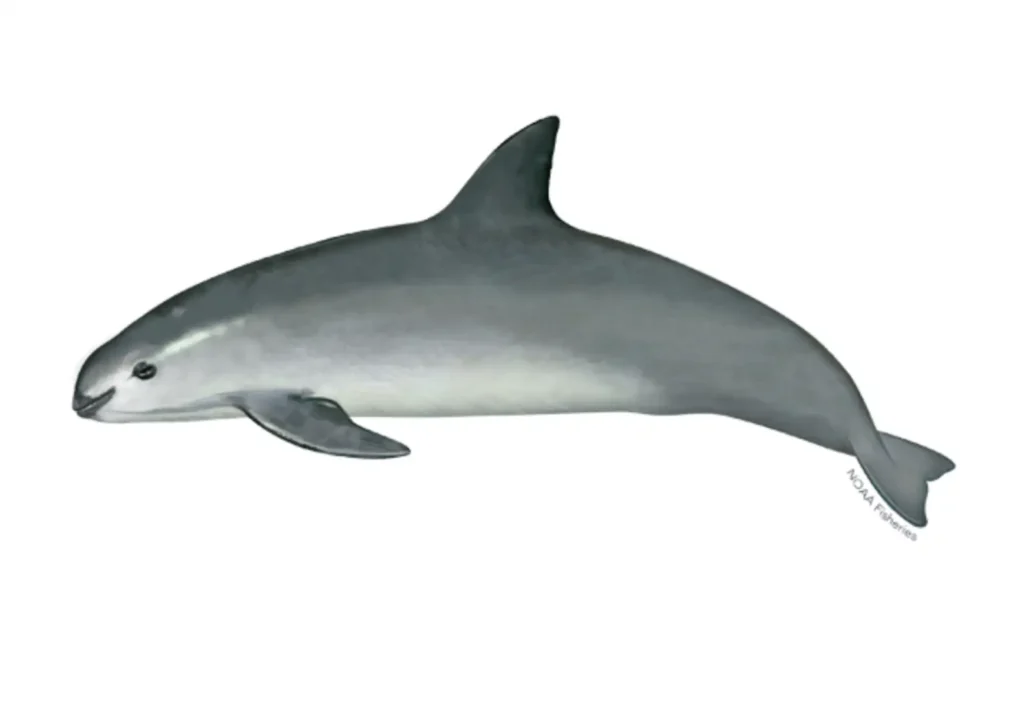
This tiny porpoise lives in the warm waters of Mexico’s Gulf of California, and it’s one of the rarest marine mammals on Earth. Measuring less than five feet long, vaquitas are the smallest members of the cetacean family — the group that includes whales, dolphins, and porpoises. They have a stocky gray body, a white belly, and a set of lips that curve upward, giving them what looks like a permanent, friendly smile.
Vaquitas are extremely elusive, and their numbers have plummeted dramatically over the last few decades. In 1997, there were around 560 individuals; by 2018, that number had dropped to just 10. Today, vaquitas are considered critically endangered, making them the rarest marine mammal in the world.
The biggest threat to vaquitas is gill nets, which are used to catch fish and shrimp. These nets can trap the porpoises, preventing them from surfacing for air, often leading to death.
Fortunately, conservation groups and government agencies have been working tirelessly to protect the species. Measures include enforcing bans on gill nets and conducting regular surveys to track vaquita populations.
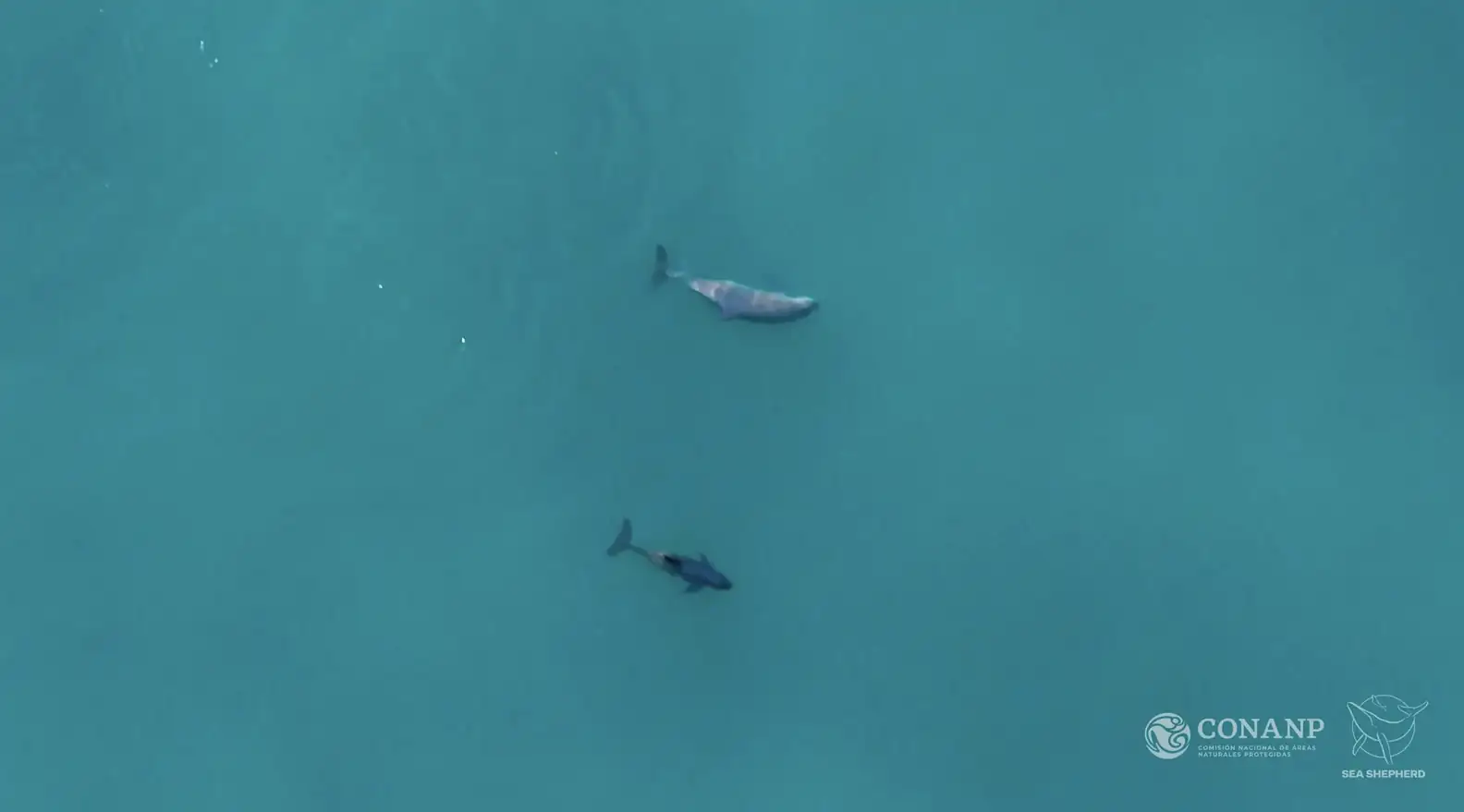
In 2024, researchers were worried because they didn’t spot any new calves. But in a hopeful turn this year, scientists were thrilled to observe Frida, a female vaquita with a bent dorsal fin, swimming with a baby.
“She’s named after Frida Kahlo,” said vaquita expert Barbara Taylor, “because even though she’s wounded, she’s incredibly important to Mexico.”
Frida’s calf is approximately one year old and seems healthy, a promising sign that conservation efforts may be working. Frida herself is one of the largest vaquitas ever seen, indicating that she’s strong and thriving.
“You can see they’re healthy-looking animals,” Taylor said.
Even more encouraging, researchers believe Frida may be pregnant again, meaning another vaquita could be born within the next year.
“It’s a miracle that these survivors are still here,” Taylor said.
Frida and her calf are more than just adorable animals — they are symbols of hope for the survival of a species that has come dangerously close to vanishing forever.