

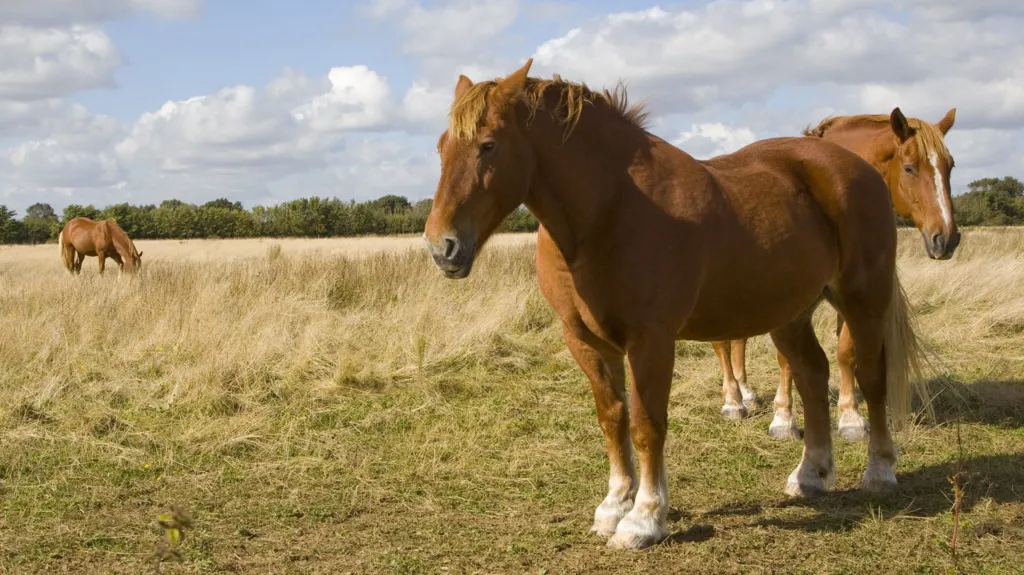
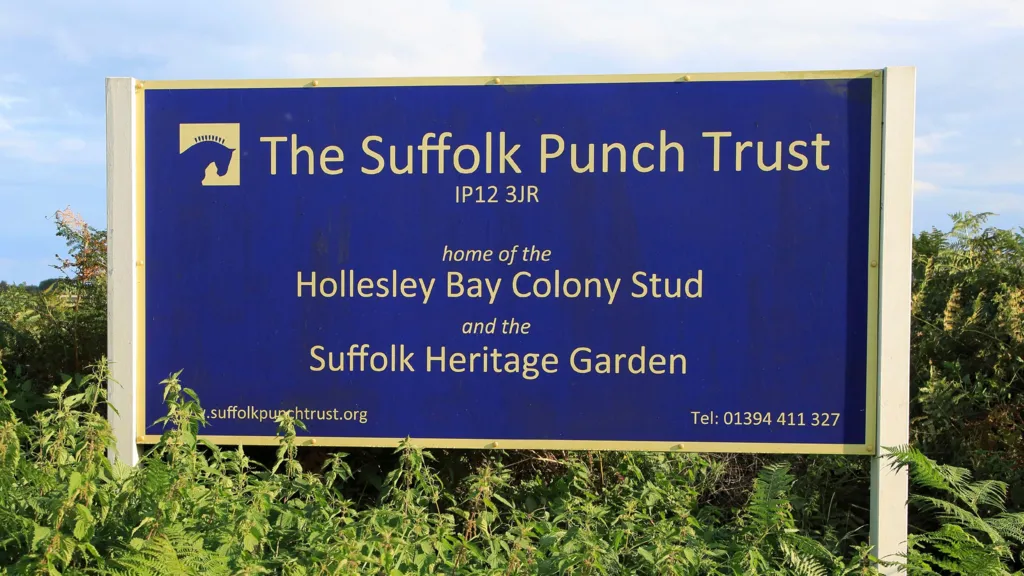
The future of a charity dedicated to protecting the critically endangered Suffolk Punch horse has been thrown into doubt after its historic farm and visitor centre were put up for sale.
The Suffolk Punch Trust announced earlier this year that it would close its visitor centre, café and shop because of rising costs.
Now, concerns are growing that the charity itself could cease operating after its 120-acre site was listed for £2.4 million and the Charity Commission confirmed it was reviewing financial concerns linked to the organisation.
Nigel Oakley, former president of the Suffolk Horse Society, said staff had worked hard to keep the trust going.
“The trust made every effort to breed and increase the population of the Suffolk horse and they tried very hard to make it a success,” he said.
“It is very, very sad but unfortunately I think it was inevitable to be truthful.”
Nigel Oakley said the trust had done all it could to support the breed.
Suffolk Punch horses have been bred at the Colony Stud in Hollesley, near Woodbridge, since 1759.
According to the trust’s website, the site has been home to 19 horses, including award-winning show animals.
That has raised concerns about what will happen to the remaining horses if the trust closes.
Oakley, who has bred 52 foals himself, said he had been told that a number of the horses had already been sold.
“They have got some very good quality horses, there’s no doubt about that, but I think it will be very difficult to place the stallions,” he said.
He added that stallions can form strong bonds with individual handlers, making them more difficult to rehome.
The trust has spent years working to preserve the critically endangered Suffolk Punch horse.
The charity’s financial difficulties were outlined in its accounts for the year ending 2024.
Chairman Andrew Fane said the outlook was uncertain unless additional funding could be secured.
The trust recorded a net loss of £90,561 in 2024, compared with a surplus of £24,439 the previous year.
Total income fell from £609,958 to £497,207, while donations and legacies dropped from £302,003 to £172,939.
The decline came despite an increase in visitor income, which rose from £74,296 to £87,902.
In February, the trust said it planned to restructure and focus on developing the stud in a smaller form.
The decision to put the farm on the market has since raised fresh questions about whether that plan can continue.
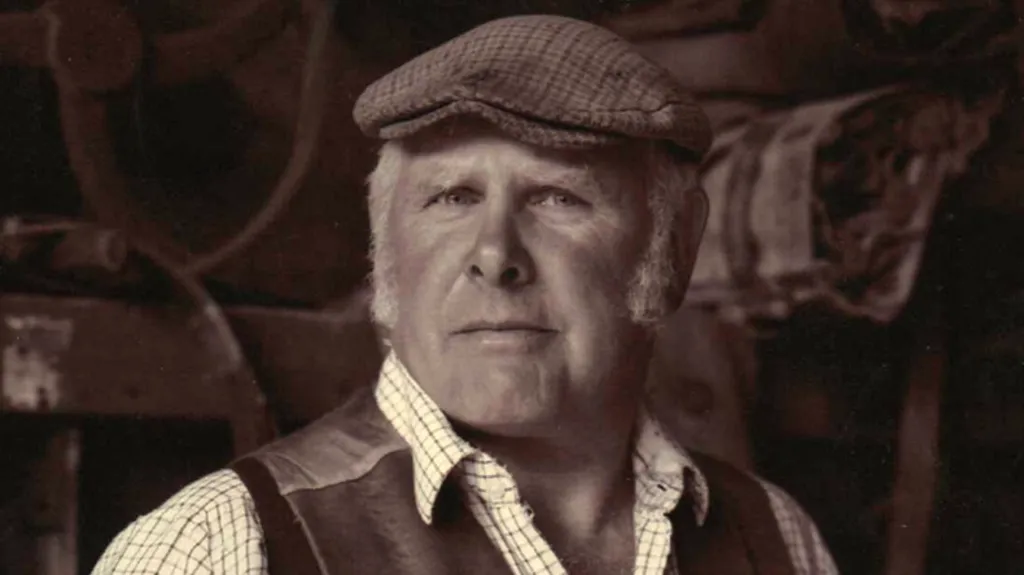
Oakley said some supporters and donors were deeply disappointed by the situation.
Farmer Tom Walne, who has spent much of his life working with Suffolk Punch horses, said he was shocked when he learned the property was being sold.
“The Suffolk horse needs all the help it can get, so I was shocked and I think that is very sad,” he said.
Farmer Tom Walne said the possible loss of the trust would be a major setback for the breed.
Walne said he had been told that any surplus funds could eventually be passed to other charities.
He also said stud manager Tracey Pettit was working to find suitable permanent homes for the horses that remain.
“That trust was set up as a good, wonderful thing for the Suffolk horse so that they could breed, train and sell horses,” he said.
“But once it’s gone, it’s gone.”
The Charity Commission said it was aware of financial concerns involving the Suffolk Punch Trust and was assessing available information.
It has not opened a formal compliance case or statutory inquiry.
The trust and its trustees have not commented publicly on the latest developments.
For breeders and supporters, the biggest concern is what the loss of such a long-standing institution could mean for the future of one of Britain’s rarest native horse breeds.