
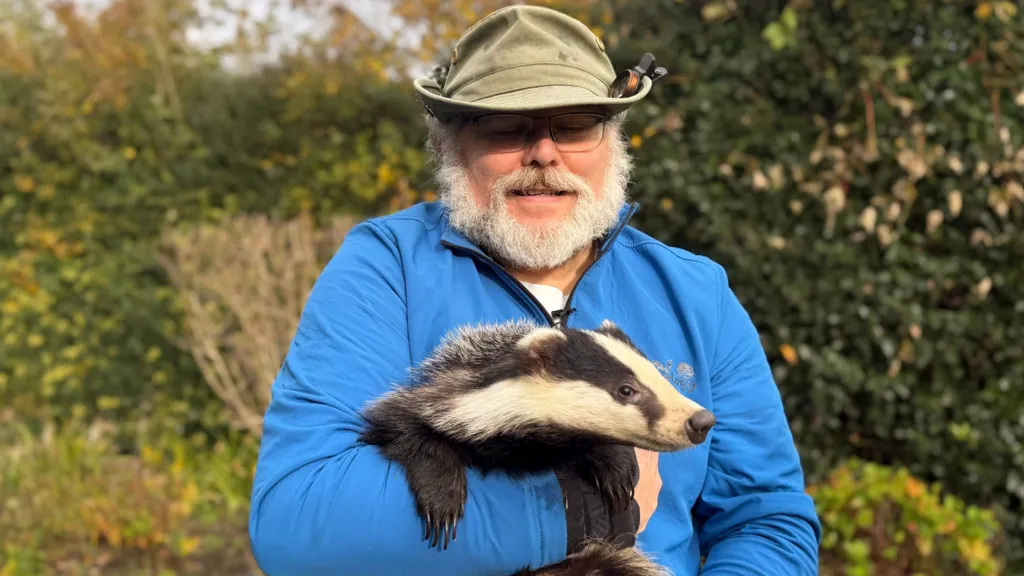
An abandoned badger cub named Harriet has become the center of a dispute in the Scottish Borders, after the ecologist who rescued her began fighting for permission to give her a permanent home.
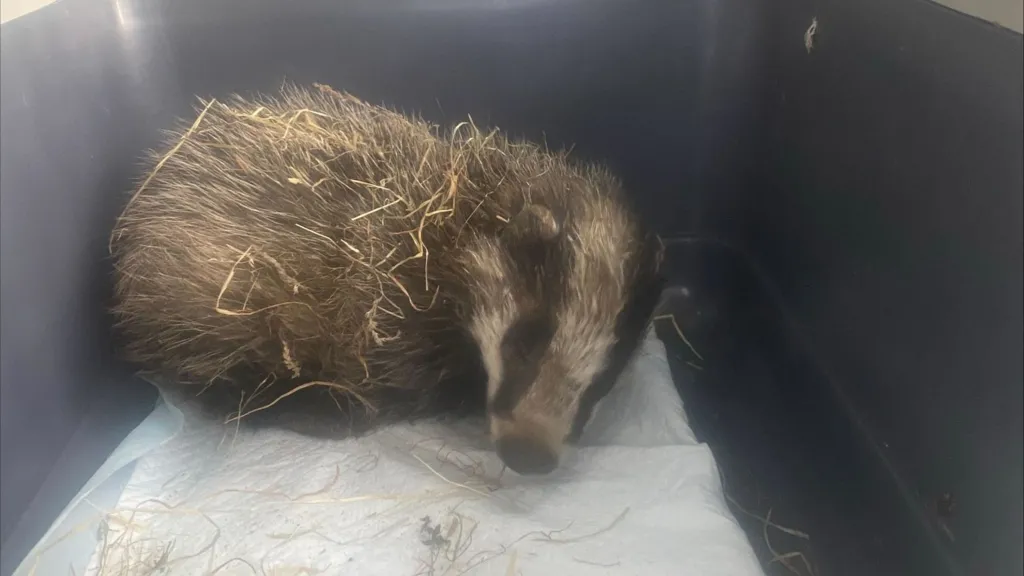
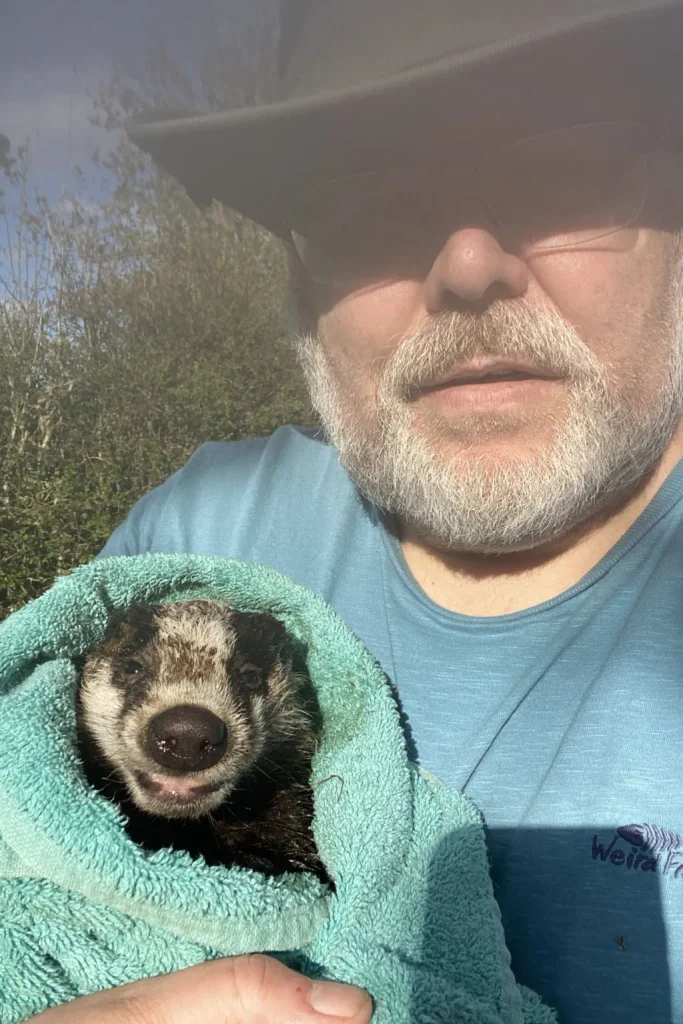
Graeme Wilson was called to help Harriet in April, when the young badger was discovered trapped inside a cattle trough. She had been found roughly 100 meters (300 feet) from her sett, severely underweight and covered in dirt.
Wilson took her in and gradually nursed her back to health. But as he cared for the cub, he became convinced that her unusual behavior suggested she had already been raised by humans before being rescued.
Now, he believes returning her to the wild could put her life at risk.
A cub who seemed unusually comfortable around people
Wilson runs GW Ecology, an independent wildlife rescue and rehabilitation service based at his home in Denholm. Alongside helping injured animals, he carries out ecological surveys, leads bat walks and organizes educational events designed to teach people about wildlife and conservation.
With years of experience caring for different species, he says Harriet’s behavior stood out from the beginning.
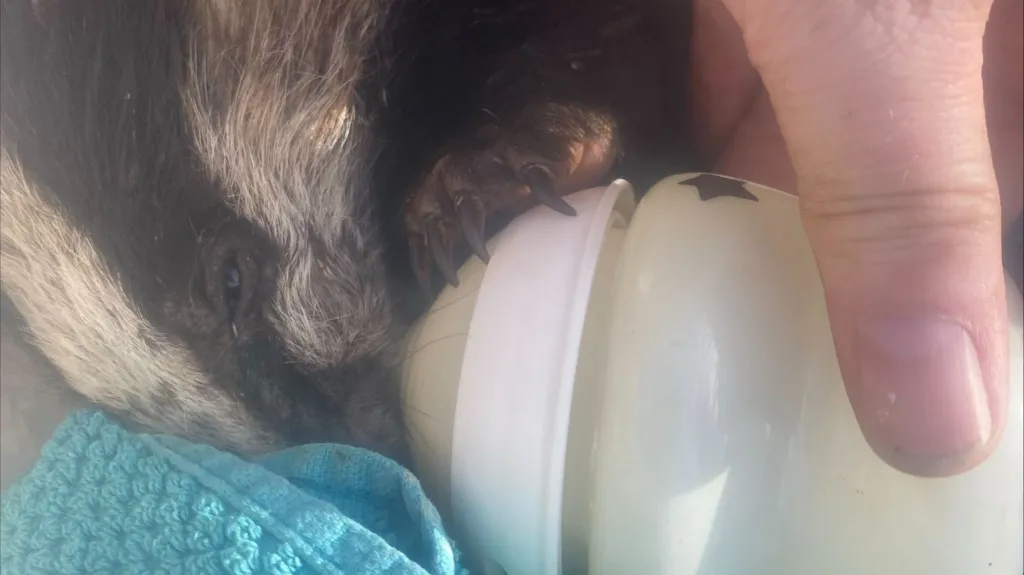
When he offered her a bottle, she appeared to recognize it immediately and began feeding with little hesitation. Wilson says he had previously cared for injured badgers but had never encountered one that responded to a bottle in quite the same way.
To him, this was a sign that Harriet may have become accustomed to human care long before she arrived at his home.
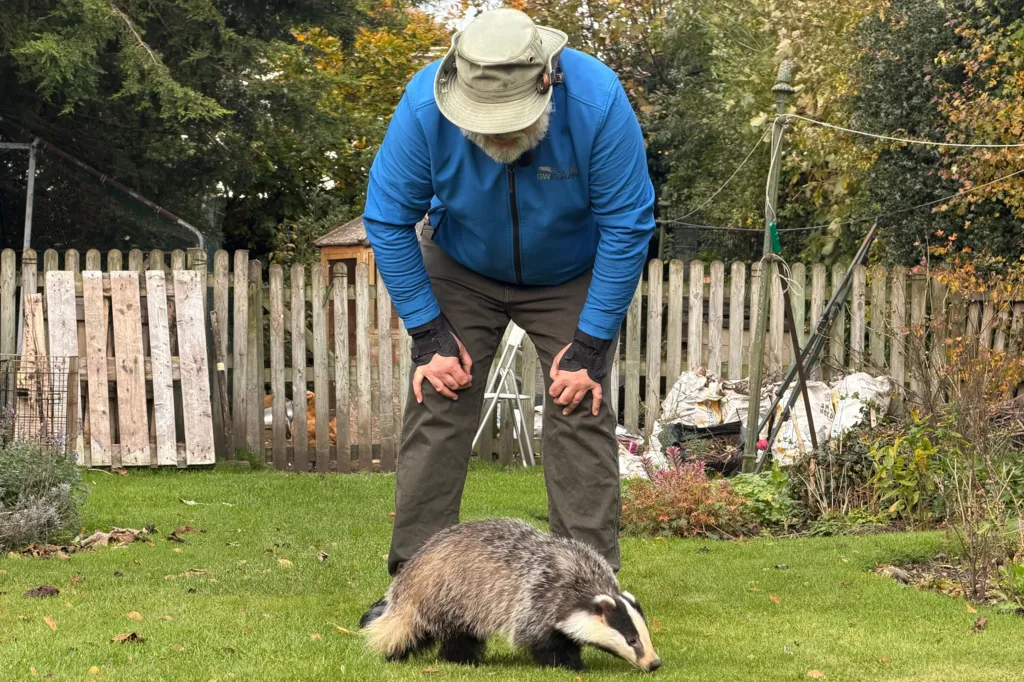
He believes she now sees people as her social group, making a return to the wild particularly dangerous.
“Badgers are companion animals, they are a social animal and unfortunately for Harriet she has decided that humans are her social group,” he explained.
Wilson worries that Harriet might approach strangers while they are walking their dogs or going about their daily routines. Such an encounter, he fears, could end badly for the animal.
Why a zoo may not be the answer
NatureScot, the public body responsible for Scotland’s natural heritage, has rejected Wilson’s initial application for an educational licence that would allow him to keep Harriet.
The suggested alternatives were to return her to the wild or transfer her to a zoo. Wilson disagrees with both options.
He fears that releasing Harriet would expose her to serious harm because she no longer has the behavior and independence needed to survive without human support. He also believes that placing her in a zoo would cause unnecessary distress.
“Harriet’s upbringing means she needs human interaction, not to be put behind glass and stared at,” he said.
Wilson hopes an educational licence would allow him to continue caring for her while helping the public learn more about badgers, wildlife rehabilitation and the responsibilities involved in protecting vulnerable species.
Although several badger rescue organizations in Scotland have supported his efforts, he acknowledges that the final decision is not in his hands. Police Scotland has also been informed about the situation.
Wildlife experts raise concerns about permanent captivity
The case has prompted wider discussion about the difficult decisions involved in rehabilitating wild animals.
Paul Reynolds, chair of the British Wildlife Rehabilitation Council (BWRC), emphasized that wildlife rehabilitation requires specialist knowledge, suitable facilities, veterinary support and an understanding of each species’ natural behavior.
He warned that rescuing an animal does not automatically mean that keeping it permanently is the right solution.
“There is a significant difference between responsible wildlife rehabilitation and keeping wild animals in captivity for educational or personal purposes,” Reynolds said.
The BWRC strongly opposes using wild animals as educational attractions or keeping them in permanent captivity. Reynolds also cautioned that becoming accustomed to people should not, by itself, be considered sufficient reason to prevent an animal from returning to the wild.
The disagreement highlights a difficult question: when an animal has become dependent on humans, how can rescuers balance its immediate welfare with its long-term needs as a wild creature?
What to do if you find a young or injured badger
The Scottish SPCA advises people to seek professional help if they encounter a badger cub outside its sett before it reaches approximately 12 weeks of age or the size of a domestic cat.
Anyone who finds a sick or injured badger should avoid touching or attempting to capture it and instead contact a wildlife rescue officer.
Badgers can become defensive when frightened or in pain. Their powerful jaws and sharp claws can cause serious injuries, particularly if someone tries to handle them without proper training.
The organization also recommends reporting badgers seen out in daylight, as unusual daytime activity may indicate that an animal is struggling.
For Harriet, the immediate challenge is finding a solution that protects her welfare while respecting the fact that she is still a wild animal. As discussions continue between Wilson, NatureScot and other organizations, her future remains uncertain.