

Some of England’s rarest plants and animals are set to receive new protection after Bristol Zoological Society secured almost £300,000 for conservation work in the Avon Gorge.
The £298,780 project will run for two and a half years, focusing on habitat restoration and the protection of nine priority species — including plants and invertebrates found nowhere else in the UK.
Funding has been awarded through Natural England’s Species Recovery Programme and will support the Society’s Avon Gorge & Downs Wildlife project in partnership with the National Trust, Bristol City Council and the University of Bristol Botanic Garden.
A Unique Habitat for Rare Species
The Avon Gorge is especially important for biodiversity because of its unusual landscape.
Its steep limestone slopes, calcareous soils and relatively warm microclimate create conditions that allow several uncommon species to survive.
Temperatures in parts of the Gorge can be around 1°C warmer than in surrounding areas, helping provide a distinctive habitat for plants and insects with very limited ranges.
Some Species Are Found Nowhere Else in Britain
The Avon Gorge is the only location in the UK where Bristol rock-cress grows naturally.
It is also the only place where Bristol onion can still be found growing in the wild.
That makes the area nationally significant for plant conservation, with the survival of some species closely tied to the continued protection and management of this single landscape.
Rare Whitebeam Trees Also Depend on the Gorge
The site is also home to an important population of White’s whitebeam.
Of the estimated 76 trees believed to remain worldwide, 33 grow in the Avon Gorge.
The Endangered species occurs naturally in only two known locations, making the Bristol population particularly important for its future survival.
The Gorge Is a Haven for a Rare Moth
Plants are not the only threatened wildlife benefiting from the area.
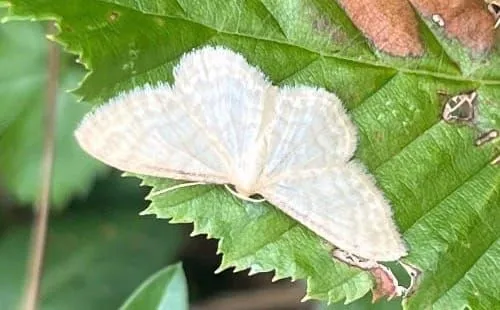
The Avon Gorge is also the only known location in England where the silky wave moth occurs.
The species continues to survive there, highlighting how careful habitat management can provide a refuge for wildlife that has disappeared from much of its former range.
Conservationists Will Restore and Expand Habitats
Over the next two and a half years, conservation teams will carry out a range of measures designed to strengthen vulnerable populations.
Work will include removing invasive species, restoring existing habitats, collecting and propagating seeds and testing new methods of habitat creation.
Targeted conservation work will also be used to increase the numbers of some of the rarest species.
New Techniques Could Improve Long-Term Survival
Anna Stevens, Biodiversity Engagement Manager for Bristol Zoological Society’s Avon Gorge & Downs Wildlife project, said the landscape offers an opportunity for carefully managed conservation work to make a significant difference.
She said the project will focus not only on protecting existing habitats but also on expanding them and testing new approaches that could improve the long-term survival prospects of threatened species.
Bristol Experts Are Also Helping Freshwater Crayfish
The Avon Gorge project is not the Society’s only major conservation effort.
Bristol Zoological Society is also contributing expertise to a £1.5 million national programme led by The Wildlife Trusts to protect the UK’s only native freshwater crayfish.
The programme, also supported by Natural England’s Species Recovery Programme, focuses on the white-clawed crayfish.
White-Clawed Crayfish Have Declined Dramatically
Populations of white-clawed crayfish have fallen by as much as 80% in recent decades.
Habitat degradation, pollution, invasive crayfish species and the spread of crayfish plague have all contributed to the decline.
The species is now considered globally Endangered.
Bristol Zoological Society has been involved in efforts to protect white-clawed crayfish since 2008.
A Coordinated Effort to Protect a Native Species
Jen Nightingale, UK Conservation Manager at Bristol Zoological Society, described the national programme as an important opportunity to strengthen remaining crayfish populations.
The project will combine conservation expertise from different organisations, focusing on restoring freshwater habitats, supporting vulnerable populations and improving the species’ chances of surviving in the long term.
Giving England’s Rarest Wildlife a Better Future
Together, the Avon Gorge and white-clawed crayfish projects represent a significant investment in protecting species that are becoming increasingly difficult to find.
From rare plants growing on limestone cliffs to endangered crayfish living in freshwater habitats, the work will focus on restoring the environments these species depend on.
For some of England’s most threatened wildlife, that could mean the difference between continued decline and a more secure future.