
A website selling merchandise inspired by Australia’s famous elephant seal, Neil, has been fined after authorities found that it falsely claimed connections with marine conservation organizations.
The online store, known as “Neil the Seal Official,” offered clothing and accessories featuring the popular Tasmanian animal while promoting its products as a way to support wildlife protection.
Customers were told that part of their purchases would contribute to marine conservation efforts.
But when questions were raised about those promises, several organizations named on the website revealed that they had never worked with the business or received donations from it.
The controversy eventually led to a government investigation, a $750 fine, and the closure of the website.
And that wasn’t the only concern surrounding the merchandise.
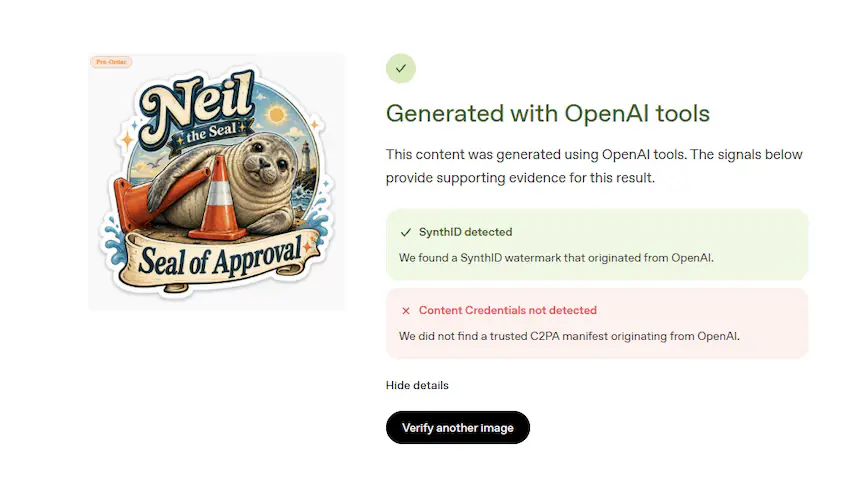
Questions also emerged about artwork advertised as locally designed after an AI verification tool detected evidence associated with artificial intelligence.
Neil the Seal’s Popularity Inspires an Online Merchandise Store
Neil the seal has become one of Tasmania’s most recognizable wildlife celebrities.
The southern elephant seal is known for appearing on beaches along the island’s southern coastline, where his enormous size and memorable behavior attract attention from residents and visitors.
His appearances have also generated considerable interest online.
Photographs and videos of Neil resting on beaches and exploring coastal areas have helped build a large following among animal lovers.
As his popularity grew, merchandise featuring the famous seal began appearing online.
One website called “Neil the Seal Official” advertised various products inspired by the animal.

But the store wasn’t simply selling souvenirs.
It also claimed that purchases would contribute to protecting marine wildlife.
For customers who admired Neil and wanted to support conservation efforts, those promises may have made the products seem particularly appealing.
However, the website’s descriptions soon attracted scrutiny.
Website Claims Purchases Help Protect Seals and Ocean Wildlife
According to statements published on the store’s website, part of the money generated through merchandise sales would support marine conservation.
The business suggested that purchases could help protect seals, sea lions, and marine ecosystems in Australia and elsewhere.
It also indicated that formal partnerships with conservation organizations were being developed.
The website promised that additional information about those arrangements and the impact of donations would become available once partnerships were confirmed.
Among the organizations mentioned were several prominent names in Australian environmental protection.
These included WWF Australia, the Australian Marine Conservation Society, the Marine Mammal Foundation, and Tasmania’s Department of Natural Resources and Environment.
The department was listed under its former name.
However, questions soon arose about whether these organizations had any genuine relationship with the merchandise business.
Their responses revealed a very different situation.
Conservation Organizations Deny Having Links to the Business
When the organizations named on the website were contacted earlier in 2026, they reportedly confirmed that they had not established partnerships with the store.
The three conservation organizations and the Tasmanian government department also said they had received no donations from the business.
These statements raised serious concerns about how the website represented its conservation activities.
Customers visiting the store could have interpreted its wording as suggesting that their purchases would financially benefit the listed organizations.
But those organizations did not confirm receiving any financial support.
The revelations prompted further questions about the accuracy of the website’s marketing claims.
The business subsequently changed some of its published descriptions.
Instead of implying existing or developing affiliations, the website began describing the named groups as recommended organizations.
References to forthcoming partnership details were also removed.
The site added links allowing visitors to donate directly to conservation organizations.
But these changes did not prevent the matter from attracting regulatory attention.
NSW Fair Trading Investigates and Issues $750 Fine
New South Wales Fair Trading launched an investigation into the former merchandise website.
The regulator examined the claims about conservation partnerships and the way the business presented its relationship with environmental organizations.
Following the investigation, NSW Fair Trading determined that the operator had falsely claimed affiliations with conservation groups.
In October 2026, the regulator issued a $750 fine.
The penalty was connected to the misleading affiliation claims identified during the investigation.
By the time the fine became public, the Neil the Seal Official website had already been taken down.
The regulatory finding concerned how the business represented its relationships with conservation organizations.
It did not establish that every advertised donation had been misappropriated or that the operator had been convicted of criminal fraud.
Nevertheless, the case highlighted the importance of accurate advertising when companies promote products as supporting charitable causes.
$150 Neil the Seal Hoodie Was Among Items Advertised
Before the website closed, it offered a selection of merchandise featuring images and illustrations of the famous elephant seal.
One of the products was a hoodie advertised for approximately $150.
Other items included stickers featuring cartoon-style depictions of Neil.
The products were marketed alongside statements about helping marine wildlife.
That combination of animal-themed merchandise and charitable messaging became central to the controversy.
The conservation claims gave the business an environmental dimension beyond ordinary souvenir sales.
But the organizations identified in those statements said they had no confirmed relationship with the store.
And as attention turned toward the merchandise itself, another issue emerged.
AI Detection Raises Questions About ‘Local Artist’ Claims
One sticker advertised on the website was described as having been designed by a local artist.
However, an AI-content verification tool reportedly detected a digital watermark associated with OpenAI-generated or edited images.
According to the reported assessment, the tool identified a SynthID watermark linked to OpenAI tools.
Several other merchandise images reportedly produced similar results.
SynthID is a watermarking technology that can help identify content created or modified using supported generative AI systems.
A detected watermark can provide evidence that an image was processed using an AI tool.
However, it does not necessarily establish how extensively artificial intelligence was used or whether a human artist also contributed to the final design.
The result therefore raised questions about the store’s description of the artwork without independently proving that no local artist had been involved.
The confirmed regulatory fine was related to false conservation affiliations, not a separate finding about AI-generated merchandise.
Neil the Seal Remains a Popular Attraction in Tasmania
While the merchandise controversy attracted public attention, the real Neil continues to be known for his memorable appearances along Tasmania’s coastline.
The southern elephant seal has become a familiar sight at locations including Seven Mile Beach.
His enormous body and distinctive appearance make him difficult to miss when he comes ashore.
Although his popularity has made him something of a wildlife celebrity, Neil remains a wild animal.
Elephant seals need space to rest and move freely when they visit beaches.
Members of the public are encouraged to observe from a safe distance rather than approaching or disturbing them.
For wildlife enthusiasts, protecting animals like Neil involves respecting their natural behavior and supporting legitimate efforts to conserve marine habitats.
What the Neil the Seal Case Means for Wildlife Supporters
The controversy surrounding the Neil the Seal merchandise store highlights an important issue for consumers who want their purchases to support environmental causes.
Animal-themed products are often promoted alongside promises of charitable donations.
However, not every business claiming to support conservation has a formal relationship with the organizations it mentions.
Consumers can protect themselves by checking whether donation claims are specific and verifiable.
For example, a legitimate charitable arrangement should make clear which organization receives funding and how contributions are calculated.
It is also useful to verify whether the named conservation group publicly acknowledges the relationship.
When that information is unavailable, donating directly to an established wildlife organization may offer greater transparency.
The case also demonstrates the importance of accurate product descriptions, including claims about how artwork is created.
As AI-generated content becomes more common, clear communication about its use can help customers make informed purchasing decisions.
Neil the Seal Merchandise Website Closes After Investigation
The Neil the Seal Official website is no longer operating at its previously reported address.
Following questions about its conservation claims, the business changed its published wording before the website eventually disappeared.
NSW Fair Trading subsequently confirmed that the operator had falsely claimed affiliations with conservation organizations and issued a $750 fine in October 2026.
The controversy surrounding the artwork added another layer of public scrutiny, although it was separate from the confirmed regulatory penalty.
For consumers, the incident serves as a reminder that charitable marketing claims deserve careful attention.
And for businesses, it highlights the importance of transparency when promoting products linked to wildlife protection.
Neil the seal may have inspired a popular online merchandise store, but the case shows that promises to support conservation must be backed by accurate information and genuine accountability.