
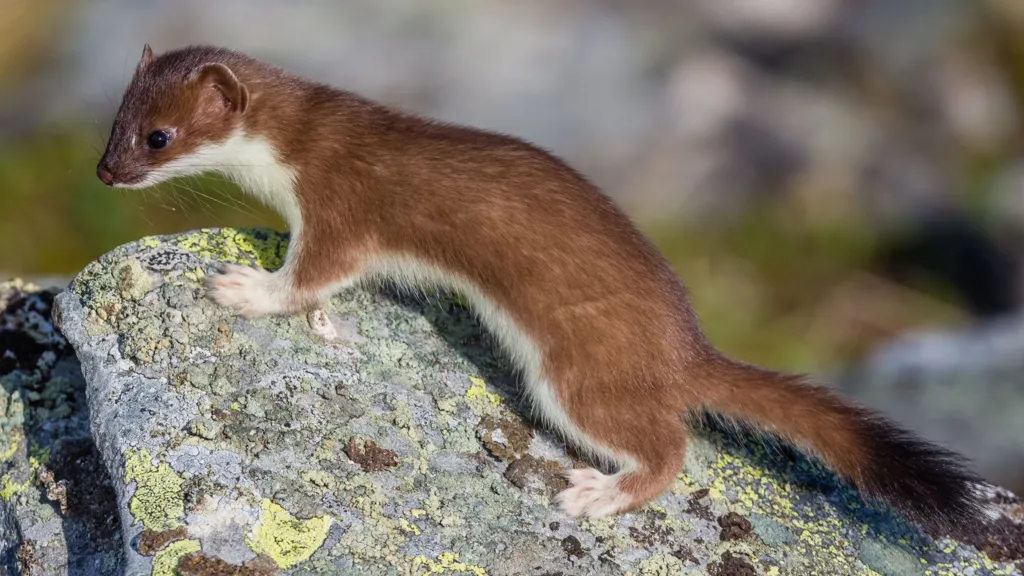
A lone stoat has been captured on the Orkney island of Rousay after a seven-month search involving traps, specialist dogs, trail cameras and local volunteers.
The animal was first spotted on the island in May, raising concern because stoats are not native to Orkney and are considered invasive.
The Orkney Native Wildlife Project launched an intensive effort to find the animal, using targeted traps, scent-detection dogs, AI-assisted cameras and other monitoring equipment.
The search finally ended on Friday when the stoat was caught in a trap near the Loch of Loomachun.
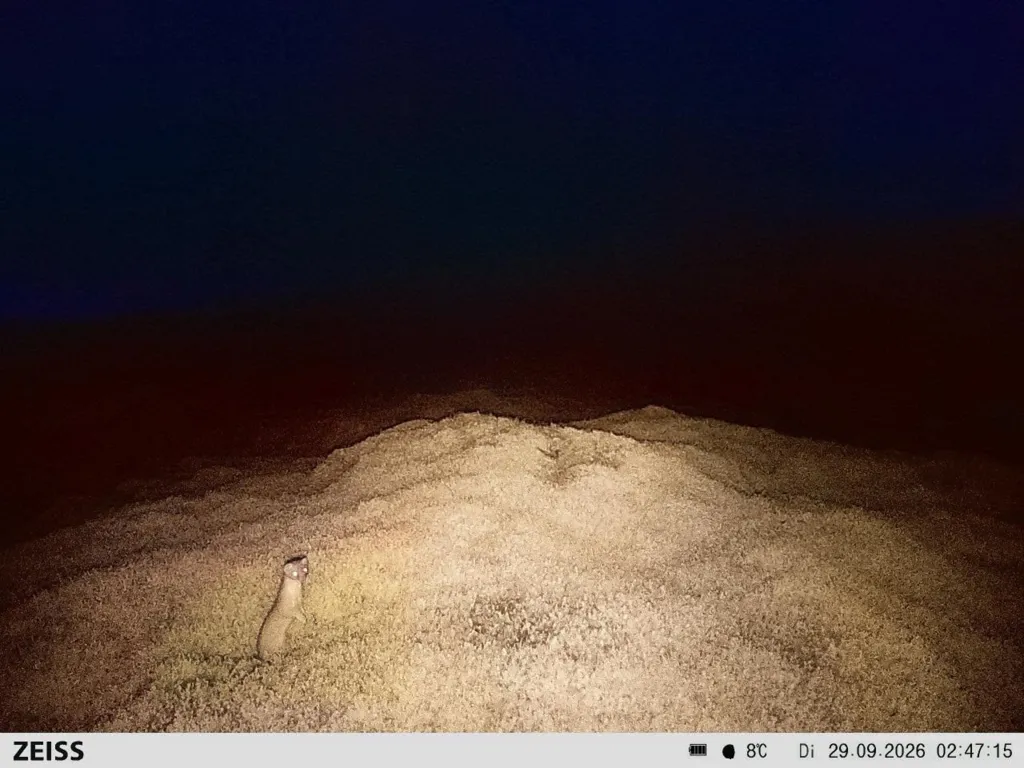
The stoat was captured on camera during the search.
Examination confirmed the animal was male, matching earlier DNA evidence collected by the project.
Officials say there is currently no indication that female stoats are present on Rousay or that a breeding population has become established there.
That has increased confidence that the sightings may all have involved the same individual animal.
Rousay is the first of Orkney’s outer islands where a stoat has been recorded.
It remains unclear exactly how the animal reached the island, although Rousay lies about 1.8 miles, or 3 kilometers, from the Orkney mainland and is considered within possible swimming distance for a stoat.
The capture forms part of a much larger effort to protect Orkney’s native wildlife.
Since 2019, the Orkney Native Wildlife Project has been carrying out a £15 million eradication program aimed at removing stoats from the Orkney mainland. Thousands have already been caught.
Alice Head-Rapson, a trapper with the project, said the operation on Rousay tested the team’s skills.
“This incursion response was a test of our skills, but everybody at the project stepped up to meet the moment,” she said.
She added that officials still need to be certain no other stoats are present.
“It’s still important we guarantee with complete confidence that the stoat we’ve trapped was the only one, but our achievement here is a big deal and we hope that will help to keep nature safe across all of Orkney.”
Head-Rapson also praised local residents who supported the search and monitoring effort.
“Working with the island community has been a privilege, and we’re really grateful for all the support the volunteers there have shown for native wildlife,” she said.
Monitoring on Rousay will continue for another two years before conservationists can officially declare the island free of stoats.