

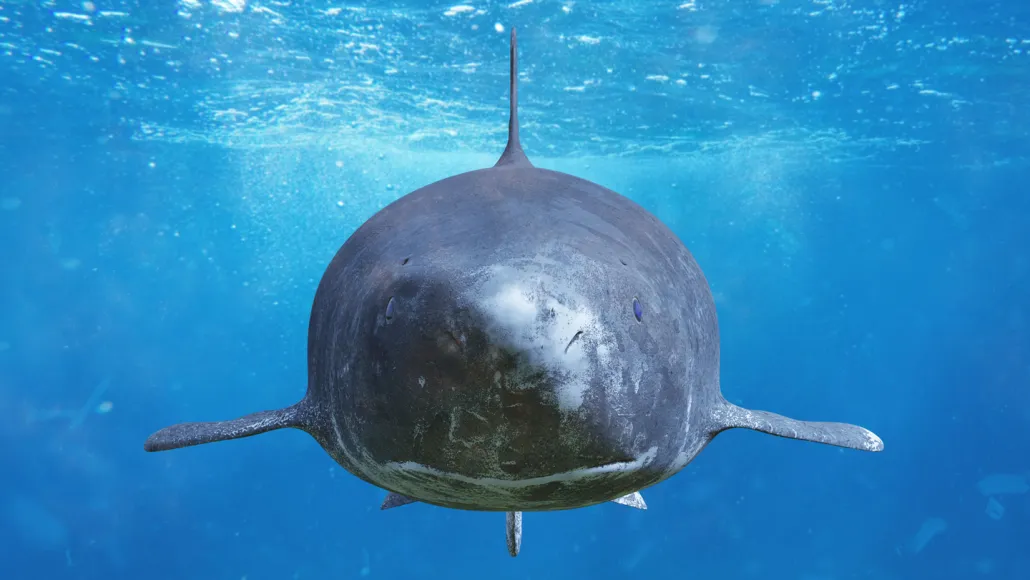
Greenland Sharks: Masters of Longevity
Greenland sharks are revealing new secrets about how to slow the aging process. These ghostly giants, which inhabit the deep, dark waters of the Arctic and North Atlantic, are among the longest-living vertebrates on the planet — with lifespans estimated at up to 400 years.
Recent studies suggest that some of their organs may resist the typical wear and tear of aging, while others display remarkable resilience despite accumulating tissue damage. Understanding these adaptations could one day inspire therapies for human aging, says Lily Fogg, a biologist at the University of Basel in Switzerland.
Eyes That Defy Time
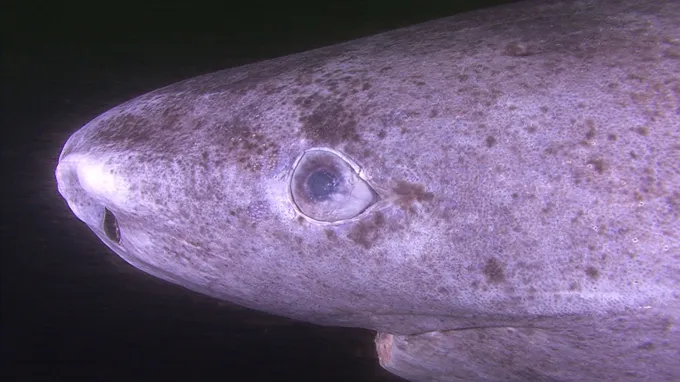
Fogg and her team focused on the sharks’ eyes, which had long been thought to be nearly blind. They analyzed eye tissue from 10 Greenland sharks, some around 150 years old, and discovered that the animals retained the cellular and molecular tools needed to see in the dim light of the deep sea.
Even more striking, the tissue showed minimal signs of aging. The secret may lie in heightened activity of DNA repair genes, which fix cellular damage that can otherwise lead to tissue degeneration and cell death. Earlier genomic studies had also highlighted enhanced DNA repair capabilities in Greenland sharks, suggesting a built-in antiaging mechanism at work — at least in their eyes.
Hearts That Keep Beating
Not all organs appear equally protected. Researchers studying Greenland shark hearts found scarring and cellular damage similar to what would cause cardiovascular disease in humans. Despite these signs of wear, the sharks’ hearts continue to function efficiently.
Alessandro Cellerino, a physiologist at the Scuola Normale Superiore in Pisa, Italy, notes that the heart tissue may produce protective hormones that help it cope with age-related injury. How exactly this works remains a mystery, but the findings highlight the sharks’ unusual ability to survive with damaged organs.
Repair, Resilience, and Lessons for Aging
Ecologist Catherine Macdonald of the University of Miami says the findings make sense: any animal with such a long lifespan needs mechanisms to both repair and maintain its tissues. Studying these mechanisms in living Greenland sharks is challenging, as they can dive as deep as 2,200 meters, but researchers hope to uncover more clues about the biology of extreme longevity.
While the research is promising, Macdonald cautions that it does not have immediate applications for human health, and people shouldn’t attempt to mimic the sharks’ biology by consuming shark products. “We don’t need to start drinking Greenland shark blood,” she said.
The Takeaway
Greenland sharks are teaching scientists that longevity may involve a combination of enhanced repair systems in some organs and resilience in others. Their extraordinary life spans could offer inspiration for future antiaging research, but there’s still much to learn before these secrets can be applied to humans.