

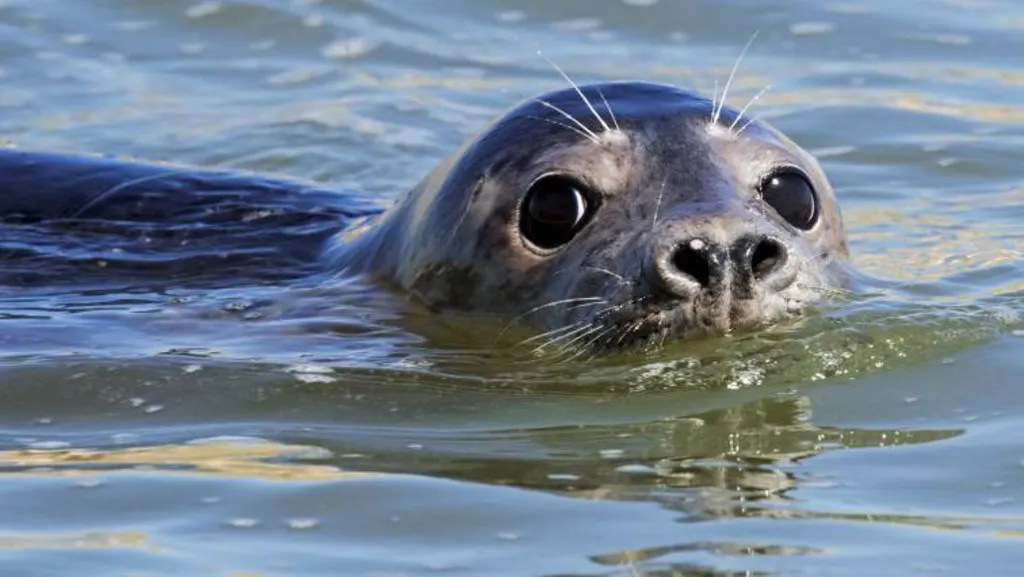
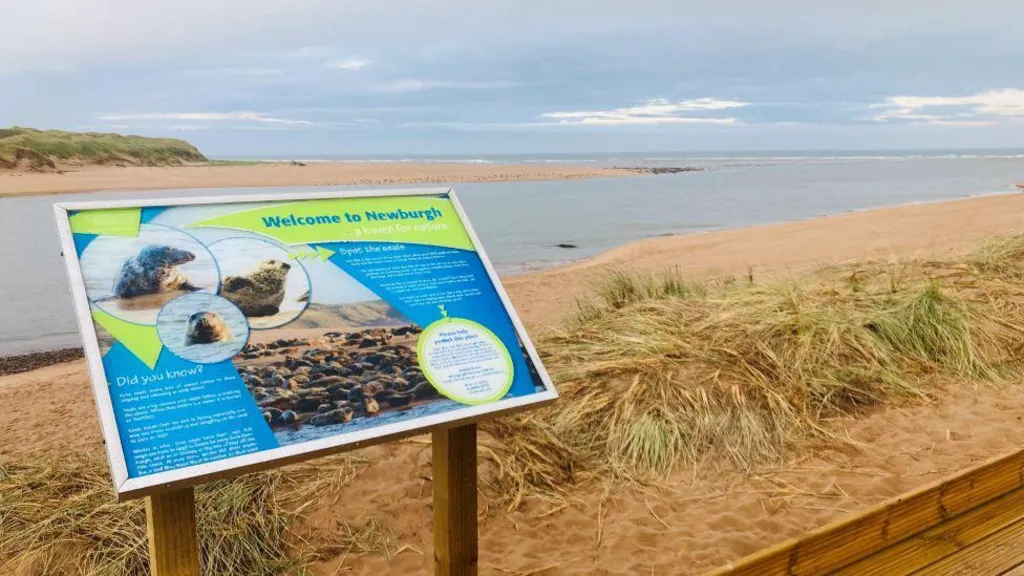
Artificial intelligence is being used to help scientists study seal populations at a protected site in Scotland more quickly and efficiently. Newburgh beach in Aberdeenshire is home to hundreds of grey seals and became a designated seal haul-out site in 2017, meaning it is a protected area where seals rest and breed.
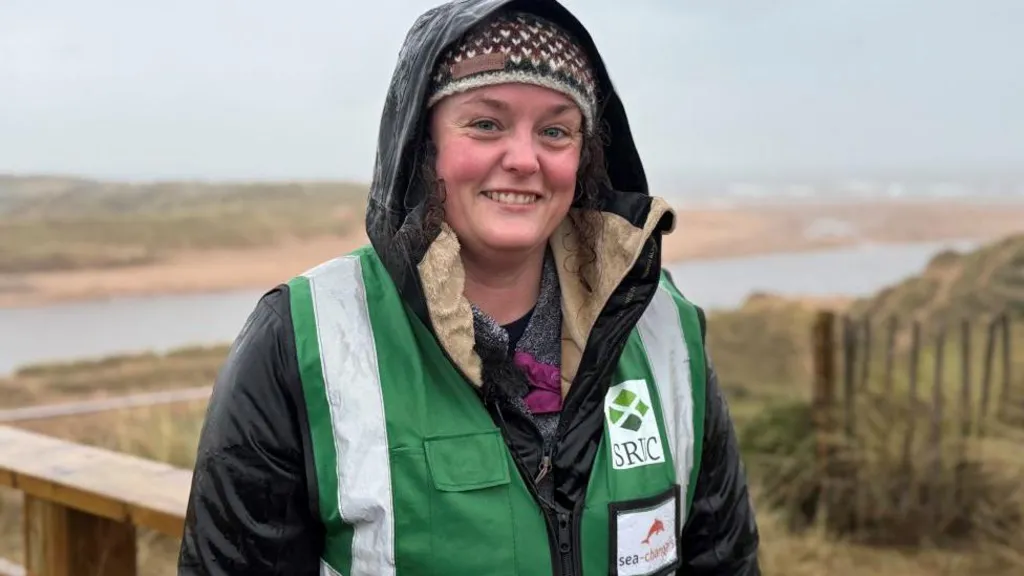
Marine biologist and PhD student Claire Stainfield uses drones to film the seals and monitor their numbers. She is researching whether increasing tourist numbers affect the seal population.
Normally, analysing drone footage would take several hours, but by using artificial intelligence, the same task can now be completed in seconds.
Claire explained that seal numbers have increased greatly over the past 50 years, from just 10–20 seals to more than 3,000 at peak times. As tourism in the area has grown, visitors have been asked to stay on the south side of the beach to avoid disturbing the seals. Research has shown that disturbance is minimal when this rule is followed, but increases when people walk along the north side.
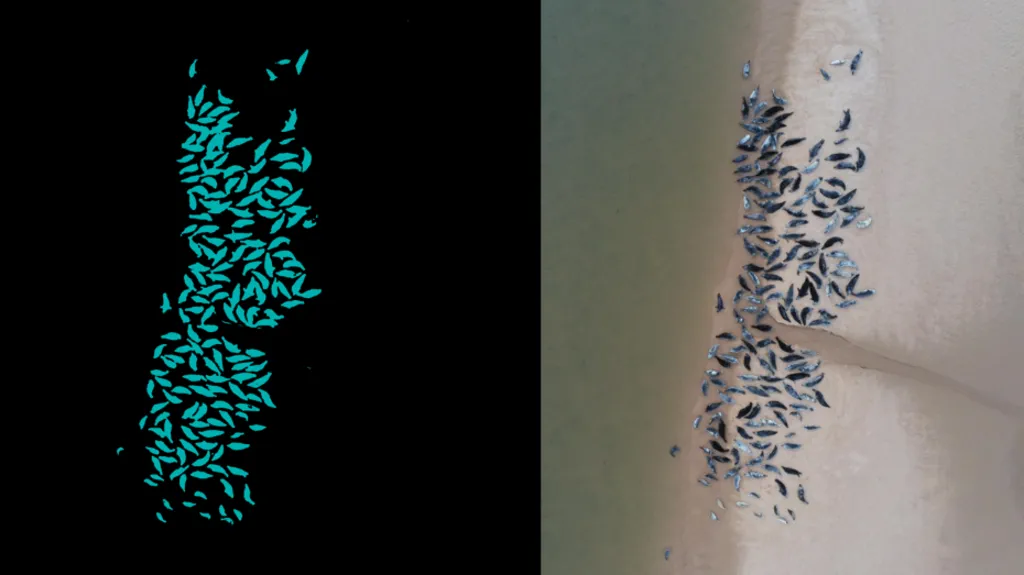
Claire has collected weekly data for two years, including during winter. The drone footage also records GPS locations, helping her understand how seal behaviour changes throughout the year. In summer, seals are often near the estuary mouth while the beach is busy. In winter, they move closer to walkways during breeding and moulting season, although fewer people visit due to bad weather.
Training the AI system took time, but it has been highly effective. Images showing up to 2,500 seals that once took three hours to analyse can now be processed almost instantly. Claire hopes this technology can be used at other sites and for studying different species, as drones and AI offer a less invasive and more accurate way to monitor wildlife.