

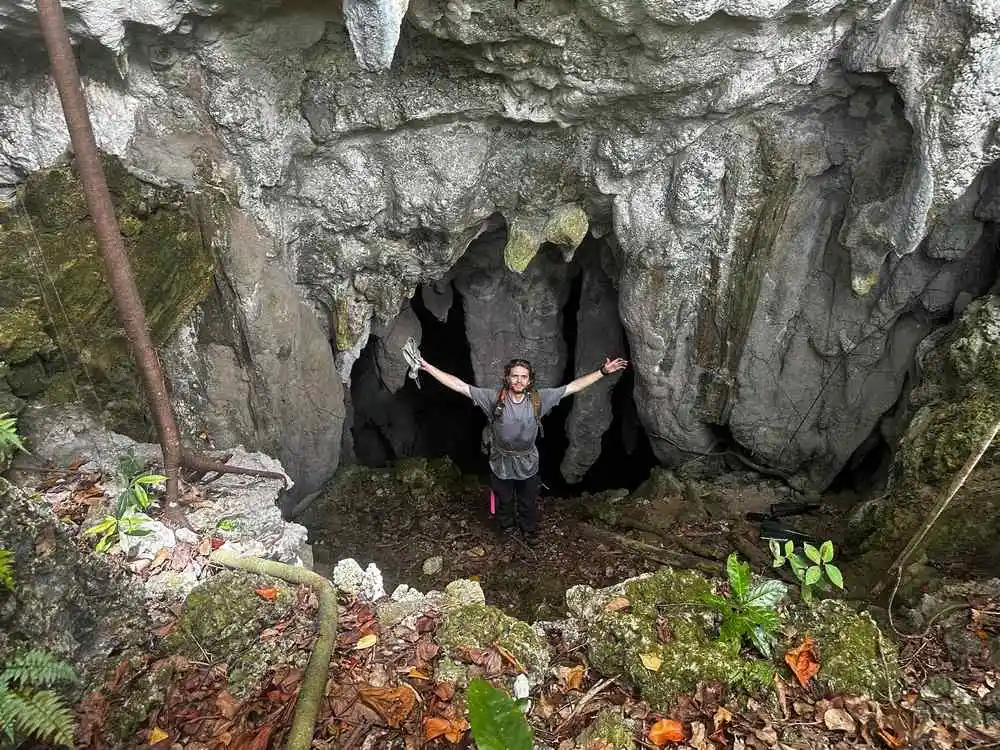
On the remote shores of Ulong Island in Palau, a remarkable conservation success story is unfolding. Once overrun by invasive rats, this tropical paradise is now teeming with renewed life, thanks to a large-scale restoration effort led by Island Conservation in collaboration with Palau’s government agencies.
Throughout 2023 and 2024, conservation teams worked to remove the destructive rodents that had ravaged Ulong’s delicate ecosystem. The rats had long preyed on native birds and their eggs, consumed seeds critical for forest regeneration, and disrupted the natural balance between land and sea. Their removal marked the first step in restoring ecological harmony to the island.
After a year of rigorous monitoring — including eDNA analysis, trail cameras, and extensive field surveys — researchers confirmed that no invasive rodents remain. The achievement represents a milestone for Palau and a model for island conservation across Micronesia and the Pacific.
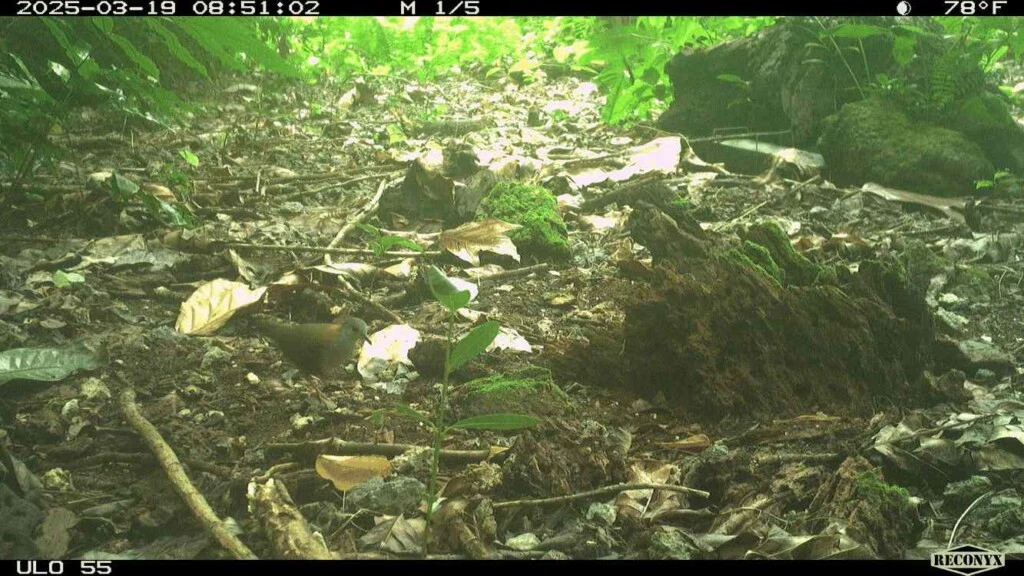
With the rats gone, the transformation was almost immediate. Populations of the endangered Palau ground dove have surged, with new sightings of chicks in areas where the birds had previously vanished. Acoustic monitoring recorded dramatic increases in bird calls from brown noddies, white terns, and bridled terns, signaling a powerful rebound in biodiversity.
“The results are thrilling,” said Coral Wolf, Island Conservation’s Impact Program Manager, who has monitored Ulong since 2022. “We’re seeing and hearing recovery everywhere — bird calls filling the forest and young doves exploring the forest floor without fear. It’s an incredible turnaround in just one year.”
Beyond benefiting the island’s wildlife, the restoration is revitalizing Ulong’s interconnected marine ecosystems. Nutrient exchanges between seabirds and coral reefs are improving, bolstering the health of both land and sea environments. Tour guides and visitors have also reported richer wildlife encounters and a renewed sense of serenity during their stays.
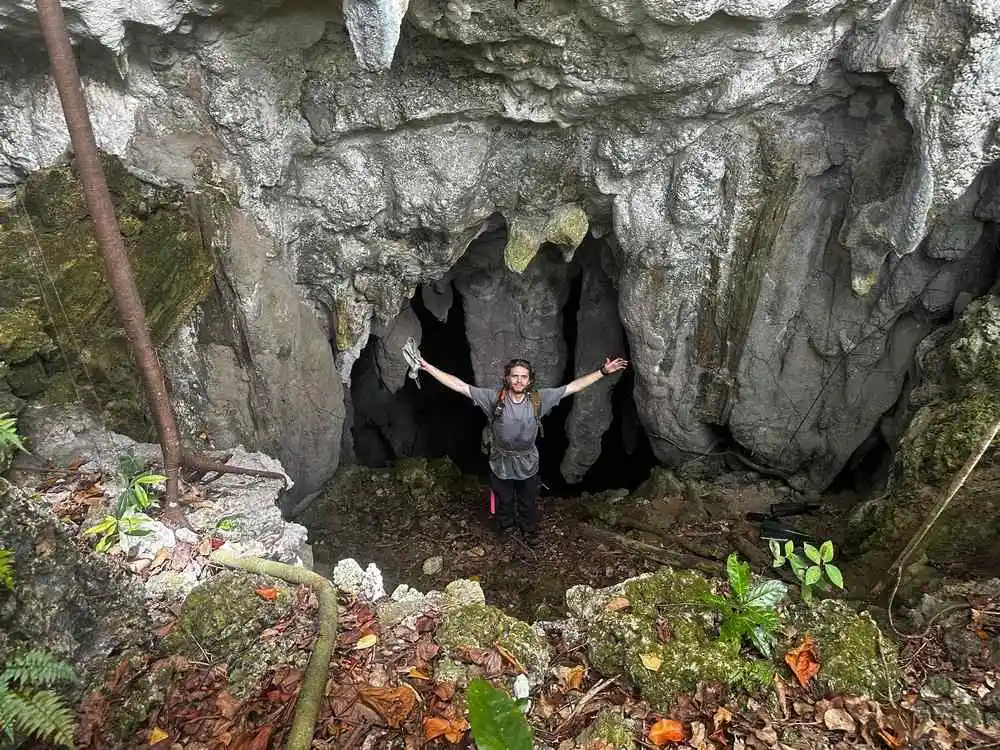
Ulong Island, administered by the Koror State Government, is not only a haven for biodiversity but also a living archive of Palau’s cultural heritage. Its limestone caves, adorned with ancient pictographs, offer a glimpse into the islands’ pre-colonial past. The restoration protects both nature and culture, ensuring that future generations can experience Ulong in its truest form.
“Conservation has always been central to Palau’s identity,” a Koror State Government spokesperson said. “The success on Ulong shows what’s possible when we honor that tradition — it’s a beacon of hope for the entire Pacific.”
Island Conservation and its partners have implemented strict biosecurity measures to prevent reinvasion, safeguarding the island’s fragile recovery. Ongoing studies in partnership with the Scripps Institution of Oceanography will help quantify the broader impacts on seabird populations and nutrient cycling across the archipelago.
“This project shows the world what’s possible when culture, conservation, and innovation come together,” said Tommy Hall, Project Manager at Island Conservation. “Ulong’s recovery proves that nature’s resilience is extraordinary — and that with care and collaboration, even the most damaged ecosystems can thrive again.”