

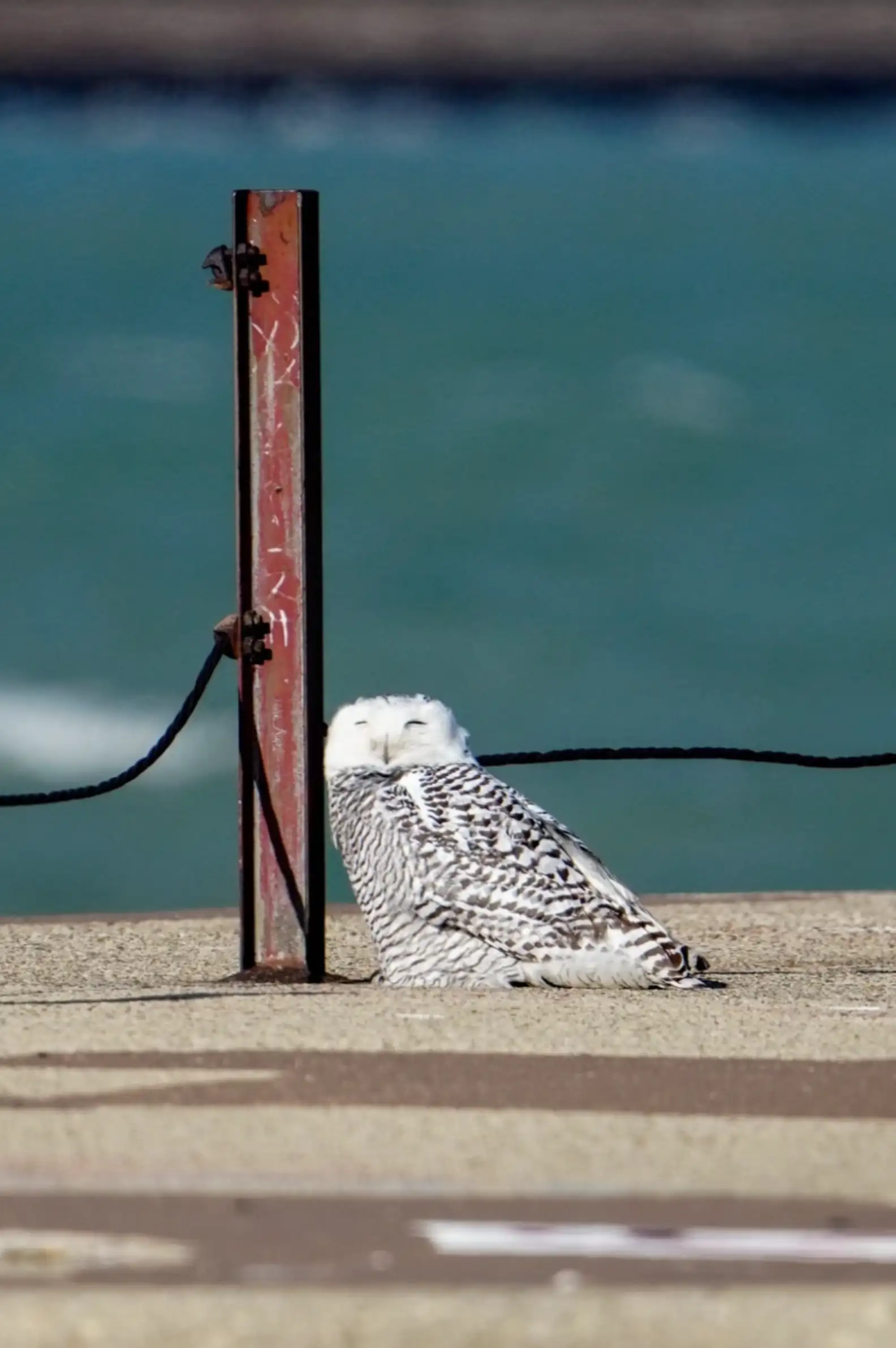
“I was so excited …”
Snowy owls — the striking white raptors that typically live in the Arctic areas of North America and Eurasia — aren’t exactly common sights in major cities. So when two of them appeared in Chicago last month, locals were stunned.
Elena, a hobby birdwatcher who asked that her last name not be used, heard about the unexpected visitors and knew she couldn’t miss the chance to see them. On Thanksgiving morning, she bundled up and made her way to the pier where a male–female pair had been spotted repeatedly.
Not long after she arrived, she noticed the female owl perched quietly beside a fence post. The bird sat with her feathers fluffed against the cold, eyes half-closed in a serene expression. Elena kept a respectful distance to ensure she didn’t disturb the owl, who was vulnerable so far from home.
“I was thrilled to see such a gorgeous snowy owl,” Elena told The Dodo.
Elena stayed for a while, taking in the owl’s impressive appearance. Female snowy owls tend to be slightly bigger than males and have darker markings — something that stood out clearly on this visitor.
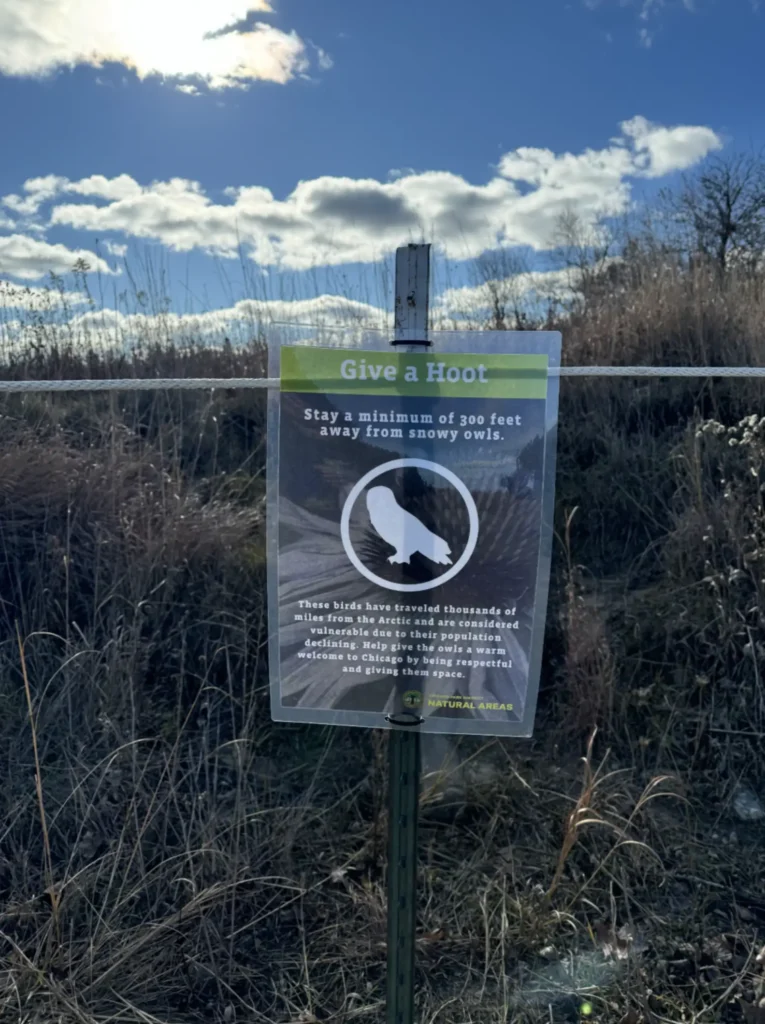
“Their white feathers speckled with black and those bright yellow eyes make them look almost magical,” she said.
After taking a few photos, Elena headed home to warm up. When she later posted her shots and videos online, people from around the world were amazed to see an Arctic species perched in front of Chicago’s towering skyline.
Why snowy owls show up in cities like Chicago varies, but experts at Project SNOWstorm explain that some migrate south every winter. Every few years, though, something special happens: a large-scale movement called an irruption, when unusually high numbers of young snowy owls leave the Arctic at once.

“This happens when lemmings — the owls’ main food source — are especially abundant during the summer,” Elena explained. “More food means more chicks survive, and many of those young owls end up flying south.”
Although these irruptions may seem unusual, they’ve been recorded for well over a century.
“They aren’t caused by climate change,” Elena noted. “But climate change is impacting their Arctic ecosystems and prey, which is worrying.”
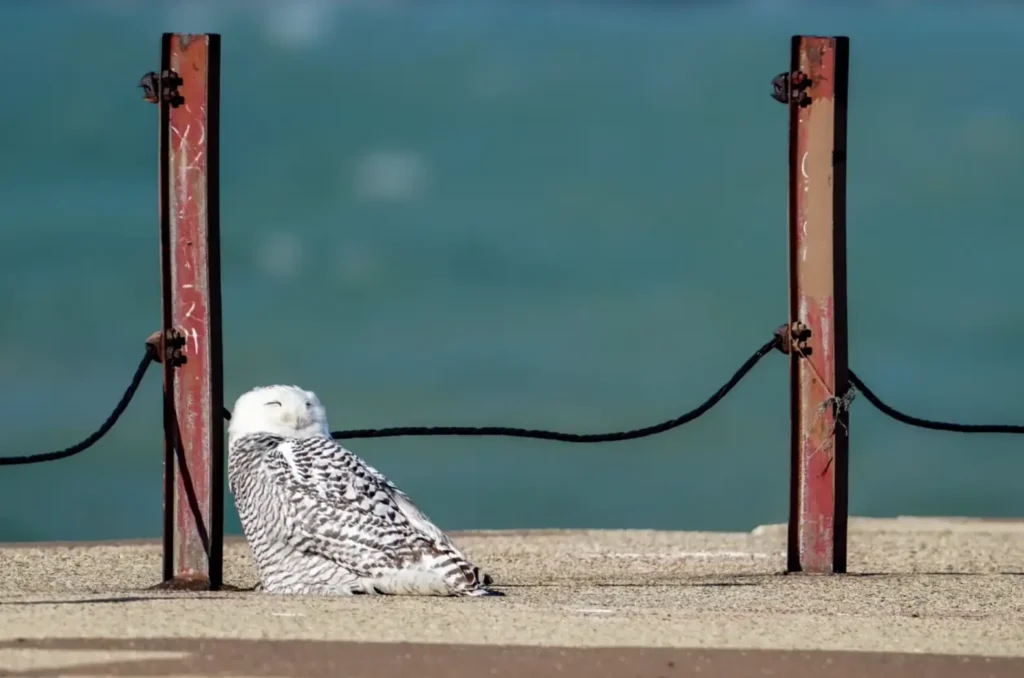
By spring, the young female owl Elena saw will most likely return to the far-north tundra where snowy owls thrive. But for Elena, the quiet moment she spent watching the owl resting on a chilly Chicago pier is something she’ll always treasure.
“I’ve adored owls since I was a kid,” she said. “Seeing such an extraordinary species in a city that means so much to me was unforgettable.”