

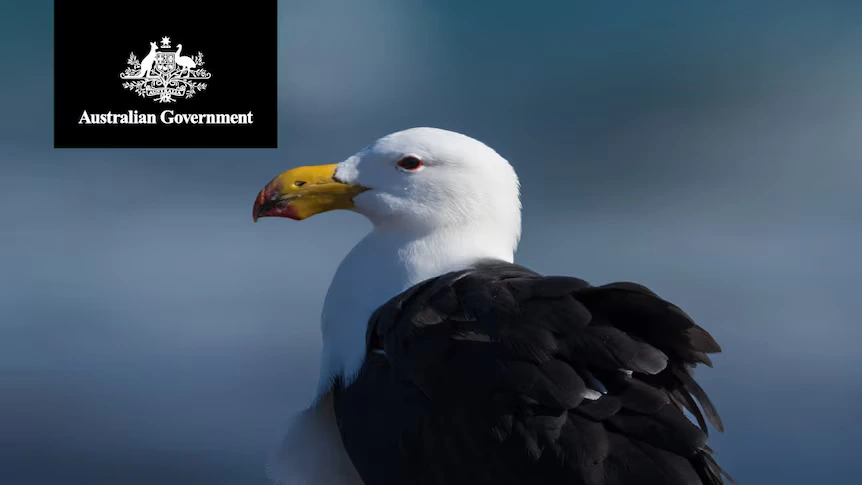
The Australian government has launched a nationwide bird flu awareness campaign to help protect wildlife, pets and backyard poultry as the H5 outbreak continues to spread across the country.
The campaign comes amid growing concerns about the impact of bird flu on Australia’s native animals, particularly endangered Australian sea lions.
South Australian authorities are also seeking approval to trial an experimental vaccine that could potentially help protect vulnerable marine mammals.
Australia Launches National Bird Flu Awareness Campaign
On September 27, 2026, Australia’s Minister for Agriculture, Julie Collins, announced a national education campaign called Bird Flu – Know What to Do.
The six-week campaign will provide practical information about recognising possible bird flu infections and responding safely when encountering sick or dead wildlife.
Information will be distributed through television, radio, social media and other digital platforms.
The campaign encourages Australians to take simple precautions to protect themselves, their pets and native wildlife.
It also provides advice for people who keep backyard chickens or live in areas affected by bird flu.
The initiative forms part of the Australian government’s broader response to the H5 bird flu outbreak.
Bird Flu Cases Continue to Rise Across Australia
Australia has recorded hundreds of confirmed bird flu events involving wild animals.
According to government figures, 652 H5 bird flu events had been confirmed nationwide as of September 25, 2026.
South Australia recorded the highest number, followed by Victoria and New South Wales.
Confirmed Bird Flu Events by Location
| State or territory | Confirmed events |
|---|---|
| South Australia | 319 |
| Victoria | 208 |
| New South Wales | 67 |
| Tasmania | 45 |
| Western Australia | 10 |
| Queensland | 2 |
| Jervis Bay Territory | 1 |
| National total | 652 |
These figures represent confirmed events rather than individual infected animals. A single event may involve multiple animals.
The outbreak presents a significant challenge for wildlife conservation, particularly in areas where large numbers of birds gather to feed, breed or migrate.
What Should Australians Do if They Find Sick or Dead Birds?
The national campaign encourages Australians to recognise possible signs of bird flu and take appropriate precautions.
Authorities emphasise that members of the public should avoid direct contact with potentially infected animals.
People who encounter sick or dead birds should follow these safety measures:
- Avoid touching wildlife. Do not handle sick or dead birds or other animals.
- Keep pets away. Prevent dogs and other pets from approaching, touching or eating potentially infected wildlife.
- Record the location. If it is safe, take photographs and record where the animals were discovered.
- Report suspected infections. Contact the Emergency Animal Disease Hotline on 1800 675 888.
- Follow official advice. Obtain up-to-date safety information from Australian government health and biosecurity authorities.
Anyone who finds potentially infected wildlife should avoid attempting to rescue, relocate or dispose of the animal without professional guidance.
Endangered Australian Sea Lions Face Bird Flu Threat
Alongside the national education campaign, concerns are growing about bird flu infections among endangered Australian sea lions.
South Australian authorities have confirmed five infected sea lions at important breeding locations.
The affected sites include Kangaroo Island and the Pages Islands, which support breeding colonies of this endangered species.
These infections are particularly concerning because the Australian sea lion already has a limited population and faces several environmental threats.
Disease outbreaks affecting breeding colonies could create additional challenges for the species.
Conservation authorities are closely monitoring the situation while investigating possible ways to protect vulnerable populations.
South Australia Calls for Experimental Sea Lion Vaccine
South Australia’s Environment Minister, Emily Bourke, has called for federal approval to import an experimental vaccine being investigated in the United States.
The vaccine could potentially offer a new way to protect Australian sea lions against bird flu.
However, the proposed treatment remains experimental and would require approval from Australian regulatory authorities before it could be tested locally.
Epidemiologist Professor Adrian Esterman said the vaccine was worth investigating, although its effectiveness remains uncertain.
The experimental vaccine is based on an H5N2 avian influenza vaccine originally developed for cattle.
Researchers in the United States have also investigated its use in marine mammals.
Early trials have demonstrated an immune response, but this does not guarantee that the vaccine will successfully prevent infections or protect Australian sea lions.
Additional research and regulatory approval would therefore be necessary before any Australian trial could proceed.
Why Is Bird Flu Dangerous for Marine Wildlife?
Bird flu primarily affects birds, but certain strains can also infect mammals.
The H5 outbreak has already caused significant wildlife losses in different parts of the world.
Marine mammals can become infected through exposure to infected birds, contaminated environments or other potential transmission routes.
The consequences can be particularly serious for species with small or vulnerable populations.
Australian sea lions are already endangered, making additional threats to their breeding colonies an important conservation concern.
Protecting these animals requires disease monitoring, rapid responses to suspected infections and continued research into potential prevention methods.
Why Wildlife Protection Matters
Australia’s response to bird flu involves cooperation between government agencies, scientists, wildlife organisations and local communities.
The national awareness campaign aims to give people practical information while encouraging early reporting of suspected infections.
Meanwhile, conservation authorities are investigating additional protection measures for vulnerable wildlife.
Monitoring outbreaks, reducing contact with potentially infected animals and supporting scientific research are important parts of the response.
Public participation also plays a valuable role. Reporting suspected infections helps authorities identify affected areas and respond to emerging wildlife health threats.
Conclusion
Australia’s national bird flu awareness campaign represents an important step in helping communities respond to the ongoing H5 outbreak.
With hundreds of confirmed wildlife events and infections detected among endangered Australian sea lions, conservation authorities face growing challenges.
The proposed experimental vaccine offers a potential area for further research, although its effectiveness has not yet been established.
In the meantime, avoiding contact with sick or dead wildlife, keeping pets away from affected animals and reporting suspected cases remain essential precautions.
Continued monitoring, public awareness and scientific cooperation will play an important role in protecting Australia’s wildlife from the effects of bird flu.