

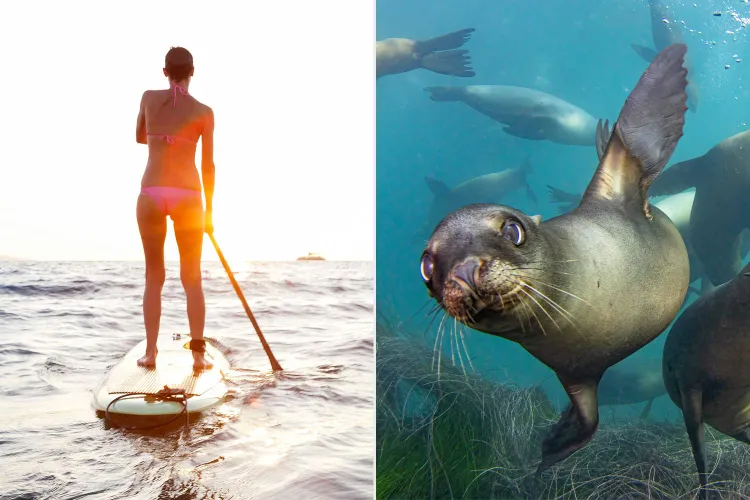
An experienced paddleboarder was injured after a sea lion knocked her into the water and repeatedly bit her off the coast of Santa Cruz, California. The unusual encounter has raised questions about the health and behavior of marine mammals in Monterey Bay.
Heather Gray, a 60-year-old resident of Capitola, described the frightening experience after encountering an aggressive sea lion while paddleboarding on September 22, 2026.
The incident lasted several minutes and left Gray with multiple bite wounds. Marine wildlife experts say such aggressive encounters are extremely rare.
Sea Lion Attacks Experienced Paddleboarder
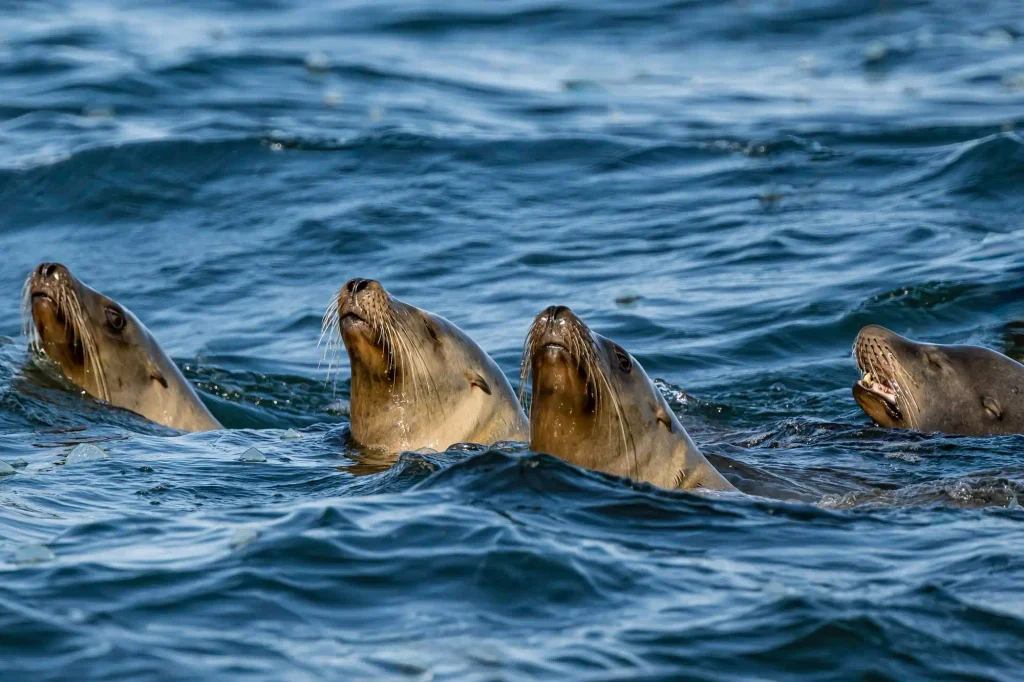
Gray was heading toward a popular surfing location in Monterey Bay when she noticed a sea lion swimming unusually fast in her direction.
Before she could react, the animal disappeared beneath the surface and struck her paddleboard from below, knocking her into the ocean.
Once Gray was in the water, the sea lion began attacking her.
According to her account, the animal grabbed her hair before biting her hand, forearm and upper arm.
Its sharp teeth punctured her wetsuit and skin.
Gray attempted to defend herself using her paddle, but the sea lion repeatedly returned.
The encounter continued for several minutes before she finally managed to climb back onto her board.
She then paddled toward shore while the sea lion followed her for part of the journey.
The frightening incident was captured by a Surfline camera broadcasting live footage of the area.
Paddleboarder Receives Medical Treatment
After reaching safety, Gray visited an urgent care clinic to receive treatment for her injuries.
Medical professionals treated her bite wounds and prescribed antibiotics. She also received a tetanus vaccination and later underwent precautionary rabies treatment.
Despite having decades of paddleboarding experience in the area, Gray said she had never experienced anything similar.
She regularly encounters sea lions and other marine animals while spending time in Monterey Bay.
However, this encounter was different from the normal wildlife interactions she had experienced throughout her years on the water.
Another Aggressive Sea Lion Encounter Reported
Gray’s experience was not the only report of aggressive sea lion behavior in Santa Cruz that day.
According to the Marine Mammal Center, at least two incidents involving an aggressive sea lion were reported in the area.
However, experts have not confirmed whether the same animal was responsible for both encounters.
Because the sea lion involved in Gray’s attack was not captured or examined, scientists cannot determine exactly what caused its unusual behavior.
Although sea lions are powerful wild animals, attacks involving repeated bites are considered highly unusual.
The incidents have renewed attention on the importance of understanding marine mammal behavior and maintaining a safe distance from wildlife.
Could Toxic Algae Explain the Sea Lion’s Behavior?
One possible explanation being considered is domoic acid poisoning, a condition caused by a neurotoxin produced during certain harmful algal blooms.
Domoic acid can accumulate in small fish and other marine organisms that sea lions eat.
When affected prey is consumed, the toxin can enter a sea lion’s body and damage its nervous system.
Poisoned animals may experience serious neurological symptoms, including seizures and changes in behavior.
Severe cases can also cause life-threatening health complications.
Earlier in the summer, the Marine Mammal Center reported cases of sea lions and fur seals becoming stranded along the California coast with signs of domoic acid poisoning.
Some of these cases were concentrated around the Monterey Peninsula.
However, there is no confirmed evidence that domoic acid poisoning caused the attack on Gray.
Without examining the animal, scientists cannot establish whether illness, another environmental factor or a different cause influenced its behavior.
Understanding Domoic Acid Poisoning in Sea Lions
Harmful algal blooms occur when certain algae multiply rapidly in marine environments.
Some algae produce toxins that enter the marine food chain and affect animals that consume contaminated prey.
Domoic acid is particularly dangerous to marine mammals because it can damage the nervous system.
Key Facts About Domoic Acid Poisoning
| Category | Information |
|---|---|
| Toxin | Domoic acid |
| Source | Certain harmful algal blooms |
| Exposure | Eating contaminated fish and other prey |
| Affected wildlife | Sea lions, fur seals and other marine animals |
| Possible symptoms | Seizures and neurological problems |
| Severe complications | Serious illness and potentially fatal complications |
Marine conservation organizations monitor harmful algal blooms and respond to affected wildlife.
These efforts help scientists understand the environmental conditions that contribute to marine animal illnesses.
How to Stay Safe Around Sea Lions
Following the reported incidents, marine wildlife experts have reminded ocean visitors to maintain a safe distance from sea lions and other marine mammals.
Although aggressive encounters are uncommon, sea lions are large, powerful animals that can behave unpredictably.
People enjoying coastal waters should take appropriate precautions, particularly when animals appear distressed or behave unusually.
Important Safety Tips
- Keep your distance: Never intentionally approach, touch or attempt to feed sea lions.
- Watch for unusual behavior: Avoid animals that appear distressed, aggressive or disoriented.
- Remain calm: If a sea lion approaches, avoid sudden movements and carefully move away when possible.
- Do not interact with sick animals: Contact trained marine wildlife responders if you encounter a stranded or visibly ill sea lion.
- Seek medical attention: Any bite that breaks the skin should receive prompt medical assessment because of the risk of infection.
Respecting wildlife and maintaining a safe distance helps protect both people and marine animals.
Why Marine Wildlife Monitoring Matters
The incident highlights the importance of monitoring the health of marine mammal populations along the California coast.
Sea lions play an important role in marine ecosystems, but they can be affected by changing environmental conditions, pollution and harmful algal blooms.
Wildlife rescue organizations monitor stranded or sick animals to identify potential health threats.
Their research also helps scientists understand how environmental changes affect marine ecosystems and wildlife behavior.
Continued monitoring is particularly important in areas such as Monterey Bay, where marine mammals and recreational ocean users frequently share the same waters.
Conclusion
The unusual sea lion attack on Heather Gray in Santa Cruz has raised concerns about marine wildlife behavior and possible environmental health risks.
Although Gray escaped and received medical treatment, the incident demonstrates that encounters with large marine mammals can sometimes become dangerous.
Scientists have not determined what caused the animal’s aggressive behavior, and any connection to domoic acid poisoning remains unconfirmed.
The incident serves as a reminder that sea lions are powerful wild animals and should always be observed from a safe distance.
Respecting marine wildlife and following ocean safety guidelines are essential for protecting both people and animals along California’s coastline.