

INTERPOL’s Largest Wildlife Crime Operation Yet
INTERPOL recently carried out the largest operation ever in its annual global crackdown on wildlife trafficking. The effort brought together police and enforcement agencies from around the world to stop the illegal trade of animals and animal products.
The operation, called Operation Thunder, resulted in thousands of raids and massive seizures across multiple continents.
A Month of Global Action
Operation Thunder took place between September 15 and October 15. During that time, authorities conducted 4,620 raids across 134 countries, marking a 30% increase from last year.
National police, customs officers, border patrol agents, and wildlife authorities all worked together. Their shared goal was to disrupt criminal networks that profit from poaching and illegal wildlife trade.
Thousands of Animals Rescued
Law enforcement teams seized around 30,000 live animals before traffickers could sell or move them into illegal captivity.
Among the rescued animals were:
- 6,160 birds
- 2,040 terrapins
- 1,150 reptiles
- 208 primates
- 49 pangolins
- 10 big cats
- About 19,000 other animals, including mammals, fish, amphibians, and a growing number of insects and arachnids
Many of these species face serious threats in the wild, making each rescue especially important.
Illegal Animal Products Seized
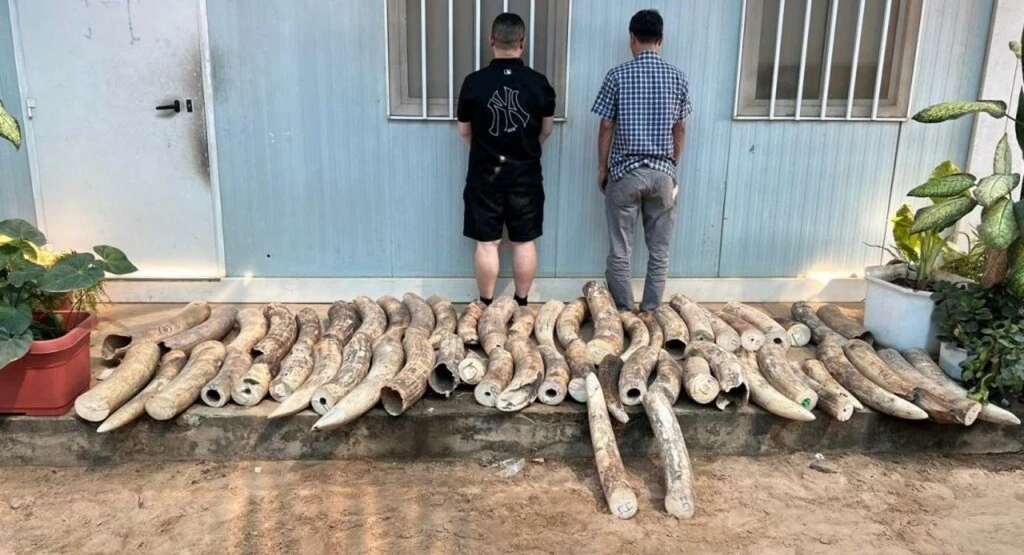
Authorities also confiscated a much larger volume of animal parts and derivatives. These included shark fins, pangolin scales, elephant ivory, tortoiseshell, and other high-value wildlife products.
One encouraging sign stood out. Officers found only seven rhino horns among more than 100,000 seized items. This suggests that long-term efforts to protect rhinos may be making a difference.
Shifting Tactics by Criminal Networks
While traffickers now deal less frequently in large, well-known animals, they have shifted toward other targets. Officials noted sharp increases in illegal trade involving exotic insects and timber.
During the operation, authorities seized 14,000 tons of illegally logged wood. Experts believe this amount represents up to one-third of the global illegal timber market, highlighting the scale of the problem.
Arrests and Criminal Investigations
INTERPOL identified 1,100 suspects during the operation. It also issued 69 official notices to alert police forces worldwide about criminal activity linked to wildlife trafficking.
These actions disrupted supply chains and slowed the movement of illegal goods across borders.
Intelligence That Will Shape the Future
Months of preparation made the operation possible. Participating countries shared intelligence, coordinated investigations, and worked closely with INTERPOL and the World Customs Organization.
The information gathered will help authorities map global trafficking networks, predict new smuggling methods, and stop crimes earlier. Officials believe this intelligence will strengthen future efforts against wildlife crime.
A Major Financial Blow to Traffickers
INTERPOL did not release a full estimate of the value of the seized items. However, goods confiscated in Tanzania alone exceeded $500,000. Based on those numbers, experts believe criminal networks may have lost tens of millions of dollars in illegal profits.
A Strong Step Forward
Operation Thunder shows what global cooperation can achieve. By working together, countries sent a clear message: wildlife crime is serious, organized, and will be met with coordinated resistance.
The operation not only saved thousands of animals but also weakened the networks that threaten wildlife worldwide.