

She dropped everything to help.
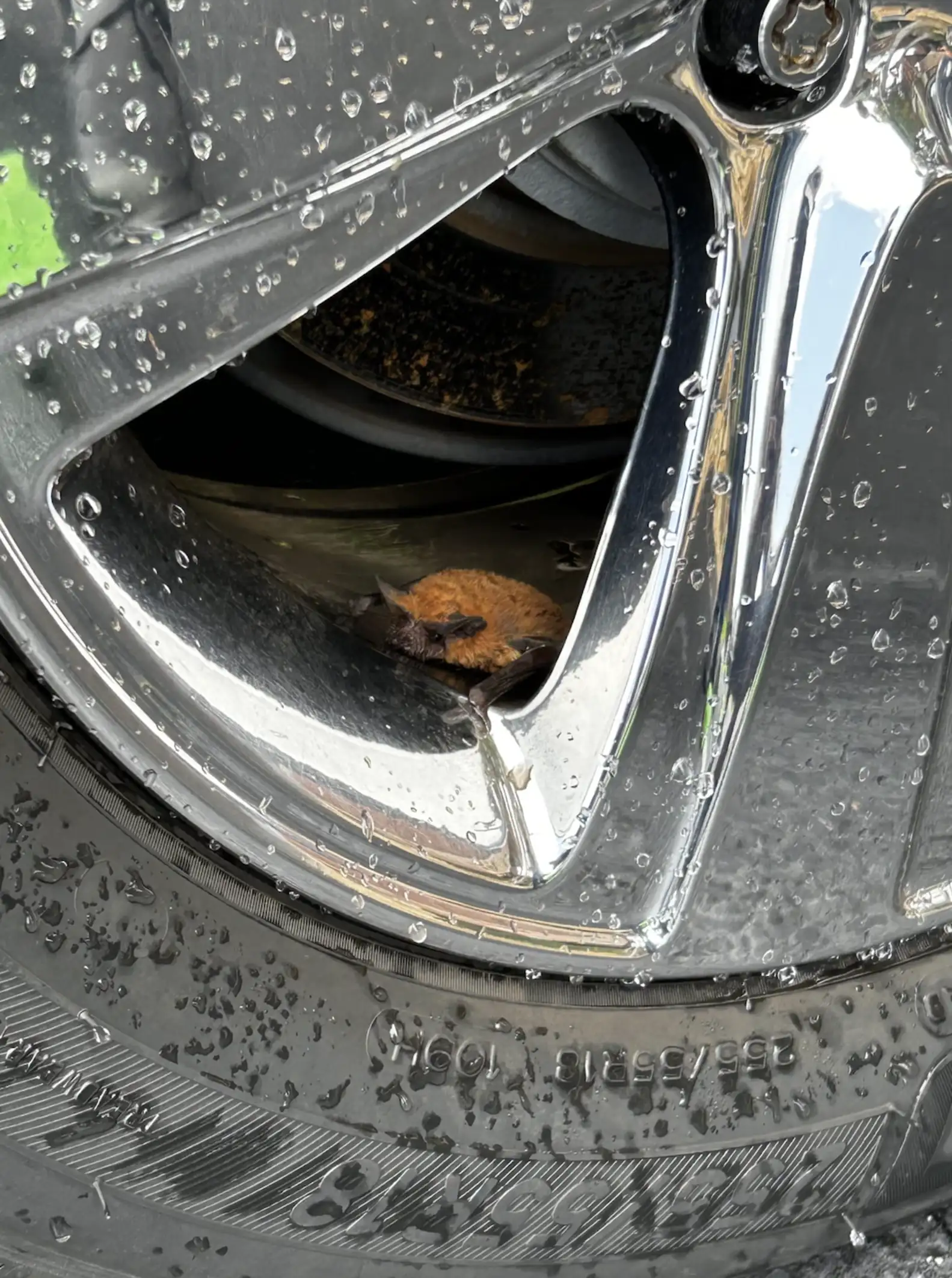
A woman in Davie, Florida, was washing her car when she spotted something unexpected tucked inside the wheel well — a tiny clump of fur that turned out to be a bat.
The little animal wasn’t moving. She wasn’t trying to fly away. Something was wrong.
A feisty patient
The woman called South Florida Wildlife Center, and staff admitted the bat right away. She turned out to be a Brazilian free-tailed bat — one of the most abundant mammals in North America, with tens of millions living across the continent.
The examination didn’t go entirely smoothly.

“Although she was understandably feisty during her examination, she was alert, responsive, and showed no evidence of injury or illness,” said Haillie Mesics, SFWC’s development associate and marketing specialist.
Feisty, it turned out, was a good sign.
Small but mighty
Brazilian free-tailed bats are remarkable animals. They are among the fastest flying mammals on Earth, capable of reaching speeds exceeding 90 miles per hour. Each night, they cover vast distances hunting moths, beetles, mosquitoes, and other flying insects — quietly keeping ecosystems in balance in ways most people never notice.
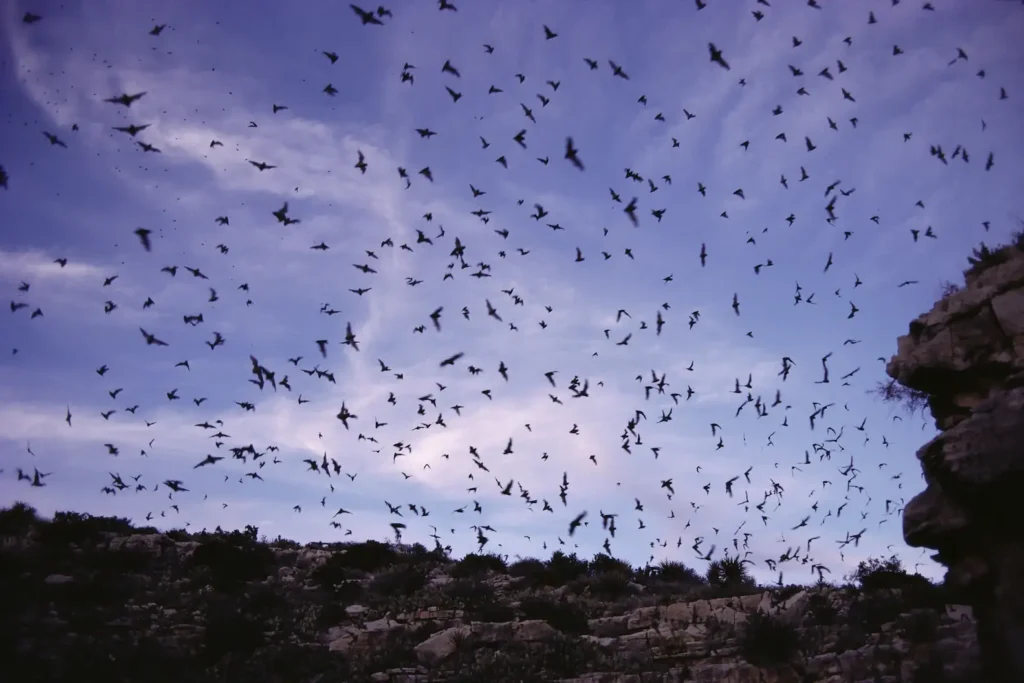
“Bats are some of the most misunderstood yet ecologically important mammals in the world,” Mesics said. “As the only mammals capable of true power flight, they play a critical role in maintaining healthy ecosystems by consuming vast numbers of insects each night.”
One night of care
Despite appearing largely healthy, the team decided to keep her overnight. Bats can become dangerously dehydrated very quickly, and the center wanted to be sure before releasing her. She received fluids and was monitored closely through the night.
By morning, she was ready.
Home before she knew it
Staff transported her to an outdoor area near where she’d been found and opened the carrier. They didn’t even need to coax her out.
“I didn’t even have to help her out of the soft carrier — it was like she knew she was back home,” said release coordinator Melanie Lemieux. “She took off across the water, and I stayed to watch her fly.”
Then something happened that made the moment even sweeter. From a nearby palm frond, other bats began to emerge — and one by one, they joined her in the sky.
“Seeing this bat successfully reunite with her roost after just a day of monitoring was an excellent reminder of how important timely rehabilitation and release can be for these highly social mammals,” said director of operations Carolina Montano.
One car wash. One phone call. One bat, back where she belonged.