

What began as an investigation into suspected animal neglect in Oklahoma turned into a massive rescue mission when authorities discovered dozens of animals living in troubling conditions.
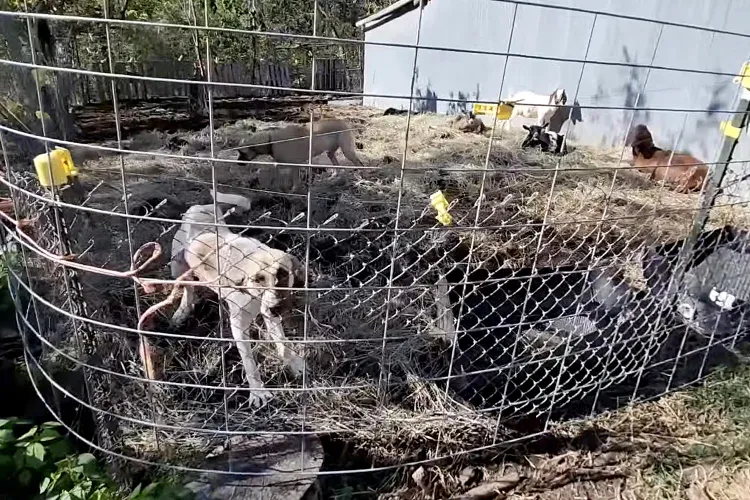
Dogs, cats, horses, cows, goats, and several types of birds were among the animals found at a property in Wagoner County.
Investigators reported signs of malnutrition, inadequate veterinary care, and poor living conditions. They also discovered animals that had already died.
Over two days, deputies and rescue teams worked to remove 100 surviving animals from the property, giving them a chance to receive the care and protection they needed.
But the operation didn’t end when the animals were removed.
It marked the beginning of an even bigger effort to help them recover and find safe places to live.
Months of Animal Neglect Reports Lead to Oklahoma Rescue Operation
For several months, the Wagoner County Sheriff’s Office had been investigating concerns about animals living at a property in the Lakecrest area of Oklahoma.
Authorities had received reports suggesting that the animals were not receiving appropriate care.
Rather than immediately removing them, investigators initially attempted to work with the person responsible for their welfare.
The department hoped the situation could be improved and that the animals would receive the attention they needed.
“Our goal was to be a helping hand and give the individual an opportunity to make things right,” the sheriff’s office explained in a Facebook update.
However, officials said their efforts did not lead to sufficient improvements.
As concerns continued, investigators determined that stronger intervention was necessary.
Deputies Discover Animals in Poor Living Conditions
On Thursday, November 5, 2026, sheriff’s deputies arrived at the property with a search warrant.
The conditions they encountered raised serious concerns about the animals’ health and safety.
According to the sheriff’s office, investigators found animals showing signs of malnutrition and insufficient veterinary attention.
The property also contained deceased animals, although officials did not specify how many had died or which species were involved.
The situation involved far more than one type of animal.
Dogs, cats, horses, cattle, goats, chickens, ducks, and a turkey all required assistance.
With so many different species involved, rescuers faced the challenge of arranging safe transportation and appropriate care for each animal.
The scale of the operation quickly became apparent.
Rescue Teams Remove 89 Animals on the First Day
During the first day of the operation, deputies and rescue personnel successfully removed 89 animals from the property.
Transporting such a large group required careful coordination.
Different animals needed different handling methods, and the teams had to make sure suitable transportation was available.
But as the day progressed, rescuers encountered a problem.
There wasn’t enough transportation capacity to remove every animal immediately.
Eleven dogs remained at the property overnight because the teams could not safely transport them with the resources available.
The sheriff’s office arranged to return the following day.
On November 6, investigators arrived with a second search warrant and removed the remaining 11 dogs.
That brought the total number of rescued animals to 100.
For the deputies and volunteers involved, it was an important step toward giving the animals a safer future.
Authorities Explain Why the Animals Had to Be Removed
According to the sheriff’s office, investigators had initially hoped to resolve the animal welfare concerns through cooperation.
However, the department concluded that the animals still were not receiving the level of care they required.
“Unfortunately, despite those efforts, the individual could not or would not provide the animals with the level of care they needed and deserved,” officials explained.
The department ultimately decided that removing the animals was necessary to protect their welfare.
Authorities also indicated that potential criminal charges were being submitted to the Wagoner County District Attorney’s Office for review.
At the time of the initial announcement, officials had not confirmed any arrests or filed charges.
The investigation therefore remained a legal matter separate from the immediate effort to care for the rescued animals.
Animal Rescue Organizations Step In to Help All 100 Animals
Once the animals were removed, authorities faced another major challenge.
Where could 100 animals receive appropriate care?
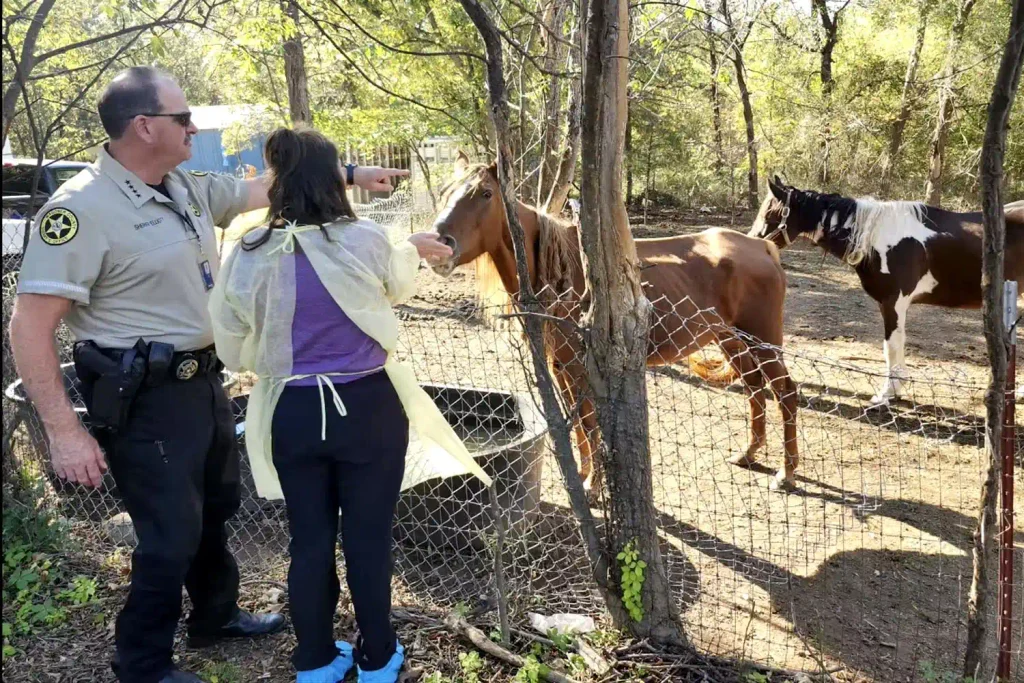
Some required facilities suitable for large farm animals, while others needed shelter environments equipped to care for dogs, cats, and birds.
To coordinate assistance, the Wagoner County Sheriff’s Office activated its Badges & Paws program.
The initiative connects animal welfare organizations and community partners to help animals removed from unsafe situations.
Several organizations stepped forward to assist, including Oklahoma Alliance for Animals, Tulsa SPCA, Unchain OK, and Blaze’s Tribute Equine Rescue.
Their combined efforts are helping provide appropriate care and safe placements for the animals.
The rescue organizations are helping address the different needs of the animals while coordinating their next steps.
For animals that have experienced prolonged neglect, recovery may require veterinary assessments, improved nutrition, safe housing, and time to regain strength.
Finding suitable placements is therefore an important part of the rescue effort.
Sheriff Says Rescuing Animals Is Only the Beginning
Wagoner County Sheriff Chris Elliott emphasized that the department’s responsibility did not end when the animals were taken off the property.
“100 animals deserved better, and we had a responsibility to make sure they got that chance,” Elliott said.
His message reflected the importance of providing continued support after an animal rescue operation.
Removing animals from dangerous or unsuitable conditions is only one stage of helping them recover.
They also need dependable food, appropriate shelter, medical attention, and safe long-term arrangements.
For the sheriff’s office, coordinating these services through Badges & Paws is an essential part of the mission.
The department hopes that partnerships with animal welfare organizations and community members will help the rescued animals move toward healthier lives.
Community Members Are Encouraged to Support the Rescued Animals
Caring for 100 animals can place significant demands on shelters and rescue organizations.
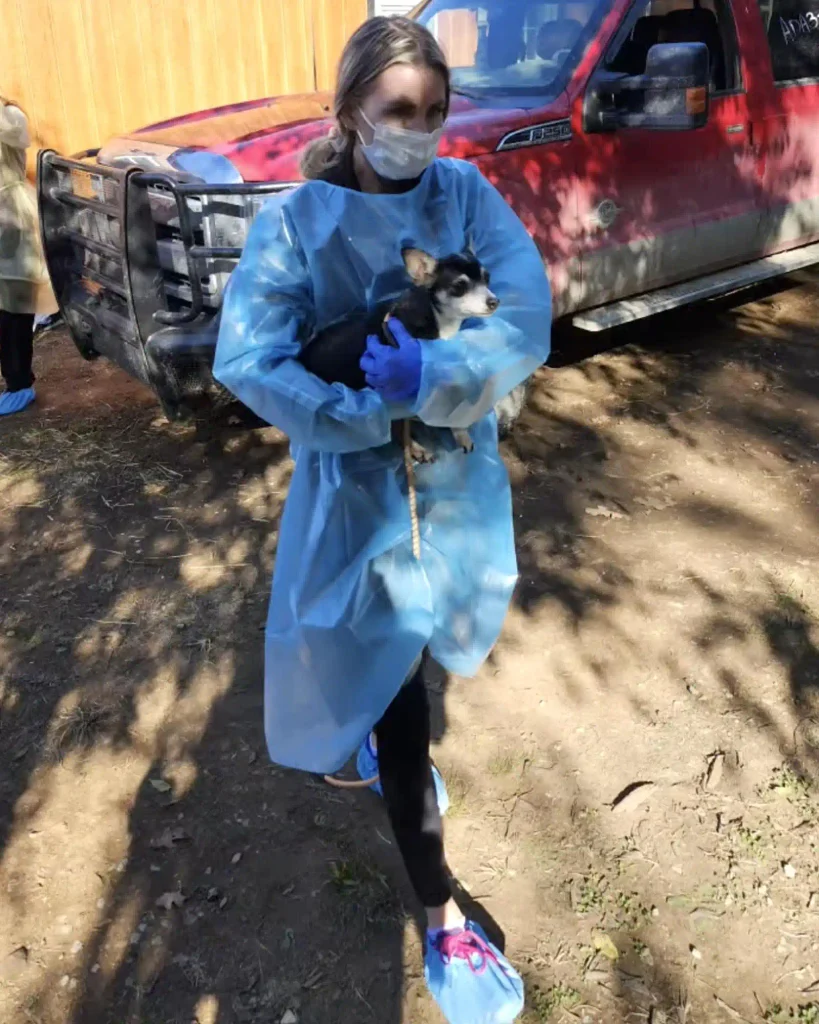
Food, veterinary treatment, housing, transportation, and other supplies may all be needed.
To help meet these needs, the Wagoner County Sheriff’s Office is encouraging community members to support the Badges & Paws initiative.
People interested in helping can inquire about donating animal food, supplies, or financial contributions.
The organizations assisting with the operation may also be able to provide information about other ways to support the animals.
Community involvement can make a meaningful difference, particularly when rescue teams are dealing with such a large number of animals at once.
Rescued Dogs, Cats, and Other Animals May Get a Fresh Start
As the animals receive care, rescue organizations will work toward determining suitable long-term arrangements.
Some may eventually become available for adoption, depending on their health, circumstances, and any legal requirements connected to the case.
People interested in adopting are encouraged to contact the organizations assisting with the rescue to learn about potential availability.
The main priority remains ensuring that every animal receives the care appropriate for its needs.
For animals that had reportedly been living in unsuitable conditions, being placed with qualified caregivers is an important first step.
Although their individual futures have not all been determined, the rescue has created an opportunity for safer and more stable lives.
A Second Chance for 100 Animals in Oklahoma
The Wagoner County rescue highlights the importance of animal welfare investigations, coordinated rescue operations, and community support.
After months of concerns, investigators took action to remove animals from a property where authorities reported inadequate care.
Over two days, deputies and rescue teams brought 100 animals to safety.
Animal welfare organizations then stepped in to help provide the resources and care necessary for their next chapter.
Sheriff Elliott emphasized that every individual animal matters, regardless of how large the rescue operation becomes.
“These 100 animals aren’t just a number,” he said. “They’re 100 lives that matter, and we’re going to do everything we can to give them the second chance they deserve.”
For the dogs, cats, horses, and other animals involved, the future is still taking shape.
But their rescue has given them an opportunity that may not have been possible without the people who stepped forward to help.
What began as a heartbreaking animal welfare investigation has become a community-wide effort to give 100 animals the care, safety, and second chance they deserve.