

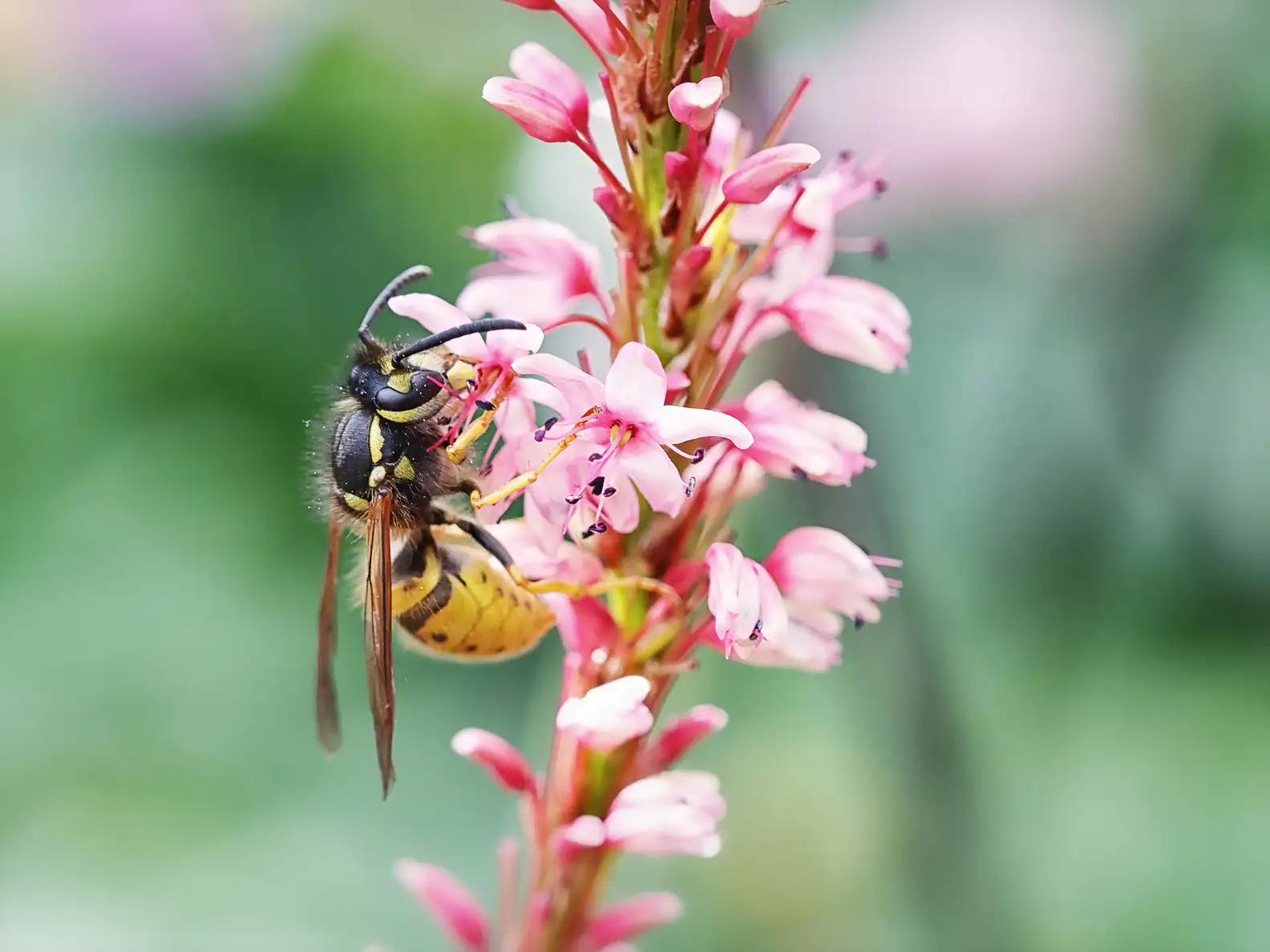
“We are friends.”
Wasps have a reputation that few other insects can rival. While bees are widely admired for their importance to the environment, wasps are often treated as unwanted visitors that should be eliminated immediately.
But one homeowner is challenging that perception and encouraging people to reconsider how they treat these misunderstood creatures.
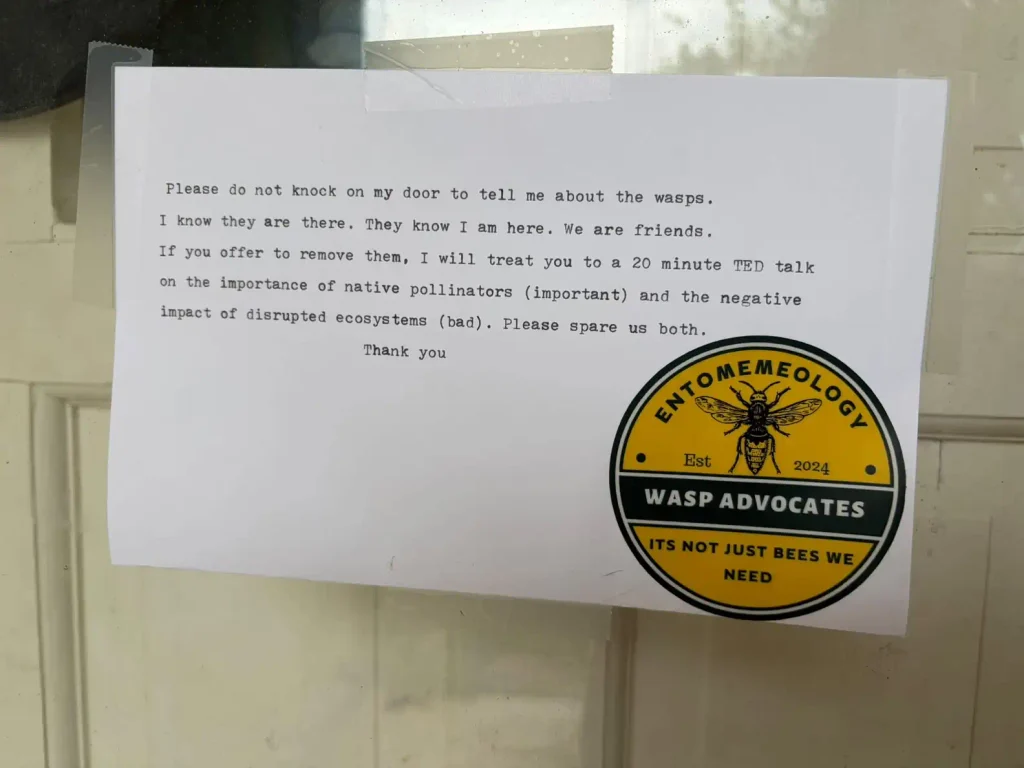
Rather than calling pest control, Leslie B. has chosen to welcome the wasps living near her front porch. She’s even put up a special sign explaining why she refuses to have them removed.
Her decision is helping spread an important message about biodiversity, pollinators and the benefits of living peacefully alongside wildlife.
A Front Porch That Has Become a Wildlife Haven
Leslie’s front porch is surrounded by a thriving little ecosystem. A large flame acanthus plant growing nearby attracts bees, hummingbirds, wasps and other wildlife.
For Leslie, watching these creatures visit her garden is one of the pleasures of having such a lively outdoor space.
She appreciates the role each visitor plays in the surrounding environment and has no desire to interfere with the natural activity taking place outside her home.
Unfortunately, not everyone shares her enthusiasm.
Pest control salespeople regularly approach Leslie’s property, offering their services to eliminate the wasps living near her porch.
But Leslie has no intention of accepting their offers.
Instead of repeatedly explaining her decision to every salesperson who knocks on her door, she came up with a simple solution: a sign explaining why the wasps are welcome and why they aren’t going anywhere.
Her unusual approach reflects a belief that animals shouldn’t automatically be considered pests simply because people find them intimidating.
Why Leslie Believes Wasps Deserve a Better Reputation
Despite their intimidating appearance, Leslie says she has never experienced a negative encounter with the wasps sharing her property.
She believes much of the hostility directed toward these insects comes from misunderstandings about their behavior.
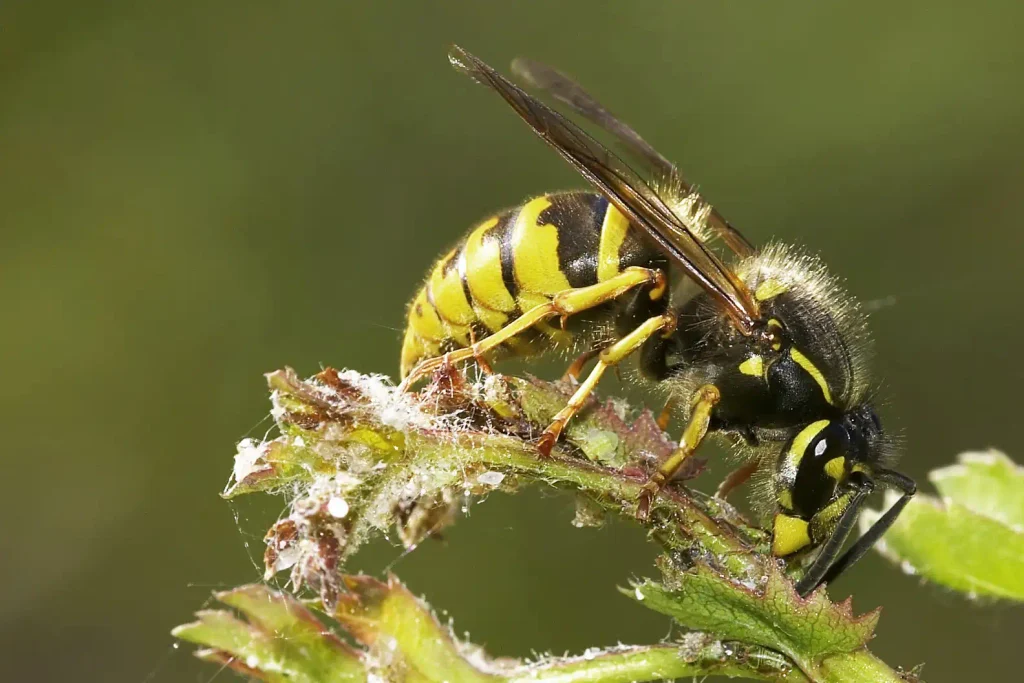
Although wasps are capable of stinging, they generally aren’t interested in attacking people without a reason. Many defensive encounters occur when the insects perceive a threat to themselves or their nests.
Different wasp species have different temperaments, and some are considerably more defensive than others. Nevertheless, Leslie believes that automatically treating every wasp as dangerous does these insects an injustice.
She also points out an interesting contradiction in how people view pollinating insects.
Bees are often celebrated for their contribution to the environment, while wasps rarely receive the same appreciation.
Yet wasps also visit flowers, transport pollen and contribute to healthy ecosystems.
In addition to pollination, many wasp species hunt other insects, helping regulate populations that might otherwise damage plants and crops.
Leslie believes these ecological benefits deserve considerably more attention.
While she understands why people may be nervous around stinging insects, she hopes greater awareness will encourage them to distinguish between genuine safety concerns and unnecessary fear.
An Online Community Is Changing How People See Wasps
Leslie isn’t the only person working to improve the public image of these misunderstood insects.
She belongs to an online community called Entomemeology , which brings together people who share an interest in insects and other small creatures.
Within the community is a group known as the Wasp Advocates Caucus, founded by an insect enthusiast who goes by the name Wolfie.
Wolfie created the group after noticing a recurring contradiction among animal lovers.
While many people expressed affection for bees and other beneficial insects, they frequently described wasps as creatures that deserved to be exterminated.
To Wolfie, this difference in attitude seemed unfair, particularly because bees and wasps share several important ecological characteristics.
The Wasp Advocates Caucus aims to challenge these assumptions by sharing information about wasp behavior, environmental benefits and the important roles different species play in nature.
Members hope that replacing misconceptions with accurate information will help people develop a greater appreciation for insects they might otherwise fear.
Their message isn’t that people should ignore potentially dangerous situations. Rather, they encourage individuals to learn more about the animals they encounter before deciding how to respond.
Wasps Play an Important Role in Healthy Ecosystems
Although wasps frequently receive negative attention because of their ability to sting, their ecological contributions extend far beyond what most people realize.
Many wasp species feed on nectar and visit flowers, transferring pollen as they move between plants.
Others act as natural predators, feeding on caterpillars, flies and other insects.
Certain species also help control agricultural pests, making them valuable contributors to natural pest management.
These activities support biodiversity and help maintain the balance of local ecosystems.
However, their importance is often overshadowed by their reputation.
Unlike bees, which have become familiar symbols of environmental conservation, wasps are rarely the focus of campaigns encouraging people to protect pollinating insects.
Leslie and other wasp advocates hope to change that by showing people that the natural world depends on a wide variety of creatures, including those that may not appear particularly appealing.
Their efforts highlight a broader conservation principle: an animal doesn’t have to be cute, cuddly or universally loved to deserve consideration.
Learning to Live Peacefully Alongside Nature
For Leslie, her porch has become a small example of how humans and wildlife can share the same environment.
Rather than automatically removing every unfamiliar insect, she prefers to observe the creatures around her and understand their behavior.
Her experience has shown her that peaceful coexistence is possible when animals are given adequate space and people take sensible precautions.
Of course, wasp nests situated near frequently used entrances or areas occupied by people with severe sting allergies may require professional assessment. Coexistence doesn’t mean ignoring genuine safety risks.
But Leslie believes that removing insects simply because they are misunderstood should not be the automatic response.
She hopes her sign will encourage visitors, pest control salespeople and other homeowners to think differently about the wildlife sharing their surroundings.
Through her involvement with the Wasp Advocates Caucus, she also wants to demonstrate how education can replace unnecessary fear with understanding.
Her message extends beyond wasps to spiders, beetles, cockroaches and countless other creatures that frequently receive little sympathy.
Every species contributes to the environment in different ways, and understanding those contributions can help people make more thoughtful decisions about how they interact with wildlife.
For now, Leslie’s wasps remain exactly where they are: visiting the flowers, sharing the garden with bees and hummingbirds, and going about their lives undisturbed.
And thanks to one homeowner’s determination, they have found an unlikely advocate who is helping others recognize that even nature’s least popular creatures have a place in the world.