

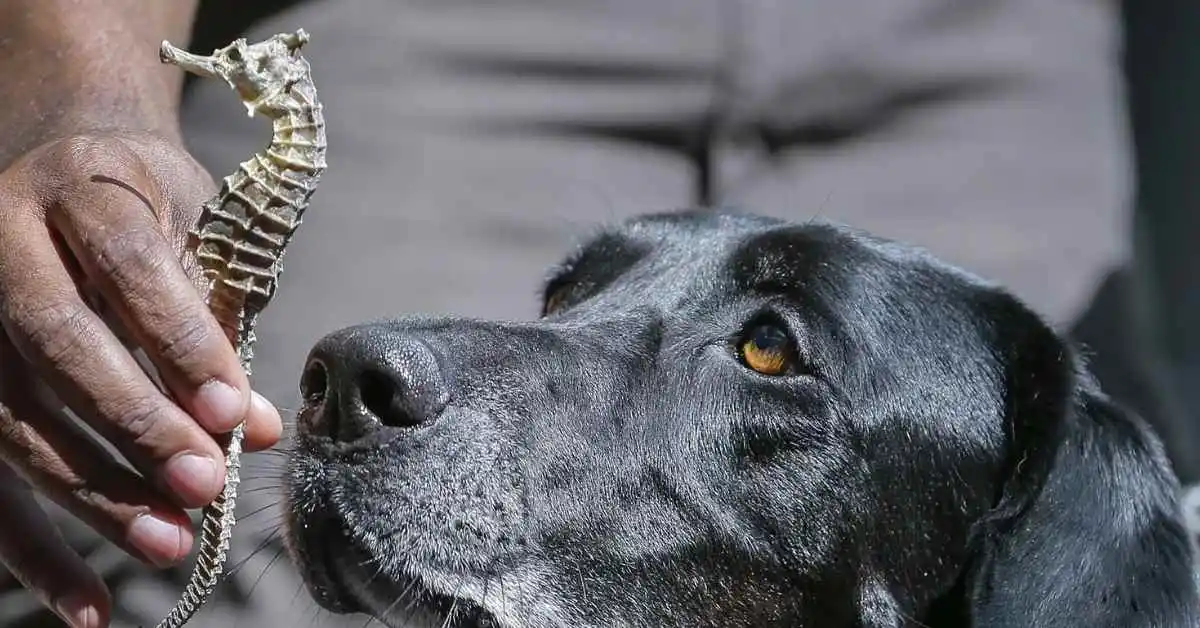
Wildlife trafficking is one of the world’s largest illegal trades, affecting at least 4,000 species of plants and animals. From mammals and reptiles to birds, corals and rare plants, countless species are being smuggled across borders every year.
One alarming example occurred in 2025, when authorities in Nigeria seized 3.7 tonnes of scales from the endangered Pangolin. Experts estimate the scales came from more than 1,900 individual animals.
But experts warn that seizures like this represent only a small fraction of the illegal trade.
Wildlife trafficking doesn’t just threaten biodiversity — it can also increase the risk of zoonotic diseases, where pathogens jump from animals to humans.
Smugglers Hide Wildlife in Global Shipping Routes
Traffickers move wildlife products around the world using the same global shipping networks that transport legal goods.
Shipping containers are particularly attractive to smugglers because:
- Containers carry about 90% of global cargo
- Only around 2% of containers are physically inspected
- Wildlife detection tools are limited
This means most illegal wildlife shipments likely pass through ports undetected.
A New Idea: Bring the Scent to the Dog
Researchers recently proposed a new approach to tackling this problem in a study published in Conservation Biology.
Instead of opening containers, scientists developed a system that samples the air inside them.
The method works like this:
- A portable air extraction device attaches to a container’s ventilation opening.
- Air from inside the container is pulled through a special filter, collecting scent particles.
- The filter sample is then presented to a trained detection dog.
If the dog detects the scent of illegal wildlife products, it alerts investigators.
Dogs Detect Hidden Wildlife With High Accuracy
To test the system, researchers hid animal pelts inside standard shipping containers to simulate smuggling scenarios.
The pelts belonged to five big cat species:
- Lion
- Tiger
- Leopard
- Snow leopard
- Cheetah
Even when the pelts were hidden inside boxes to simulate concealment, the detection dog identified them with nearly 98% accuracy.
This proves that scent particles from wildlife products can escape into container air and be captured by the sampling system.
Why This Method Could Be a Game Changer
Detection dogs are already used by customs agencies around the world, but inspecting thousands of containers in busy ports is extremely difficult.
Containers may be:
- stacked high
- inaccessible
- unsafe for dogs to approach
By extracting air samples instead, officers can screen many containers quickly without opening them.
The system is also:
- portable
- low-cost
- easy to deploy in high-risk ports
Potential Beyond Wildlife Crime
Researchers say the technology could also be adapted to detect other illegal goods, including drugs and contraband.
Further trials are planned at major shipping ports to test how well the system works in real-world conditions.
Scientists are also experimenting with machines that can analyze scent samples automatically — although trained dogs currently remain more accurate than existing technology.
Protecting Wildlife and Public Health
By combining air-sampling technology with canine detection, researchers hope to provide authorities with a powerful new tool to disrupt wildlife trafficking networks.
Stopping these crimes could help protect endangered species, strengthen global law enforcement, and reduce the risks associated with illegal wildlife trade.
In the fight against wildlife trafficking, even something as small as a sample of air — and the nose of a well-trained dog — may make a big difference. 🐕🌍