

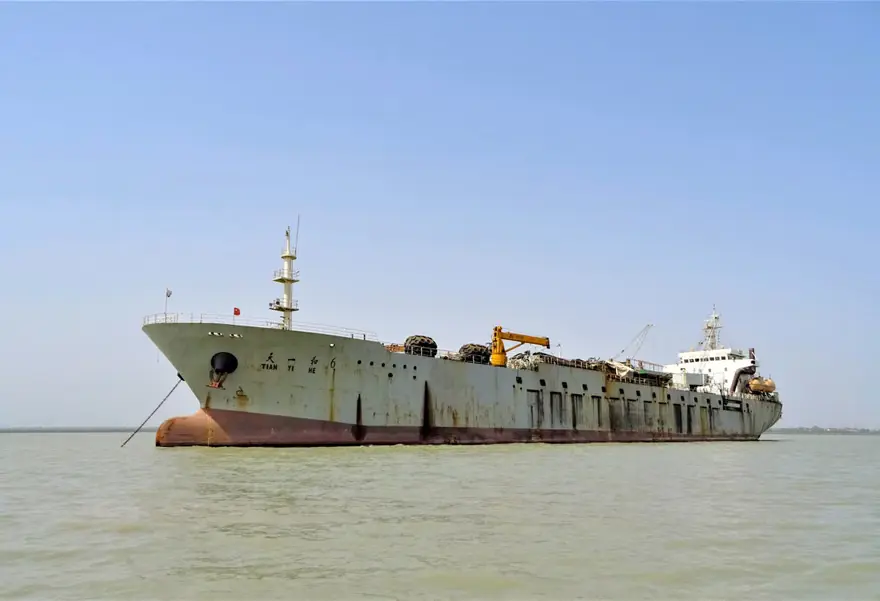
An investigation by The Guardian and environmental watchdog DeSmog has uncovered a large illegal fishing operation turning thousands of tonnes of fish into fishmeal and oil off the coast of Guinea-Bissau.
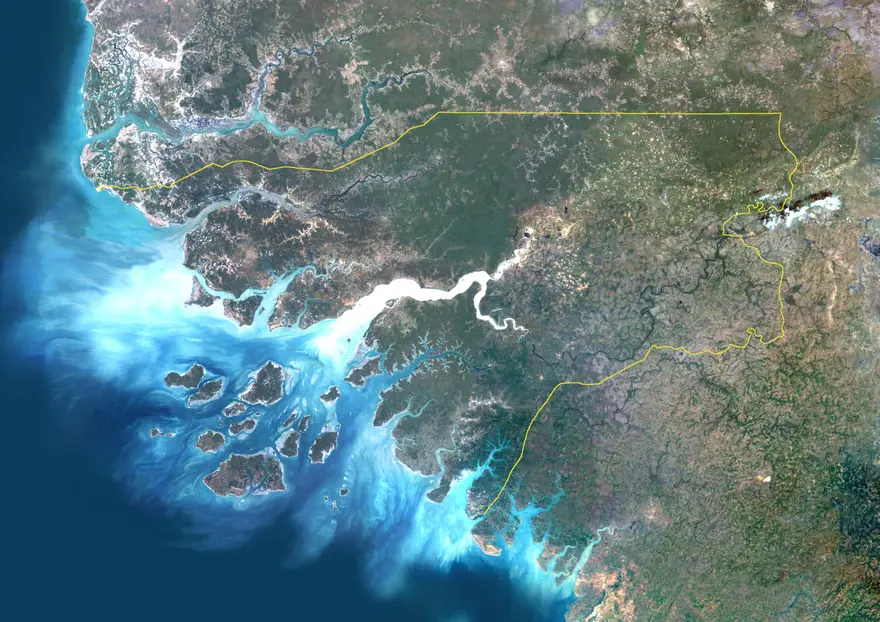
The activity is taking place near the Bijagós Archipelago, an ecologically important marine reserve sometimes described by scientists as “the Galápagos of West Africa.”
Evidence suggests industrial vessels are exploiting fish stocks that local communities rely on for food and income.
A Marine Sanctuary Under Pressure
The Bijagós archipelago consists of 88 islands with shallow waters that serve as breeding grounds for many species.
Its ecosystem supports:
- migratory birds such as terns
- fish like Silver flat sardinella
- predators including barracudas and jacks
- marine mammals such as dolphins and whales
The area also hosts endangered wildlife like turtles and rare saltwater hippos.
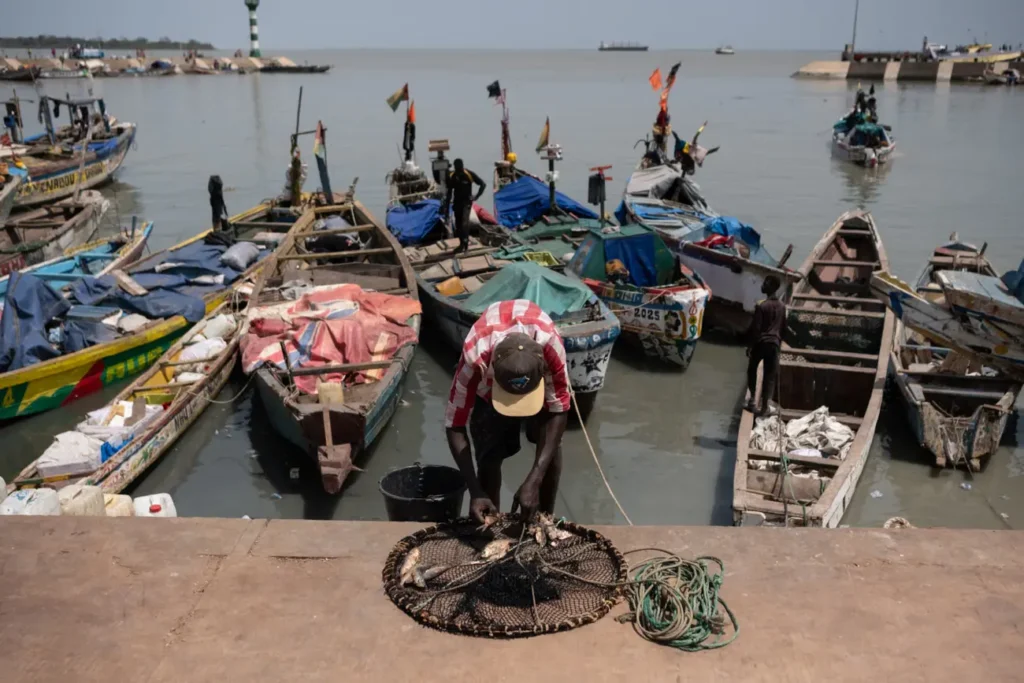
Because of its ecological value, only small-scale artisanal fishing using wooden canoes is permitted inside the protected waters.
Floating Factories Processing Fish at Sea
Investigators identified two offshore vessels operating as floating fishmeal factories, including the Chinese-owned ship Hua Xin 17.
These ships process freshly caught fish into fishmeal and fish oil, products commonly used to feed farmed fish, shrimp and livestock.
Satellite data from Global Fishing Watch suggests a fleet of Turkish purse-seine fishing boats supply these factories.
However, the investigation found evidence that some of these vessels:
- fished illegally inside protected waters
- turned off their tracking systems near the marine reserve
- transferred fish at sea, bypassing port inspections
Such practices are typical signs of illegal, unreported and unregulated (IUU) fishing.
Threat to Local Communities
For many people in Guinea-Bissau, small fish like sardinella are a vital source of food and income.
The country relies heavily on fishing:
- Fish provide about one-third of animal protein consumed nationally
- The fishing sector supports around 225,000 jobs
- The population is about 2.2 million people
Environmental groups warn that converting food fish into fishmeal for export could worsen food insecurity in the region.
According to Greenpeace campaigner Aliou Ba, these practices divert food away from local communities to supply global aquaculture industries.
Harsh Conditions on Factory Ships
A Guinean sailor who worked aboard the Hua Xin 17 described difficult conditions for local crew members.
He reported that workers processed fish in six-hour shifts, producing large quantities of fishmeal each day.
The sailor also alleged that Guinean workers were given only rice for meals while foreign crew members had separate food and accommodation.
Video footage shared with investigators shows freshly caught fish moving along an onboard processing line.
Fishmeal Entering Global Supply Chains
Trade data analysis suggests that fishmeal produced offshore eventually enters international markets.
Some shipments were traced to companies in South America, including shrimp-feed producers connected to global aquaculture supply chains.
Environmental group Oceana warns that fishmeal products can enter global markets without clear documentation about species or origin, making illegal catches harder to trace.
Government Responds With Sweeping Ban
In early 2026, the government of Guinea-Bissau announced a major crackdown.
The fisheries ministry introduced a nationwide ban on fishmeal and fish oil production, both:
- at sea
- on land
Licences for purse-seine fishing targeting small pelagic fish were also suspended.
Conservation groups say the move could help protect fish stocks and safeguard local food supplies.
Enforcement Challenges Ahead
While environmental organizations have praised the ban, experts warn that enforcing it may be difficult.
Guinea-Bissau has limited capacity to monitor activities at sea, and illegal fishing fleets often operate far offshore.
At the same time, local fishers say they still need support — including better infrastructure such as ice factories and cold storage — to safely store and sell their catch.
Without those improvements, communities may continue to struggle even as new conservation rules take effect.