

The Hidden World Beneath Snow — and Why It’s Disappearing
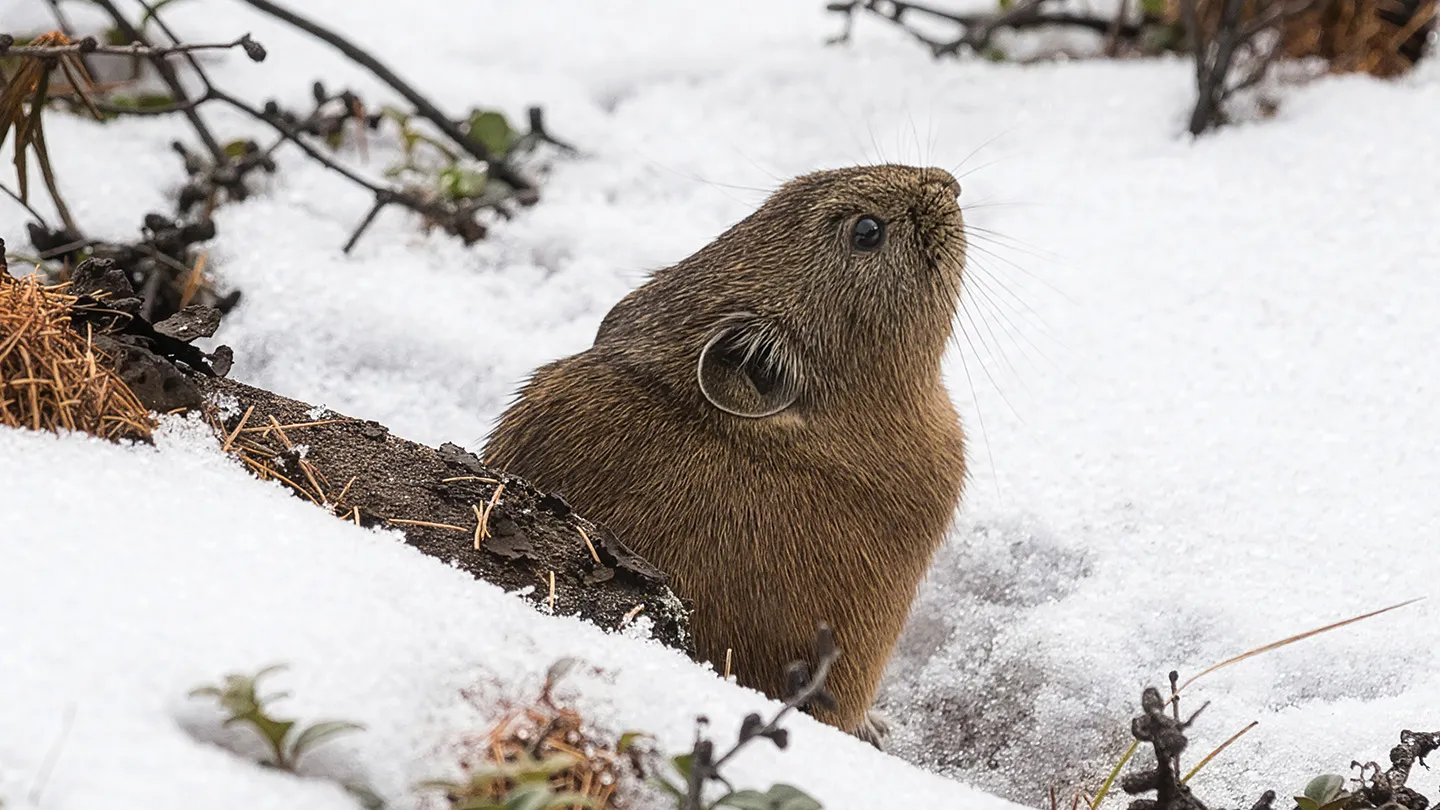
When snow blankets the ground, the world above seems frozen and still. But beneath the snow lies a hidden ecosystem called the subnivium — a network of tiny air pockets between the soil and snow where life continues all winter long.
This insulated space acts like a natural igloo. While surface temperatures can drop to –20°C, the ground below remains close to 1°C, warm enough for liquid water and living organisms to survive.
What Lives in the Subnivium?
The subnivium supports a surprising variety of life:
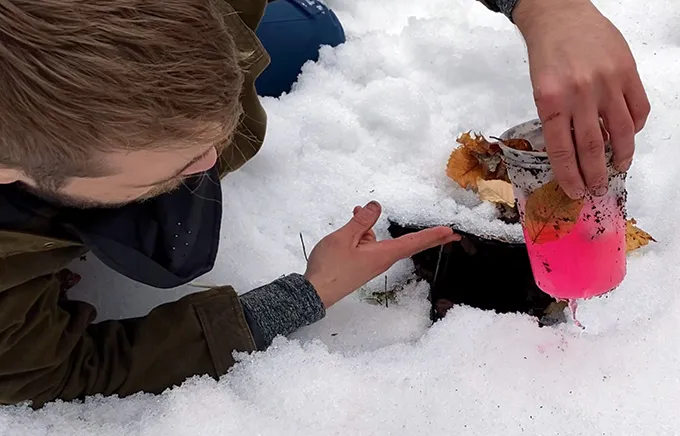
- Microbes and fungi decompose fallen leaves, storing carbon and releasing nutrients for spring plant growth.
- Arthropods like springtails, spiders, and rove beetles hunt, mate, and regulate microbial populations.
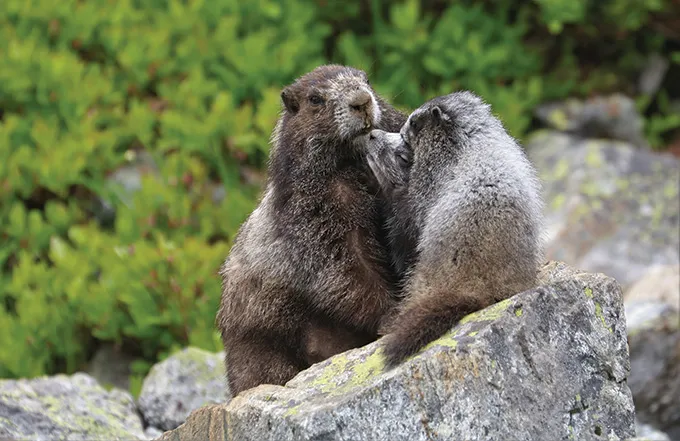
- Small mammals such as voles, lemmings, marmots, and pikas rely on the warmth to survive winter.
- Predators like American martens hunt within the snow tunnels.
- Birds such as ruffed grouse and ptarmigan dive into snowdrifts to roost safely.
This winter activity plays a critical role in forest health and nutrient cycling year-round.
Climate Change Is Collapsing This Winter Refuge
Warmer winters are shrinking snow cover. Across the Northern Hemisphere, snow cover has declined steadily for decades. As more precipitation falls as rain instead of snow, the insulating layer disappears — and so does the subnivium.
Scientists estimate the average subnivium season could shrink by more than two weeks by the end of the century. Without insulation:
- Soil freezes more often
- Plant roots and microbes die
- Nutrients are released too early
- Trees grow weaker and become more vulnerable to disease and pests
- Winter-adapted insects and animals face population collapse
In some regions, marmot populations have dropped by over 70% following low-snow winters.
Can the Subnivium Be Saved?
The most important step is reducing global carbon emissions. But researchers are also identifying climate refuges — shaded slopes, alpine zones, and forests with the right canopy balance — where snowpack may persist longer.
Forest management that allows enough sunlight for snow to reach the ground, while still providing shade to prevent melting, could help preserve these fragile winter ecosystems.
Why It Matters
The subnivium isn’t just a winter curiosity — it’s a foundation for forest health. Its loss could permanently alter food webs, soil fertility, and wildlife survival.
Where there is snow, scientists hope we can protect it, so this hidden world can continue quietly shaping life above it.