

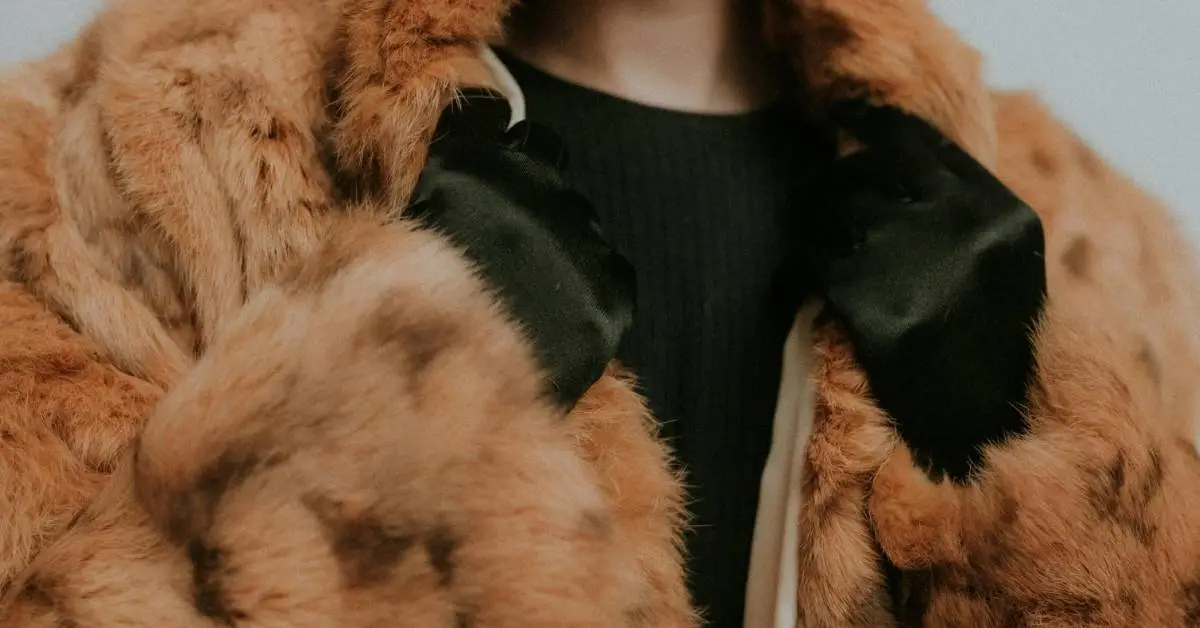
At the turn of the 19th century, people often called fur “soft gold.” However, in recent years, the industry has lost much of its value and influence.
Over the past decade especially, fur production has dropped sharply — a shift many advocates attribute to sustained animal welfare activism.
A Steep Global Decline
According to data compiled by Humane World for Animals, formerly known as the Humane Society, the number of animals farmed and killed for fur fell from 140 million in 2014 to just 20.5 million in 2024.
The data tracked species commonly used in the fur trade, including mink, foxes, chinchillas, and raccoon dogs.
At the same time, production declined significantly across major fur-producing regions such as China, Russia, North America, and the European Union — all historically central to the industry.
Decades of Activism
Industry analysts say this decline did not happen overnight.
Advocacy efforts against fur gained momentum in the 1980s. Since then, activists have consistently pressured brands, retailers, and consumers to reconsider the ethics of fur production.
Over the last decade, that pressure intensified. As public attitudes shifted, many high-profile fashion houses chose to eliminate fur from their collections entirely.
Brands and Lawmakers Respond
Major luxury brands gradually announced fur-free policies, signaling a broader transformation within the fashion world.
Meanwhile, activism began influencing public policy. In 2019, California enacted a statewide ban on fur sales — one of the most significant legislative moves against the industry in the United States.
These combined efforts — consumer demand, corporate decisions, and legal action — accelerated the industry’s contraction.
The Final Challenge
Despite the dramatic decline, advocates acknowledge that some parts of the industry remain active.
Supporters of fur-free initiatives argue that the final phase may prove the most challenging. Convincing the remaining brands and retailers to abandon fur entirely will likely require continued consumer pressure and additional legislative change.
Ultimately, advocates say lasting change depends on ensuring that policies permanently prevent a resurgence of the trade.
A Changing Fashion Landscape
What was once considered a symbol of luxury now faces widespread scrutiny.
Although the industry has not disappeared entirely, the numbers show a clear downward trajectory. Whether fur fades completely will depend on the next steps taken by brands, lawmakers, and consumers alike.