

“The homeowners were distraught and crying.”
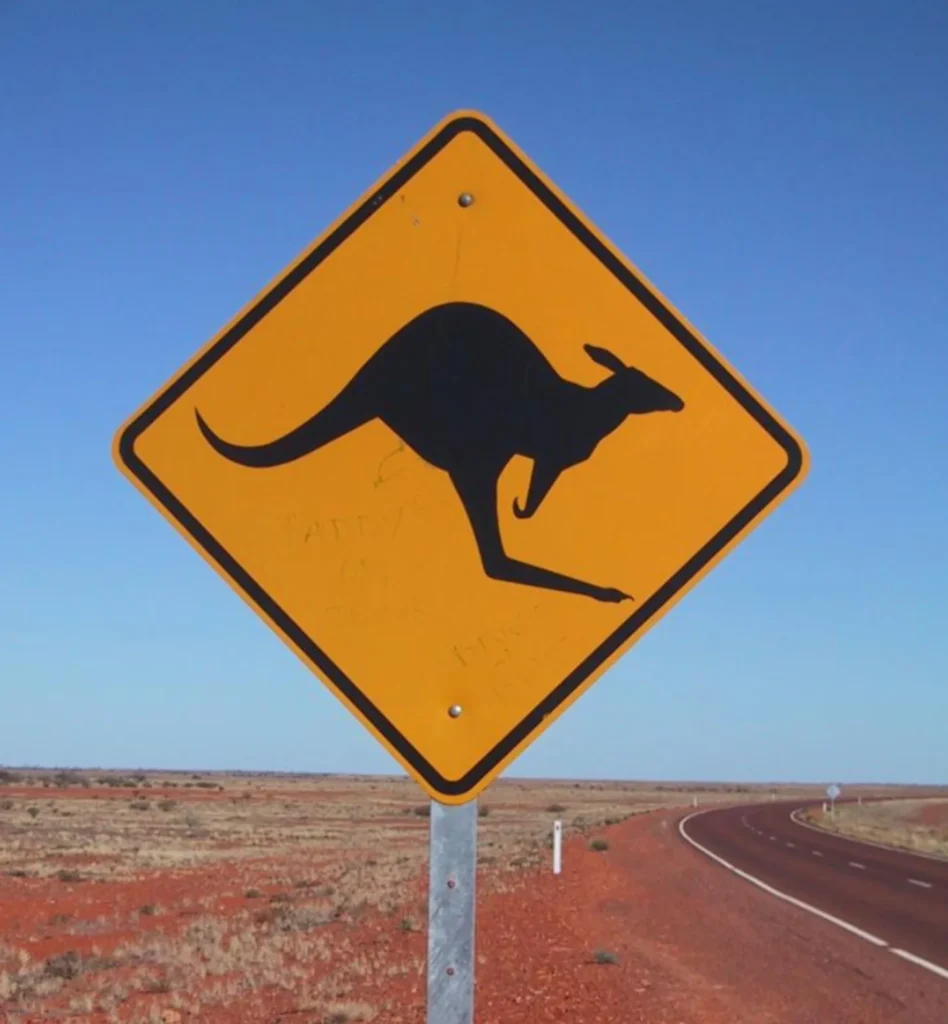
Across Australia, encounters between vehicles and wildlife are a serious concern, and kangaroos are at the center of the problem. According to research from Australian Associated Motor Insurers Limited, kangaroos are involved in around 90% of all wildlife-related vehicle collisions in the country, with wallabies, wombats, and deer making up much of the remaining cases.
One major reason behind this high number is the enormous kangaroo population across Australia. In 2024, government estimates placed the number of wild kangaroos at approximately 35.3 million, meaning there are more than one kangaroo for every Australian resident.
Volkswagen Develops a Wildlife Safety Solution
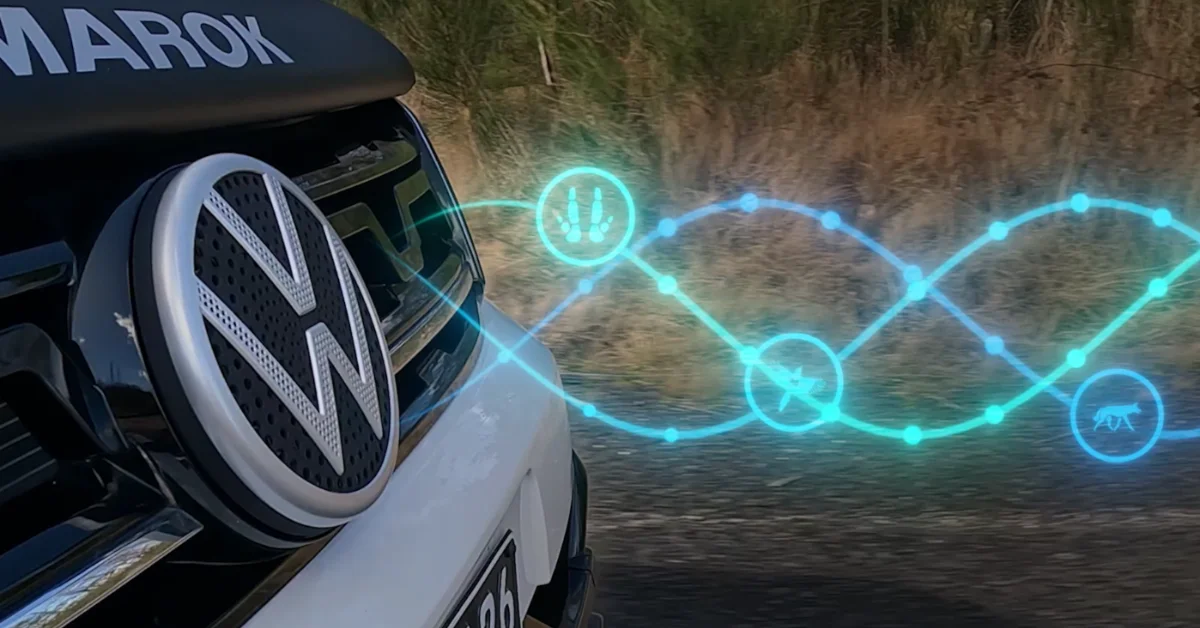
To help reduce dangerous encounters between vehicles and kangaroos, Volkswagen began developing an innovative safety system in 2019 known as RooBadge.
The technology was created with the help of kangaroo behavior experts, including Helena Bender, Ph.D., and University of Melbourne associate professor Graeme Coulson. Their goal was to create a system that could warn nearby kangaroos and encourage them to move away from approaching vehicles.
A Sound-Based System Designed for Kangaroo Behavior
Unlike traditional warning systems, RooBadge uses specially designed high-frequency sounds that are meant to capture the attention of kangaroos without disturbing humans.
The system combines natural sounds that kangaroos recognize — such as bird alarm calls, predator noises, and kangaroo foot thumps — with carefully developed synthetic sounds.
Because Australia is home to several kangaroo species that respond differently to sounds, creating one universal warning signal is extremely challenging.
To solve this problem, RooBadge uses machine learning technology. The system compares a vehicle’s GPS location with kangaroo population data and selects sounds that are most likely to influence the species living in that specific area.
Testing Continues Before Release
Volkswagen has also partnered with the Wildlife Information Rescue and Education Service to improve kangaroo location data and identify areas where collisions happen most often.
The RooBadge system is currently going through additional rounds of testing as researchers work to make sure the technology is reliable before it becomes available to drivers.
“The most important thing is that we would never bring something to market that doesn’t work, especially with something as important as this,” Volkswagen Commercial Vehicles director Nathan Johnson explained.
A Technology That Could Help Wildlife Around the World
Although RooBadge was created specifically for kangaroo safety, Volkswagen believes the technology could eventually help protect many other animals.
Wildlife collisions are a worldwide issue, with deer-related accidents being especially common in Europe and North America. The company hopes the same approach could eventually be adapted to protect other species and reduce animal deaths on roads globally.
Drivers Still Play a Key Role in Protecting Wildlife
While new technology is being developed, experts continue encouraging drivers to stay alert, especially during early mornings and evenings when wildlife is most active.
Road safety specialists advise motorists to watch for wildlife warning signs, reduce speed in areas where animals are common, and avoid swerving if an animal appears on the road.
“If you see an animal while driving, brake but don’t swerve, as this could create a collision with another vehicle,” wildlife safety experts advise.
The Hidden Victims: Orphaned Joeys
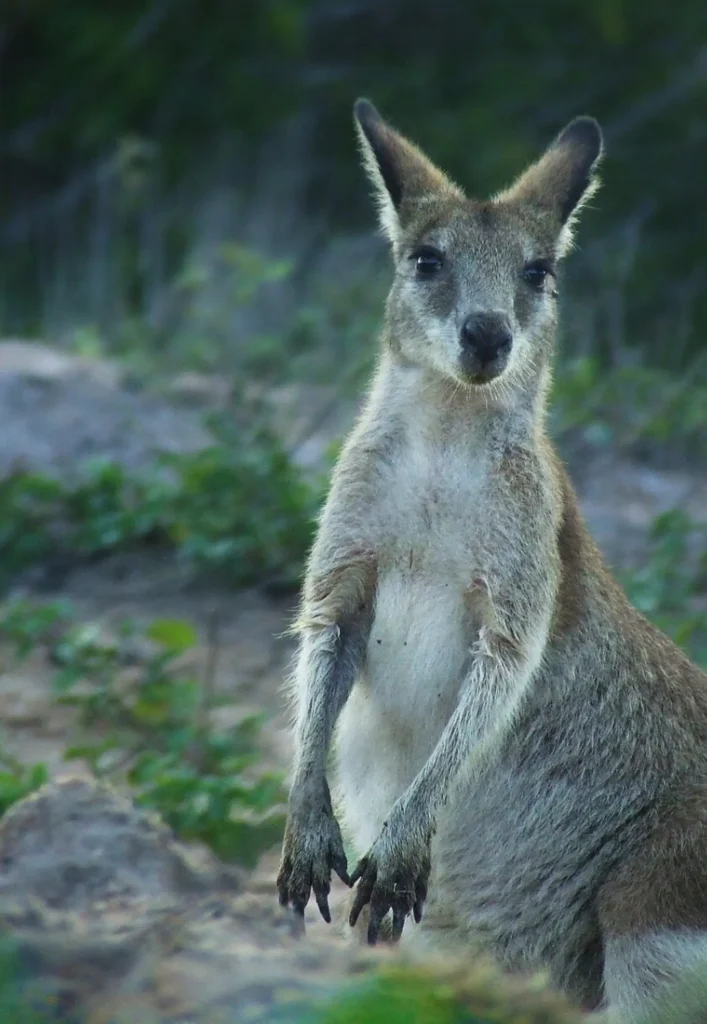
A heartbreaking part of kangaroo road accidents is that some injured or killed kangaroos may be carrying a baby, known as a joey, inside their pouch.
Young joeys often depend on their mothers for six to ten months after birth, depending on the species. When they survive accidents alone, they require specialized care and rehabilitation.
Organizations such as WIRES work with dedicated volunteers who help rescue and raise orphaned joeys.
Giving Orphaned Joeys a Second Chance
Among these rescuers is Diane Kirkland, who has spent years saving injured and abandoned joeys along roads in western New South Wales.
She has cared for countless young kangaroos, helping them grow strong enough to return to a more natural life.
“I love animals, and I think even if one doesn’t survive, at least it didn’t pass away alone on the side of the road,” Kirkland said. “It was cared for and loved.”
After rehabilitation, many of the kangaroos she raises are released onto her property, where they can live freely. Some even return occasionally, resting on the grass and enjoying the safe environment where they were given a second chance.
Protecting Wildlife Through Innovation and Compassion
From advanced vehicle technology to everyday acts of kindness from rescuers, efforts are growing to protect Australia’s iconic kangaroos.
While RooBadge is still being perfected, it represents a hopeful step toward reducing wildlife collisions and creating safer roads for both animals and people.