

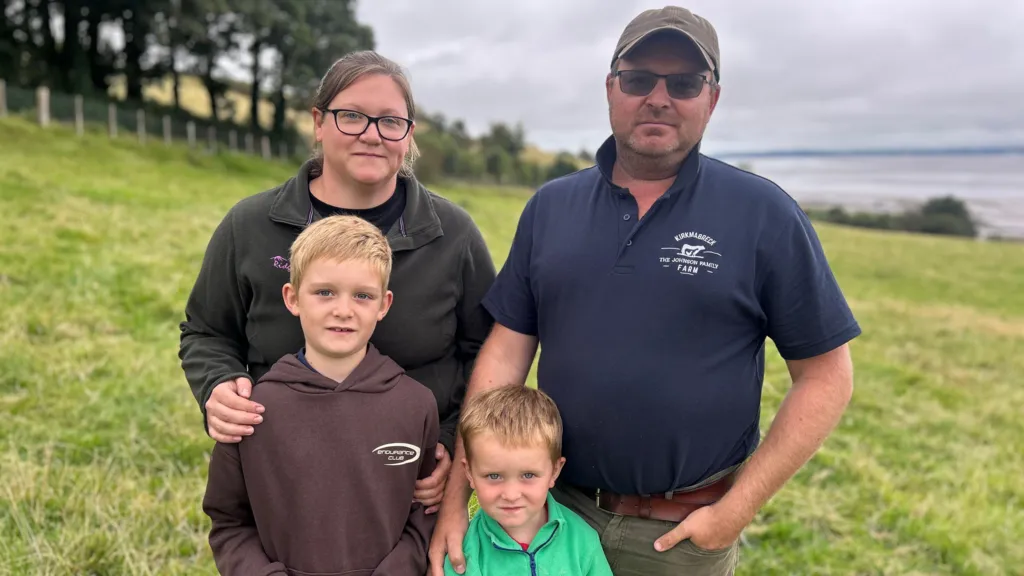
A farmer who moved her family hundreds of miles to begin a new life in south-west Scotland found herself at the center of an unexpected animal health scare just months later.
Earlier this year, Fiona Johnson relocated from a village in Bedfordshire to Creetown with her family, initially bringing no livestock with her.
After gradually purchasing a small number of animals locally, however, her new farm recorded what became Scotland’s first known case of bluetongue.
An Unwell Lamb Raised the Alarm
The infection was discovered in a lamb that was already in poor health.
According to Fiona, the animal did not show all of the symptoms typically associated with bluetongue. It was drooling, struggling to keep food in its mouth and had stiff legs, although it was not noticeably lame.
A veterinarian examined the lamb and carried out testing.
When the bluetongue result came back positive, Fiona said her heart sank.
The lamb had already been euthanised on welfare grounds because of other health problems.
Midges May Have Carried the Virus North
Experts believe infected midges may have been blown across the border from England, where hundreds of bluetongue cases have already been recorded.
For Fiona, the diagnosis felt like an extraordinary piece of bad luck.
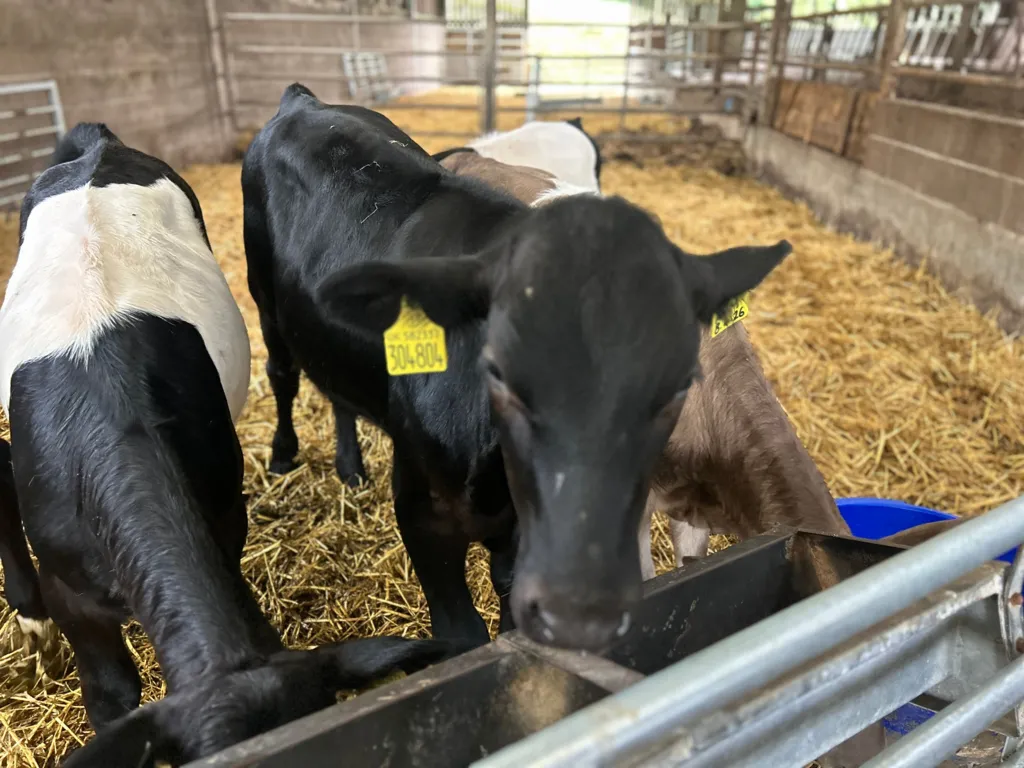
Her other animals — including 27 lambs and five calves — have tested negative so far.
But with several cases now confirmed in Scotland, farmers in the region are increasingly concerned about what could happen next.
Local Farmers Face Bigger Risks
Fiona said one of her biggest worries was the potential impact on neighboring farms.
Her own operation is relatively small, while other farmers nearby manage thousands of sheep.
Although she had done nothing wrong, she said she still felt guilty knowing her farm had become the location of Scotland’s first confirmed case.
The concern is particularly acute because many farmers are preparing to sell breeding animals, meaning any restrictions on livestock movement could cause serious disruption.
What Bluetongue Does to Livestock
Bluetongue serotype 3, known as BTV3, does not affect people and is not considered a food safety risk.
For livestock, however, it can be serious.
The disease can cause high mortality in sheep and may lead to fertility problems in cattle.
Possible symptoms include swelling and redness around the nose and mouth, nasal discharge, lameness, reluctance to stand, reduced milk production and diarrhoea in cattle.
Fiona Had Seen the Disease’s Impact Before
Fiona has spent much of her life around farms and was already familiar with bluetongue.
Her family had never experienced an outbreak directly, but she remembered the financial burden associated with vaccinating entire flocks during previous periods of concern.
More recently, she had been aware that the virus was circulating widely in England.
Even so, vaccination had not seemed urgent when her animals were initially brought to Creetown.
Distance Had Made the Risk Seem Small
Because Fiona’s animals were not intended for breeding and the nearest known cases were still some distance away, she believed the likelihood of infection was relatively low.
Bluetongue remained in the back of her mind, but she assumed geography offered some protection.
The confirmed case showed how unpredictable the disease can be.
More Farms Were Soon Affected
Within a little over a week, four farms in the Creetown area had recorded cases, including Scotland’s first infected cow.
That rapid development increased concern that the virus could spread further through the farming community.
All animals testing positive in Scotland have so far been euthanised.
Fiona hopes those measures will help contain the outbreak.
Vaccine Demand Has Surged
Scotland’s chief veterinary officer, Sheila Voas, has urged farmers to vaccinate sheep and cattle.
But rising demand has created supply pressures.
John Hamilton of Ark Vet Centre in Lockerbie said his practice began one week with 20,000 vaccine doses in stock, only for the supply to disappear within 48 hours.
He said the first Scottish case surprised many farmers, although he believed the arrival of the virus had ultimately been only a matter of time.
Wind Makes the Threat Difficult to Predict
Hamilton said the working theory is that infected midges were carried north by changing wind patterns.
That makes the disease difficult to contain simply by watching outbreaks in neighboring areas.
Instead, he believes farmers need to remain vigilant and make early decisions about protecting their animals.
The experience in Creetown, he said, should serve as an important warning for agriculture across Scotland.
Movement Restrictions Could Hit Farmers Hard
Even farms without infected animals could suffer financially if authorities introduce restrictions on livestock movements.
John Cowan, regional manager for NFU Scotland, warned that preventing farmers from sending lambs or breeding sheep to market could create major financial and welfare problems.
With the situation still developing, he said there remains a real possibility that the virus could spread.
The Emotional Cost Is Significant Too
For Fiona, the outbreak is not only about money.
Like many farmers, she knows her animals individually and understands the emotional impact of losing them.
She said that whether someone owns a handful of animals or thousands of sheep, farmers still monitor their livestock closely and feel the consequences when disease strikes.
For now, the hope is that testing, vaccination and rapid intervention will prevent Scotland’s first bluetongue cases from becoming something much larger.