

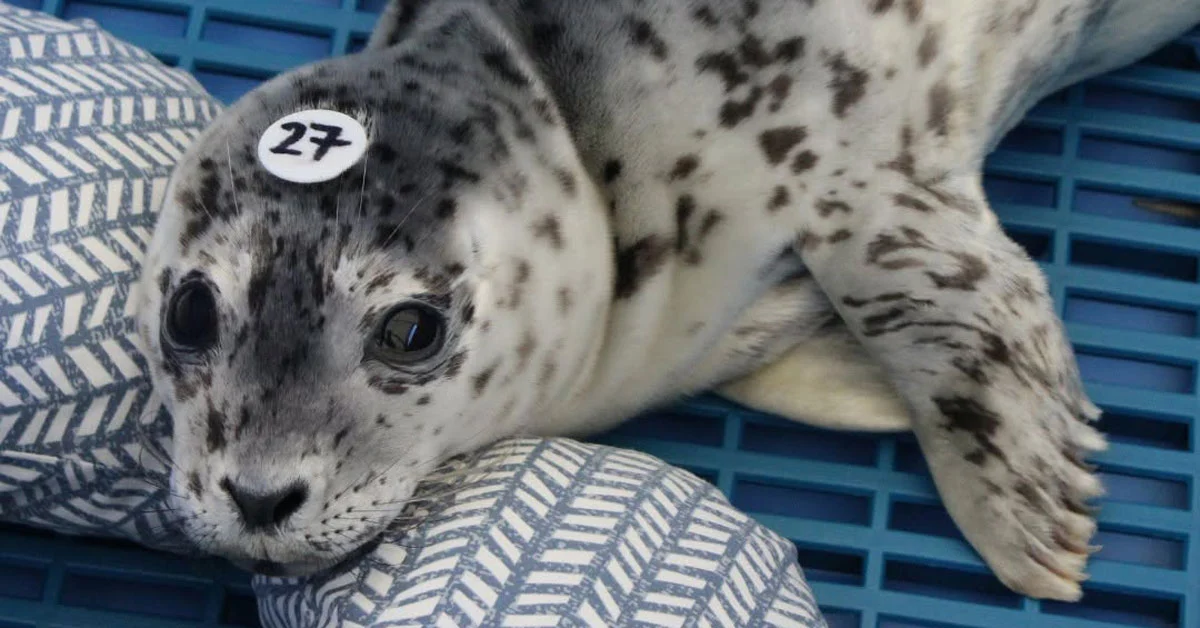
Every year, an average of about 1,000 marine animals are found stranded along Pacific Northwest coastlines, according to Sealife Response, Rehabilitation & Research, known as SR3. The Washington-based rescue organization helps animals such as whales, sea turtles and young harbor seals.
Recently, SR3 introduced its newest group of harbor seal pups online.
According to the organization, the pups currently being cared for at the SR3 Rescue Center were all rescued after being abandoned by their mothers. They were found on busy beaches along Washington’s outer coast, and many appear to have been affected by people getting too close.
Human disturbance can be dangerous for harbor seals. When people approach a mother and pup, the mother may become stressed and leave the area. If she feels the beach is unsafe, she may not return to nurse her baby.
Because many abandoned pups are too young to survive alone, rescue and rehabilitation can be essential.
The first pup of the 2026 season, named Crumpet, arrived in late May. SR3 said he was likely orphaned after people were reportedly seen dragging him toward the water. He is now being treated for malnutrition and pneumonia.
The rescued pups are fed four times each day and spend much of their remaining time resting. To help them feel secure, staff place them beside human nursing pillows.
In wildlife rehabilitation, these U-shaped pillows, along with stuffed toys, heating pads or similar supports, can help mimic the comfort and shape of a mother seal. For vulnerable pups, this can provide both physical support and emotional comfort while they recover.
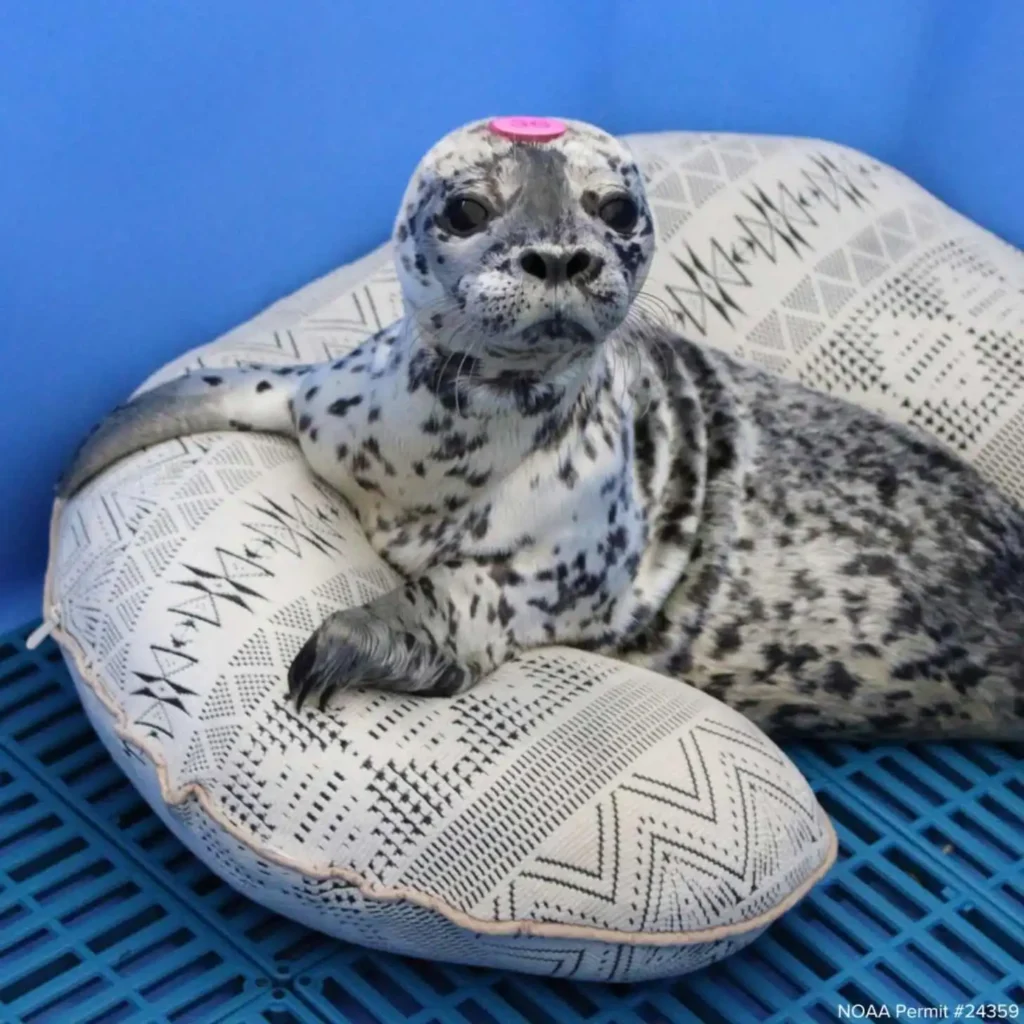
The pillows also help the pups conserve energy. Young seals need a lot of strength to grow and regulate their body temperature, so having a soft place to rest their heads outside the water can make recovery easier.
Some of the pups currently at SR3 are also dealing with respiratory illnesses such as pneumonia or bronchitis. To treat them, staff use nebulizer treatments twice a day. The pups breathe in antibiotics and other medications that help reduce fluid and inflammation in their lungs.
SR3 cares for many types of marine animals native to the Pacific Northwest, but this time of year is especially busy because it is “pupping season.” During this period, rescuers watch for harbor seal and sea lion pups that may have been abandoned or need medical help.
The organization continues to remind the public to keep at least 100 yards away from marine mammals resting on beaches. While SR3 can help pups in serious cases, the best outcome is always for mothers and babies to remain together in the wild.
In 2025, SR3 admitted 56 patients to its rescue facility. One of those success stories was Ramen, a newborn harbor seal who was underweight and abandoned soon after birth. After months of intensive care and a high-fat diet, Ramen grew stronger and was released back into the ocean three months later.
Stories like Crumpet’s and Ramen’s show how careful rescue work, medical treatment and public awareness can give vulnerable marine mammals a second chance.