

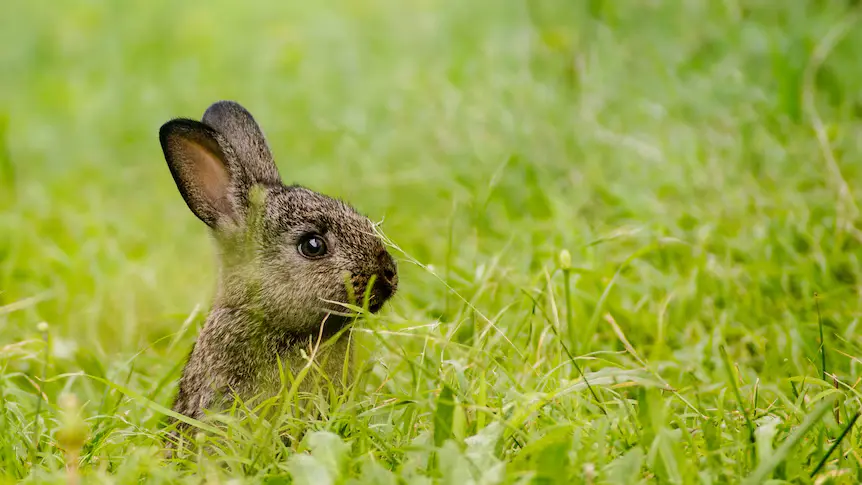
Australia is currently experiencing a surge in feral rabbit numbers, with around 200 million rabbits across the country. This increase is mainly due to several years of ideal breeding conditions.
Naturally, this raises an important question: Are the viruses used to control rabbits still working?
🧬 How Rabbits Took Over
Rabbits were introduced to Australia in 1788, but their population exploded after 24 wild rabbits were released in 1859. Within years, they spread rapidly and caused serious environmental damage.
Rabbits reproduce extremely quickly — sometimes every 28 days — making them very hard to control.
🦠 Biocontrol: The Main Weapon
To fight the rabbit problem, scientists introduced diseases:
Myxoma Virus (1950s)
- Spread by mosquitoes
- Killed hundreds of millions of rabbits
- Became less effective as rabbits developed resistance
Calicivirus (1990s)
- Kills rabbits quickly
- Spreads through insects
- Works best in dry areas
- Also losing effectiveness due to immunity
⚠️ Why Rabbits Are Increasing Again
Over time:
- Rabbits evolved resistance
- Viruses became less deadly
- Some rabbits gained natural immunity
As a result, rabbit populations are rising again, especially in cities where poisons can’t be used safely.
🔬 What Scientists Are Working On
Experts say new solutions are needed every 10–15 years.
Current ideas include:
- 🧪 New rabbit-specific viruses
- 🧬 Gene drives to reduce fertility
- Could make females infertile
- Or produce mostly male offspring
These methods must be safe for other animals and carefully tested before use.
🐾 No Perfect Solution
Biocontrol helps reduce rabbit numbers — but it can’t eliminate them completely.
To manage rabbits effectively, it must be combined with:
- Destroying burrows
- Removing food sources
- Managing surviving populations
As experts say, it’s not a “silver bullet.”
🌍 Why It Matters
Feral rabbits damage ecosystems by:
- Eating native plants
- Competing with wildlife
- Causing soil erosion
Controlling their population is essential to protect Australia’s environment.ra