

Fencing Gives Wildlife a Second Chance
On Australia’s Kangaroo Island, cat-proof fencing is delivering unexpected conservation success, allowing native wildlife to rebound dramatically after devastating bushfires.
A Landscape Left Vulnerable
In 2020, massive wildfires tore through much of Kangaroo Island’s scrubland. Conservationists quickly realized the aftermath posed a serious threat: native animals left exposed in burned habitats would become easy prey for feral cats.
Within a week of the fires subsiding, teams from the Australian Wildlife Conservancy (AWC) began surveying the damaged areas to determine whether protective fencing could be installed.
A Small Marsupial in Big Trouble
Early fieldwork revealed just how severe the problem had become. Feral cats were taking a heavy toll on the Kangaroo Island dunnart, a tiny, mouse-sized marsupial with no natural defenses against predators.
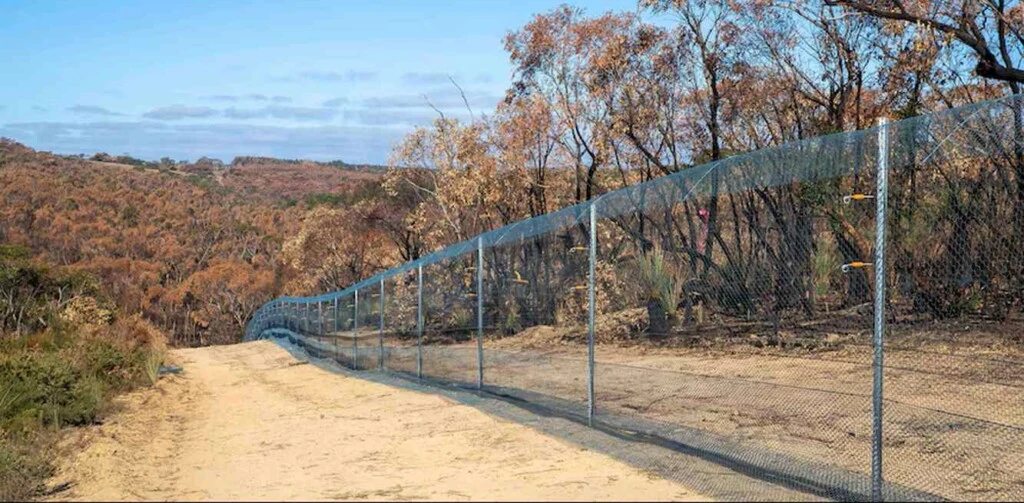
To combat this, conservationists constructed a feral-cat exclusion fence around the Western River Refuge—and the results were immediate and astonishing.
Population Explosion Surprises Experts
Since the fence went up, dunnart numbers have surged by 90 to 100 percent, a recovery that stunned both AWC scientists and the island’s traditional Ngarrindjeri custodians, who lead cultural tours in the region.
“The dunnart has done far better than many of us expected,” said AWC principal ecologist Pat Hodgens, noting that even he would not have predicted such a recovery six years ago.
Birds Return Where Cats Once Ruled
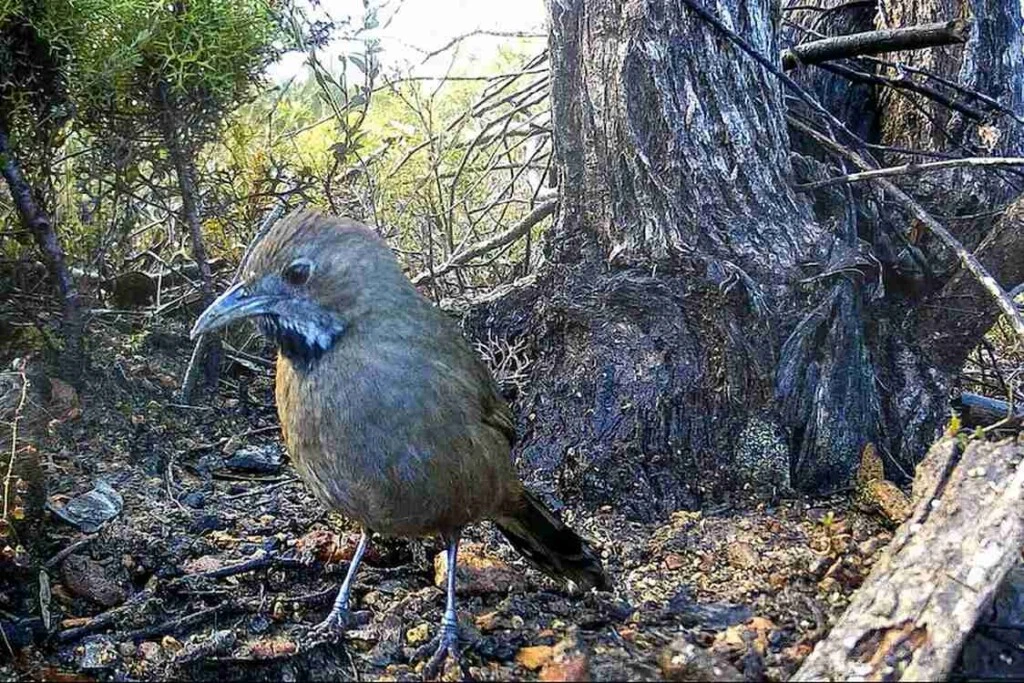
Another surprise followed: the return of native bird species previously absent from the area.
“We had no western whipbirds or Bassian thrushes inside the fence when it was first built,” Hodgens explained. “These birds are heavily preyed upon by feral cats, but they’ve now found their way back.”
A Bigger Conservation Picture
Australia has historically suffered some of the highest extinction rates of native species worldwide, particularly on isolated islands vulnerable to invasive predators. However, recent conservation efforts have significantly slowed those losses.
Kangaroo Island now serves as a powerful example of how targeted actions—such as controlling invasive species and establishing protected refuges—can reverse declines that once seemed inevitable.
Proof That Action Works
The recovery of dunnarts and native birds behind Kangaroo Island’s new fencing shows that even modest, focused interventions can produce outsized benefits.
By removing invasive threats and giving ecosystems space to recover, conservationists are proving that biodiversity loss is not irreversible—and that with the right tools, nature can rebound faster than anyone expected.