

Some of England’s rarest plants and animals are set to benefit from a major new conservation project in the Avon Gorge.
Nearly £300,000 has been secured to restore habitats and support threatened species over the next two and a half years.
The work will focus on nine priority species, including plants and invertebrates found in very few places.
Why the Avon Gorge Is So Important
The Avon Gorge is home to an unusual mix of wildlife.
Its steep slopes, limestone-rich soils and slightly warmer climate create conditions that allow rare species to survive.
Some of these species are found nowhere else in the UK.
Home to Extremely Rare Plants
The gorge is the only place in the country where Bristol rock-cress grows naturally.
It is also the only known wild home of the Bristol onion in the UK.
Another important species is White’s whitebeam.
Around 33 of the estimated 76 remaining trees in the world can be found in the Avon Gorge.
A Safe Haven for Rare Insects
The area is also important for invertebrates.
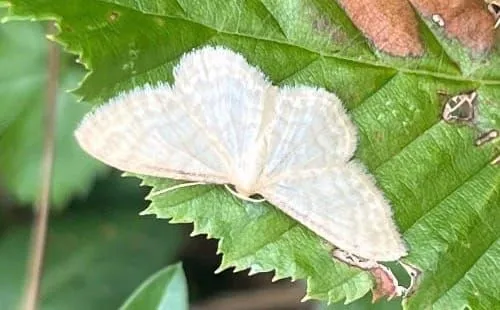
It is the only known location in England for the silky wave moth.
Protecting the habitats these species depend on will be a major part of the new project.
Habitats Will Be Restored
Conservation teams will carry out a wide range of work across the gorge.
This will include:
- Removing invasive plants
- Restoring damaged habitats
- Collecting seeds
- Growing rare plants for future conservation
- Creating new areas of suitable habitat
- Strengthening small wildlife populations
- Testing new conservation methods
The aim is to give threatened species more space to grow and reproduce.
Protecting Species for the Long Term
Small populations can be particularly vulnerable to habitat loss and environmental change.
Creating larger and better-connected habitats can improve their chances of surviving in the future.
The project will also help conservationists learn which techniques work best for some of the country’s rarest species.
Freshwater Crayfish Are Getting Help Too
Conservation work is also expanding beyond the Avon Gorge.
A wider national programme is working to protect the white-clawed crayfish, the UK’s only native freshwater crayfish.
Populations have fallen dramatically in recent decades.
Why White-Clawed Crayfish Are Struggling
Several threats have contributed to their decline.
These include:
- Habitat loss
- Water pollution
- Invasive crayfish
- Crayfish plague
- Changes to freshwater environments
In some areas, populations have fallen by as much as 80%.
Restoring Rivers and Streams
Conservationists are working to strengthen remaining crayfish populations and improve the waterways they depend on.
Restoring healthy freshwater habitats can also benefit many other species.
That means protecting one threatened animal can help improve an entire ecosystem.
A Better Future for Rare Wildlife
From rare flowers growing on limestone cliffs to endangered crayfish living beneath the water, these projects are helping protect some of England’s most vulnerable wildlife.
With habitat restoration and careful long-term management, species with very small populations could have a much better chance of recovery.