
He had nowhere to turn 💔
One October afternoon in Mount Vernon, a neighborhood in South Africa, residents were startled by loud screeching outside a local snack shop. Two troops of vervet monkeys had gotten into a fierce clash, turning the normally quiet street into a scene of chaos.
Eventually, the monkeys scattered — but in the confusion, something tragic became clear. A tiny baby vervet had been left behind.
A Cry for Help
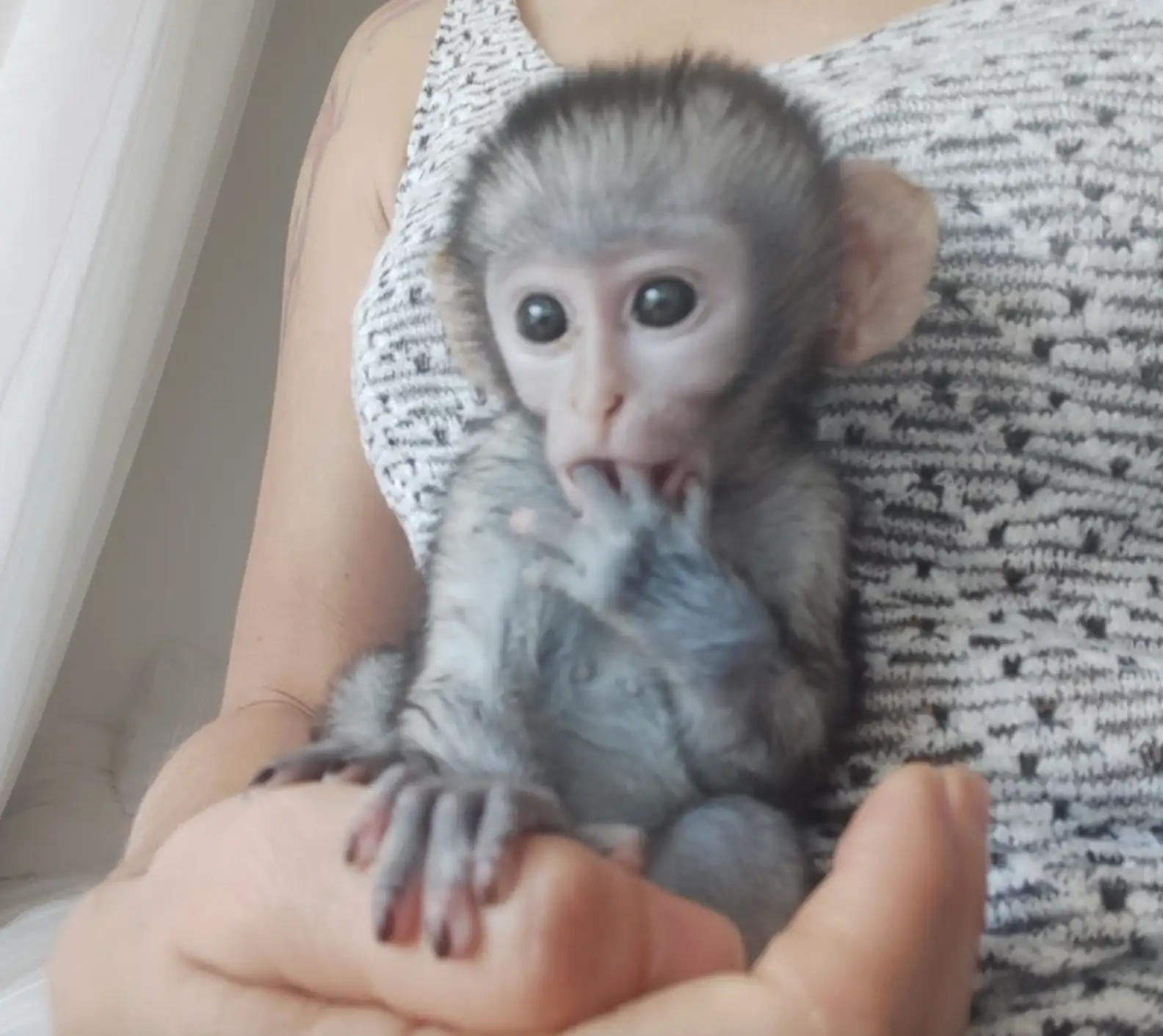
Alone and frightened, the infant monkey cried beside a streetlight, with no sign of his family returning. Watching him tremble, local residents were heartbroken and quickly contacted wildlife authorities for help.
Officers from Reaction Unit South Africa arrived soon after and carefully approached the baby, who immediately clung to one of the rescuers for comfort and safety.
Why the Baby Held On So Tightly
The image looked tender — a tiny monkey hugging his rescuer — but experts explain that the behavior wasn’t exactly affection.
“Young vervets instinctively cling because it’s how they survive,” said Lindy Elmes of Wildlife Rescue. “In the wild, they hold onto their mothers constantly during their first months. It’s not about love — it’s about safety and self-soothing.”
For primates, clinging is a built-in survival response when they feel threatened.
Finding the Right Care
Rescuers soon contacted Monkey Helpline, which arranged for an experienced volunteer named Chrissy to foster the baby temporarily.
However, experts knew that human care could only be a short-term solution. To prevent the monkey from imprinting on people and losing natural behaviors, they needed to place him with other vervets as soon as possible.
A New Life Among His Own Kind
Elmes coordinated the baby’s transfer to Vervet Valley, a sanctuary dedicated to rehabilitating monkeys. There, he now lives with other rescued vervets, learning how to climb, socialize, and survive in the wild.
With time, he’ll be prepared for release back into his natural habitat — where he truly belongs.
A Gentle Reminder for Humans
Elmes hopes the story inspires people to act responsibly when they encounter wildlife in distress.
“Good intentions aren’t always enough,” she said. “Handling wild animals — especially primates — can sometimes do more harm than good. The best thing we can do is support ethical rehabilitation centers and respect wildlife in our shared spaces.”
Thanks to quick action and the right care, one tiny monkey’s frightening day turned into a second chance at life. 🐒💚