
In a series of playful “tea party” experiments, scientists found evidence that apes can engage in pretend scenarios. As a result, the study challenges long-standing beliefs that imagination belongs exclusively to humans.
A First-of-Its-Kind Study
Researchers at Johns Hopkins University conducted the study, calling it the first to scientifically demonstrate pretend play in a non-human animal.
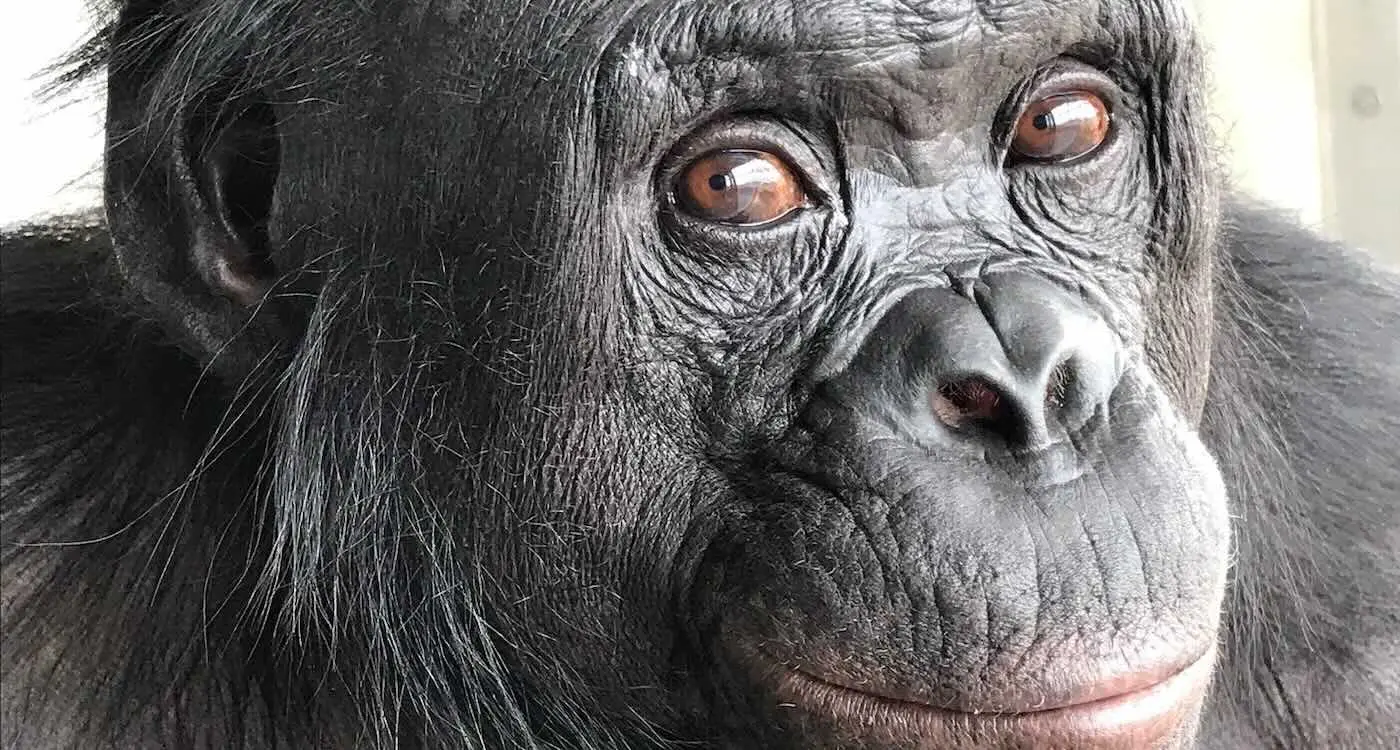
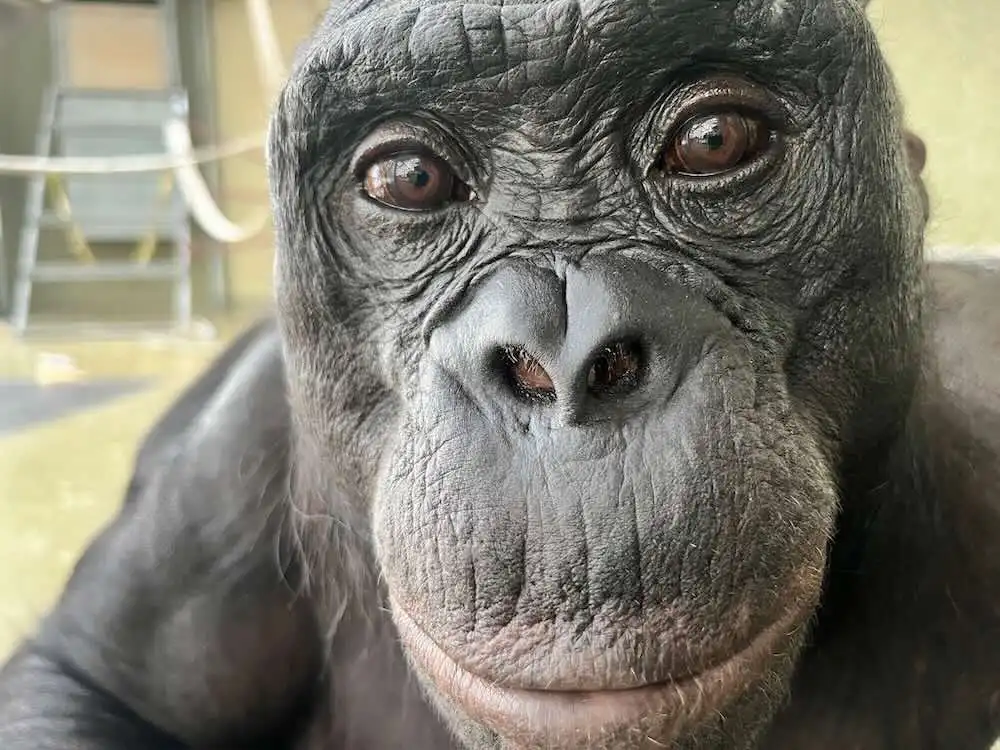
During the experiments, a bonobo consistently interacted with imaginary juice and pretend grapes. Across multiple tests, the ape responded accurately and reliably, showing clear signs of imaginative thinking.
Because of this, scientists now believe that the ability to understand pretend objects may exist beyond our own species.
Rethinking Animal Minds
The findings, published this week in a scientific journal, suggest that pretend play falls within the cognitive abilities of at least one highly socialized ape. Furthermore, researchers believe this capacity may trace back six to nine million years to a shared evolutionary ancestor.
According to the study’s authors, this discovery changes how scientists understand animal intelligence.
Imagination has long played a central role in defining what it means to be human. However, this research suggests that imagination may not be exclusive to our species after all.
Lessons From Human Children
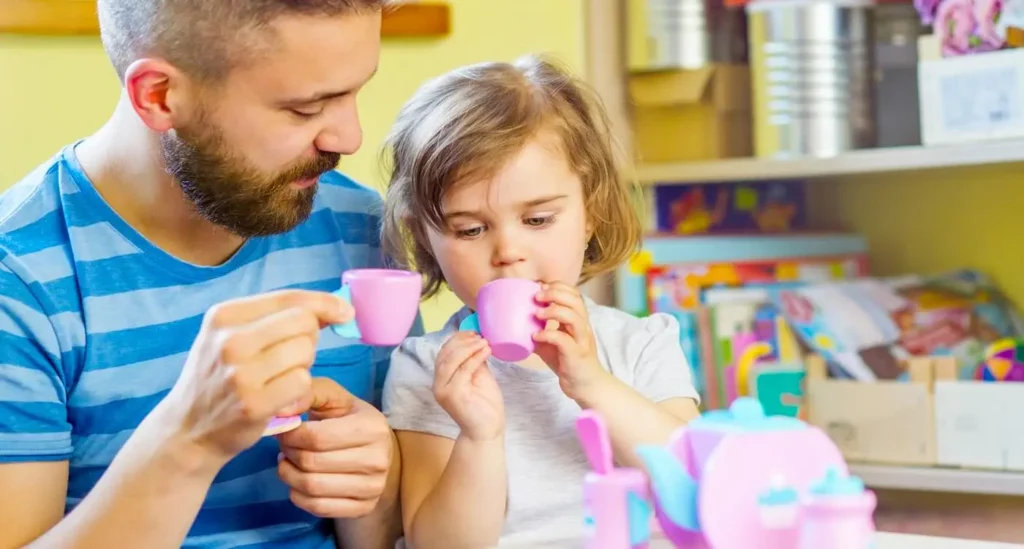
To put the findings in context, researchers pointed out that human children begin pretending at a very young age.
By age two, children often engage in pretend activities such as tea parties. Even earlier, infants show surprise when adults pretend to drink from empty cups. In a similar way, the bonobo demonstrated an understanding of actions involving objects that were not physically present.
Why Scientists Took a Closer Look
Until now, scientists had not formally studied pretend behavior in animals. Nevertheless, reports from both the wild and captivity have hinted at similar behaviors.
For example, young chimpanzees have been seen carrying sticks as if they were babies. In another case, a captive chimp appeared to drag imaginary blocks after previously playing with real ones.
Because of these observations, researchers wondered whether they could test pretend behavior under controlled conditions.
A Tea Party With a Bonobo
To explore this idea, the research team designed experiments similar to children’s tea parties.
They worked with Kanzi, a 43-year-old bonobo living at a research and conservation center in Iowa. Kanzi already had a reputation for responding to spoken prompts and showing signs of pretend play.
During each experiment, a researcher and Kanzi sat across from one another at a table.
In the first task, the researcher pretended to pour juice into two empty cups. After pretending to dump the juice out of one cup, the researcher asked Kanzi where the juice was.
Kanzi consistently pointed to the correct cup — even when the researchers moved it.
Testing Real vs. Pretend
To rule out the possibility that Kanzi believed real juice was hidden in the cup, researchers added a new twist.
They placed a cup of real juice next to the cup of pretend juice. When asked what he wanted, Kanzi almost always chose the real juice.
This result showed that he understood the difference between real and imaginary objects.
Repeating the Test With Food
In a third experiment, researchers repeated the process using grapes.
After pretending to move a grape between containers, the researcher asked Kanzi where the grape was. Once again, Kanzi correctly identified the location of the pretend object.
Although he didn’t respond perfectly every time, his accuracy remained consistent across trials.
A Shift in How We See Animals
Researchers say the results are striking. The data suggest that apes can mentally represent things that do not physically exist while also understanding that those things are not real.
This ability reflects a level of cognitive complexity once thought to belong only to humans.
What Comes Next
Now, scientists want to expand their research. In the future, they plan to test whether other apes — and possibly other animals — can engage in pretend play.
Additionally, they hope to explore other aspects of imagination, such as whether apes can think about the future or consider what others might be thinking.
Why It Matters
Imagination gives humans a rich inner life. If apes share even some of its roots, researchers argue that people should rethink how they view animals.
Rather than seeing them as creatures trapped in the present, these findings suggest animals may possess deeper, more complex mental worlds.
Ultimately, the study invites a broader sense of responsibility — encouraging humans to care for and protect beings with minds that may be far richer than previously believed.