

She was recently considered extinct 😱
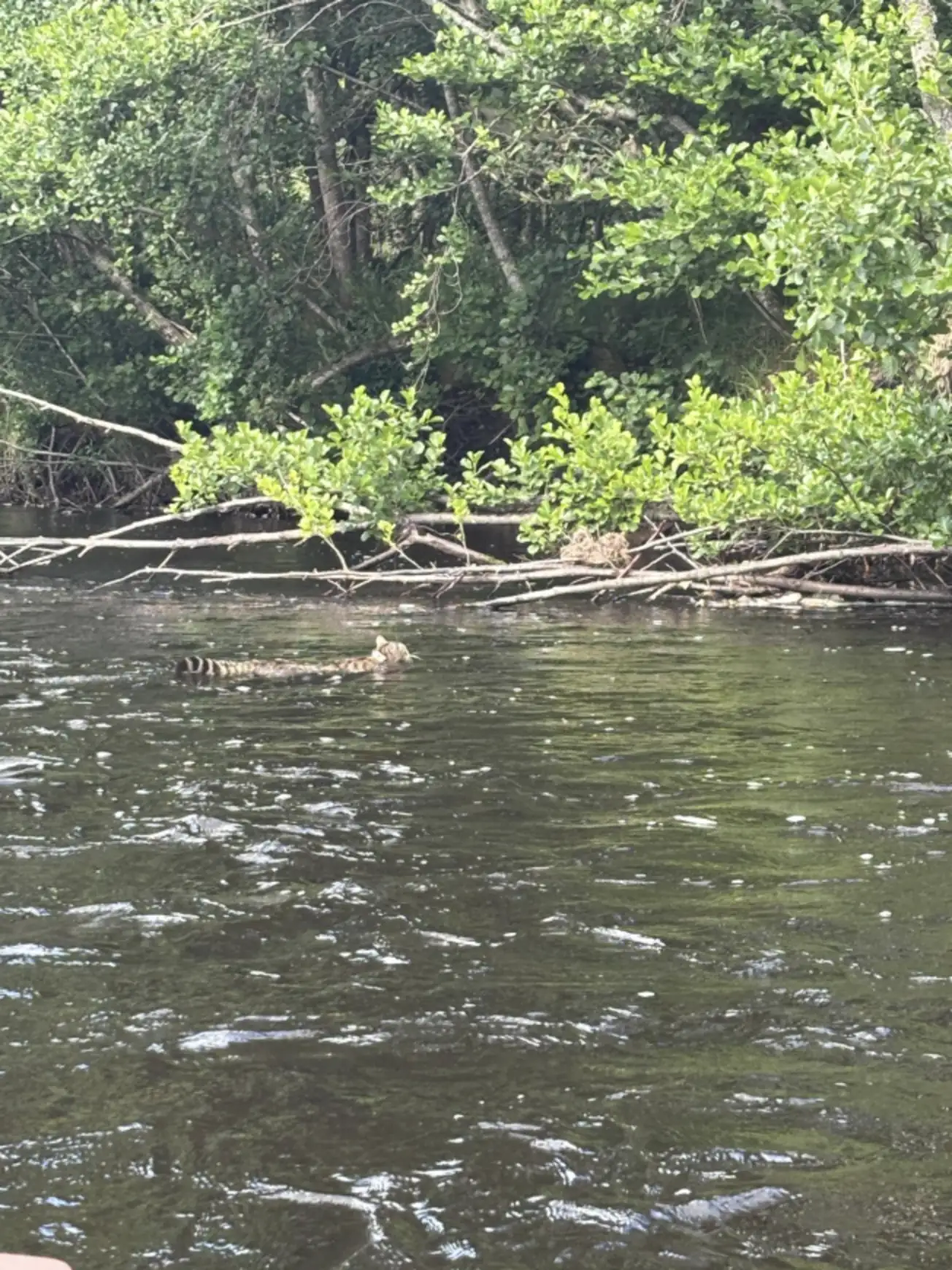
A peaceful canoe trip in Scotland turned into an unforgettable wildlife encounter when a group of friends noticed a small, furry animal swimming across the river.
At first, Craig, one of the people in the group, thought the animal looked surprisingly similar to a house cat. It had pointed ears, a thick coat and a fluffy tail. But seeing a domestic cat confidently swimming through a river seemed unlikely.
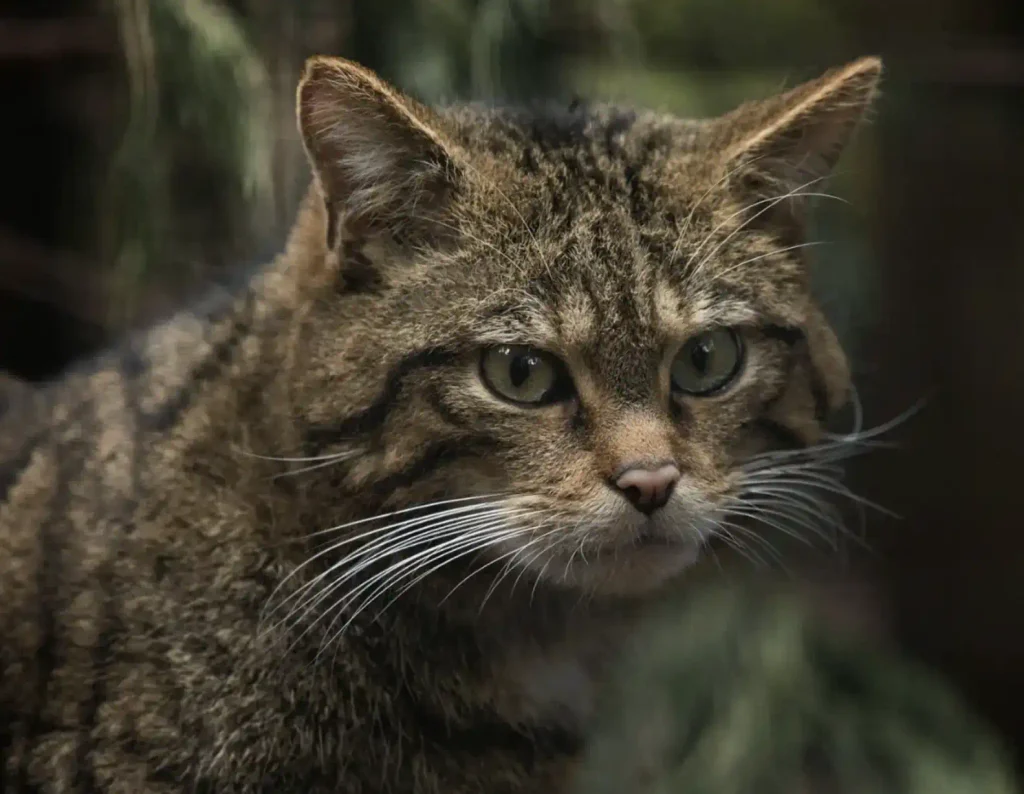
Then the group noticed the collar around its neck.
That detail revealed what they were actually looking at: a Scottish wildcat.
Scottish wildcats are part of the European wildcat family and are sometimes nicknamed “Highland tigers.” Although they once lived throughout much of Britain, their numbers declined dramatically over time because of habitat destruction, persecution, expanding human development and changes in agriculture.
Today, seeing one in the wild is exceptionally rare.
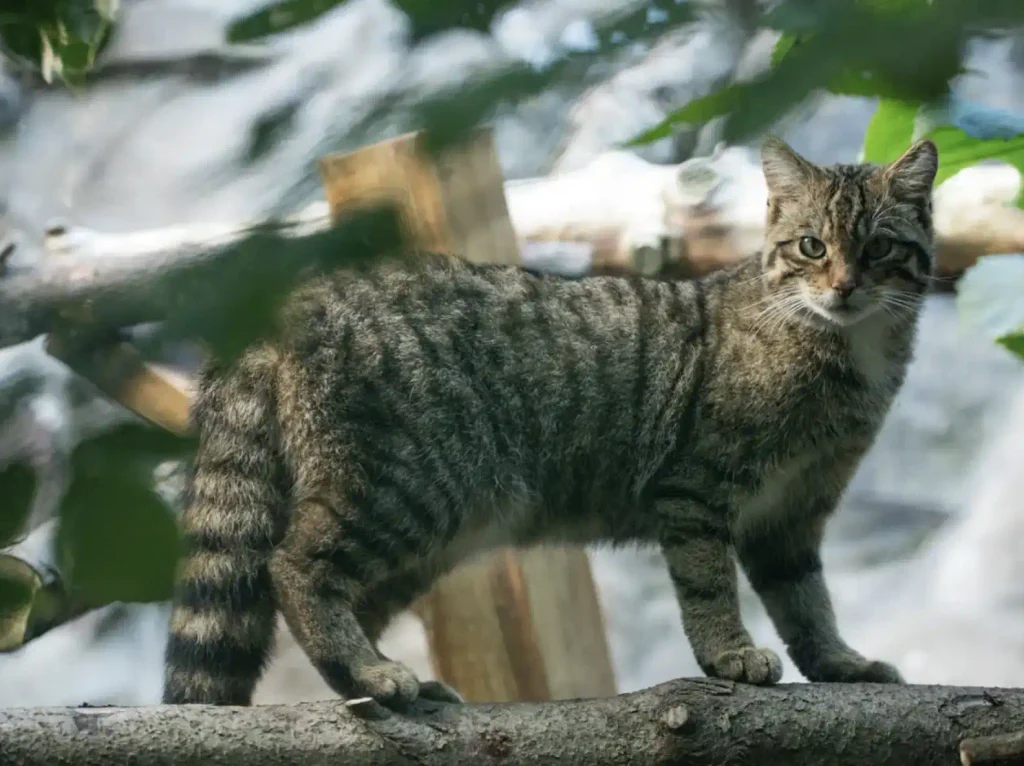
The animals can easily be mistaken for domestic cats, but there are several features that help distinguish them. Scottish wildcats tend to have particular coat markings and thick, relatively short tails marked with dark rings and a black tip.
The wildcat Craig encountered was also wearing a GPS collar, which provided another important clue about her identity.
The collar had been fitted by Saving Wildcats, a conservation program working to restore the species in Scotland. Through a breeding and release initiative, the project has returned dozens of wildcats to suitable habitat in recent years.
Researchers use GPS tracking to learn how the released cats move through the landscape, where they travel and how successfully they adapt after returning to the wild.
Tracking data had previously suggested that some of the cats were crossing rivers. Until Craig’s encounter, however, researchers had not actually seen one swimming.
That made his video especially valuable.
The footage showed the wildcat moving confidently through the water as she made her way toward the opposite bank. Rather than appearing frightened or confused, she seemed completely comfortable with the route.
Her movements even suggested that this might not have been her first time crossing the river.
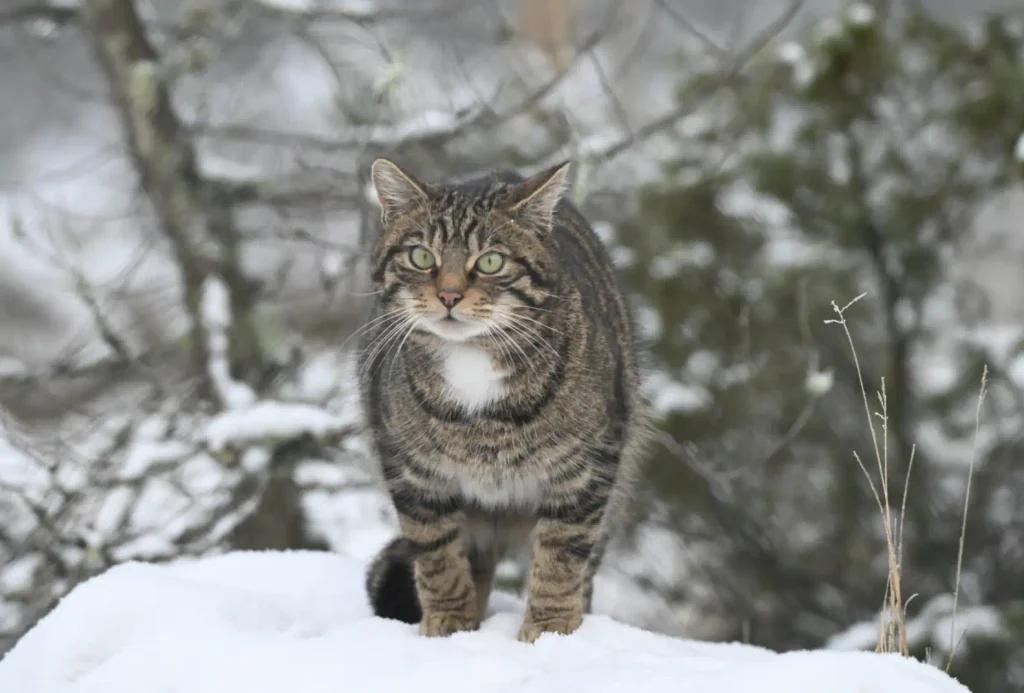
Observers were impressed by how efficiently she handled the current. After reaching land, another surprising detail became obvious: her large, bushy tail appeared to be almost completely dry.
The unusual sighting offered researchers direct confirmation of a behavior they had previously been able to infer only from tracking information.
More importantly, encounters like this suggest that released wildcats are successfully exploring and adapting to the Scottish landscape.
For conservationists, every sign that the animals are moving naturally through their habitat is encouraging. After years of decline, the return of Scottish wildcats depends on released animals being able to survive independently, establish territories and eventually contribute to a growing population.
Craig and his friends may have simply been enjoying a day on the river, but their unexpected encounter captured something much bigger: a rare glimpse of one of Scotland’s most iconic wild animals reclaiming the landscape it once called home.